

i INP-WEALTHPK
Middle East tensions could affect Pakistan’s oil imports, remittances from 4.5–5m expat workersتازترین
March 10, 2026
By Farooq Awan
Escalating tensions in the Middle East and Persian Gulf could pose potential risks for Pakistan’s external sector by affecting energy imports, remittance inflows and trade, according to the Monthly Development Update released by the Ministry of Planning, Development and Special Initiatives.
The report notes that recent instability in the region has increased volatility in global energy and financial markets, which may have implications for countries that rely heavily on energy imports from the Middle East.
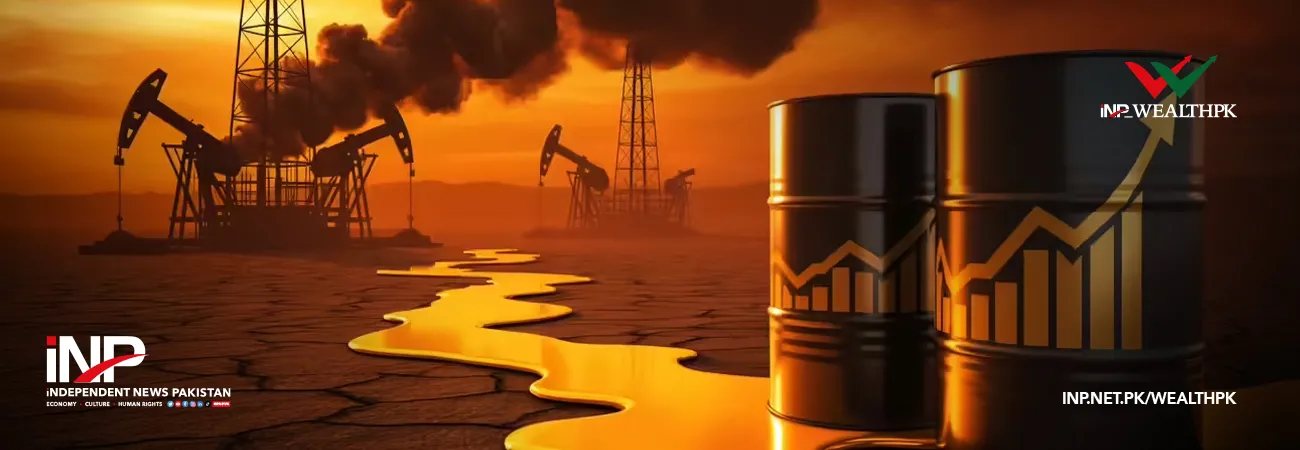
According to the report, petroleum products account for nearly one-quarter of Pakistan’s total imports. More than 85 percent of these petroleum imports originate from the Middle East.
The report highlights that disruptions around the Strait of Hormuz — a strategic maritime route through which around 20 percent of global oil supplies pass — could lead to rising oil prices and increase Pakistan’s import bill.
Higher global energy prices could also influence domestic inflation levels. The report states that increased production and freight costs linked to higher fuel prices may affect export competitiveness and domestic price levels.
In addition to energy imports, the report notes that Pakistan’s exports to the Middle East may also face pressure if regional instability affects economic activity in the region. According to the report, about 11 percent of Pakistan’s total exports are directed to Middle Eastern markets.
The Planning Ministry’s update also highlights the importance of remittances from Pakistani workers living in Gulf countries. The report states that approximately 4.5 to 5 million Pakistanis work in Gulf states, and remittances from these countries account for more than half of Pakistan’s total remittance inflows.
A prolonged conflict in the region could disrupt remittance inflows from these workers, according to the report. The Monthly Development Update notes that instability in the Middle East may also influence exchange rate stability, investment flows and fiscal conditions in Pakistan.
According to the report, developments in global energy markets and geopolitical conditions remain important external factors that could affect Pakistan’s economic outlook. The report highlights that the evolving situation in the Middle East underscores the need to monitor external risks that may influence Pakistan’s trade, remittances and energy import dynamics.

Credit: INP-WealthPk
متعلقہ خبریں