

i NEWS PAK-CHINA
China-Pakistan cooperation expands into green urban innovationتازترین
March 04, 2026
China-Pakistan technological cooperation is expanding beyond energy and infrastructure into sustainable urban development, as Islamabad authorities initiated discussions with Chinese investors on electric vehicle charging networks and advanced construction technologies aimed at transforming the federal capital into a model green city.
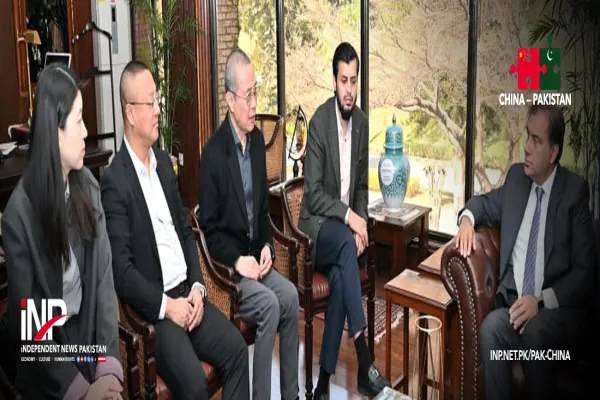
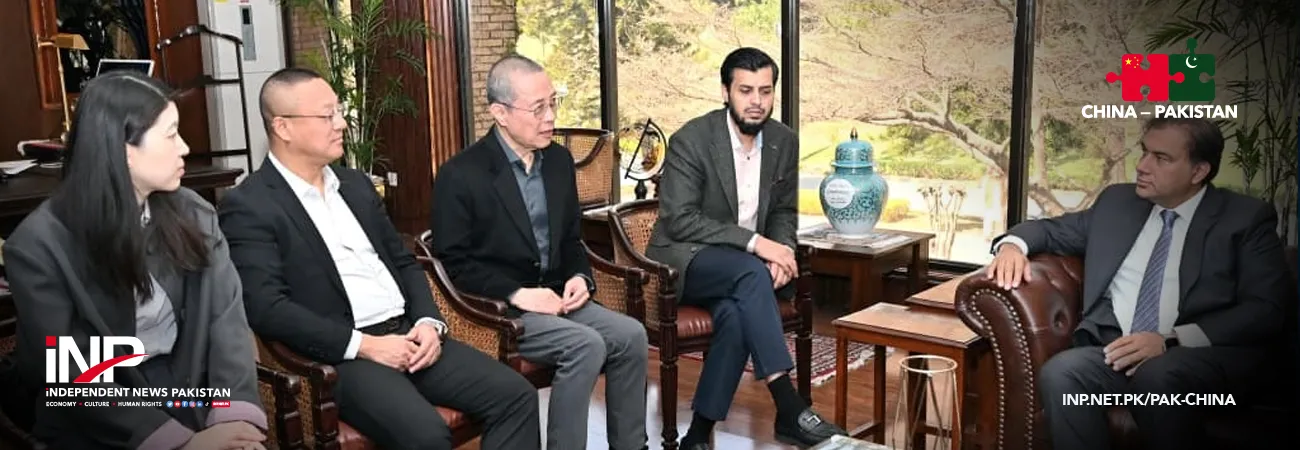
The Capital Development Authority (CDA) hosted a high-level meeting with a Chinese investor delegation to explore collaboration on electric mobility infrastructure, innovative housing solutions, and environmentally sustainable urban technologies, reflecting Pakistan’s growing alignment with China’s green development expertise, Gwadar Pro reported. At the center of discussions was the development of a citywide electric vehicle (EV) charging ecosystem designed to support Islamabad’s transition toward cleaner transportation.
Officials highlighted newly introduced regulatory frameworks intended to accelerate private investment while ensuring long-term operational viability. Randhawa said that Islamabad offers significant investment potential for Chinese companies specializing in EV infrastructure, noting that the CDA has already established regulatory guidelines and enforcement mechanisms to facilitate deployment.
The initiative aligns with Pakistan’s broader climate commitments and reflects increasing adoption of Chinese clean-mobility technologies worldwide. Dr Khalid Hafiz explained that updated building regulations now require commercial developments to allocate at least three percent of their space for EV charging facilities, integrating electric mobility planning directly into urban design standards.
Additionally, charging infrastructure will become mandatory across nearly all 138 fuel stations in the capital, with existing stations required to install at least one charging point and new stations obligated to establish two.
According to Gwadar Pro, the Authorities also outlined plans to develop dedicated EV charging hubs at strategic locations throughout Islamabad, aiming to reduce range anxiety and encourage public adoption of electric transport solutions.
The Chinese delegation expressed strong interest in participating in Pakistan’s emerging EV market and presented technological solutions covering charging systems and smart infrastructure integration. Discussions emphasized potential collaboration models that combine investment with technology transfer and local capacity development.
Beyond mobility, talks expanded into innovative housing technologies, particularly 3D-printed construction methods that promise faster, more cost-efficient, and environmentally sustainable housing delivery. Chinese representatives briefed officials on global applications of the technology, highlighting reduced construction waste, lower costs, and accelerated project timelines.
Chairman Randhawa emphasized that future urban expansion must incorporate modern construction solutions capable of addressing housing demand while minimizing environmental impact. Technology transfer and local skill development were identified as key objectives of potential cooperation.
The meeting also reviewed proposals to introduce electric bikes and scooters as part of an integrated urban mobility strategy. Officials discussed complementary environment-friendly initiatives, including progress toward electric tram systems designed to reduce congestion and emissions in the rapidly expanding capital.
Credit: Independent News Pakistan (INP) — Pak-China
متعلقہ خبریں