

i NEWS PAK-CHINA
Experts urge policy certainty to attract Chinese solar manufacturingتازترین
March 04, 2026
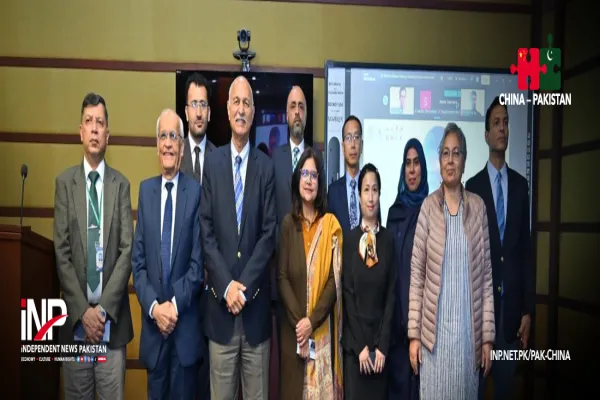
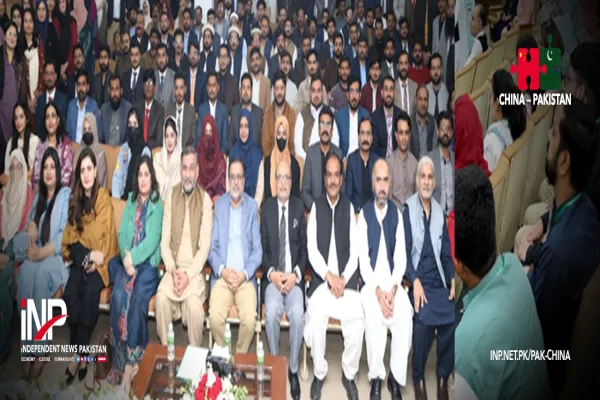
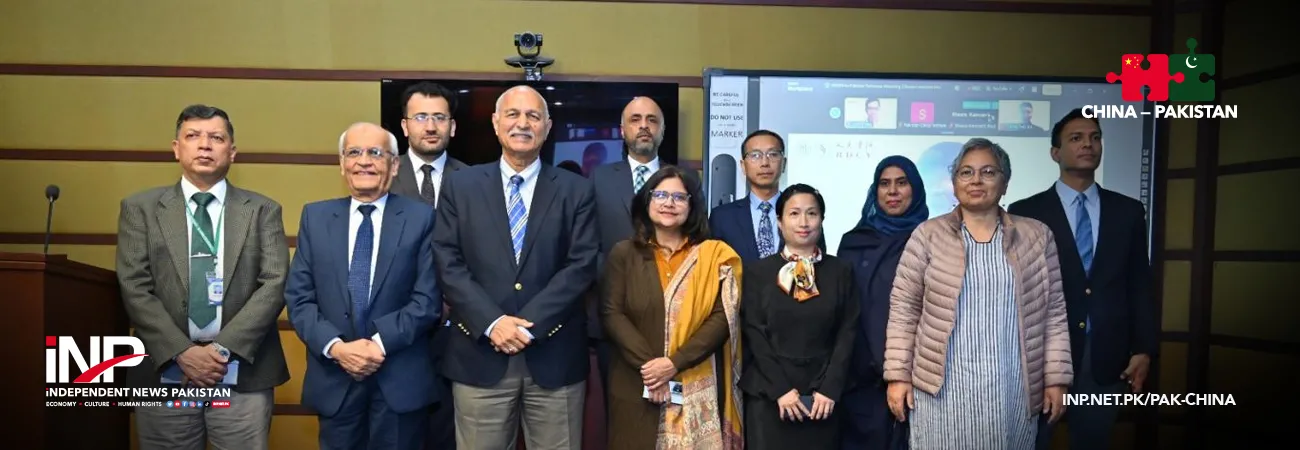
Experts speaking at a regional conference in Islamabad, organized by the Pakistan-China Institute (PCI), stressed that Pakistan needs a credible policy framework and reliable execution capacity to draw Chinese investment into solar photovoltaic (PV) manufacturing.
The conference, titled “ASEAN-to-Pakistan Pathways: Attracting Chinese Investment for Solar PV Value-Chain Manufacturing” held under the Green CPEC Alliance, brought together policymakers, investors and regional specialists to examine how Pakistan can replicate ASEAN’s success in drawing Chinese solar manufacturers, according to a Gwadar Pro's report.
Speakers noted that while Pakistan has emerged as a major importer of Chinese solar panels bringing in more than 50 GW cumulatively by September 2025 its next challenge is to localize parts of the value chain.
Solar accounted for about 25 percent of Pakistan’s utility electricity in early 2025, reflecting rapid adoption driven by falling global module prices.
However, participants stressed that continued reliance on imports has significant foreign exchange implications, with solar-related imports exceeding $2 billion by mid-2025.
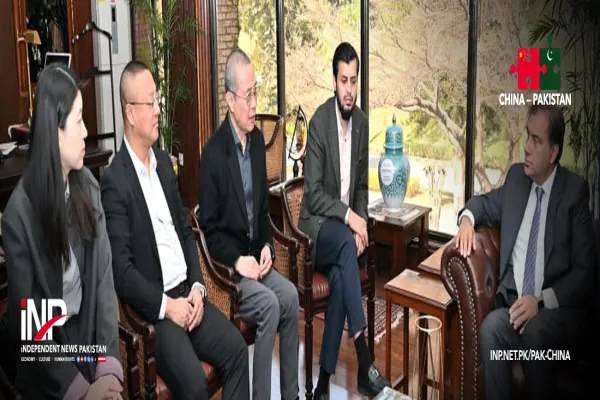
Senator Mushahid Hussain Sayed highlighted China’s dominance in global solar manufacturing and described the current period of low module prices as a strategic window for Pakistan to move toward domestic production.
Minister of State for Climate Change Dr. Shezra Mansab Ali Kharal underscored that Pakistan’s solar boom is largely import-driven and argued that manufacturing is now an economic necessity rather than an option.
International experts from institutions including the Griffith Asia Institute, Institute for Essential Services Reform, and Ember shared lessons from ASEAN economies, where policy stability, trade access, logistics readiness and enforceable investor protections helped attract Chinese solar firms.
They stressed that announcements alone are insufficient; investors require clarity on incentives, special economic zone readiness, approvals, infrastructure delivery and risk mitigation.
Participants concluded that Pakistan must adopt a phased industrial strategy starting with module assembly and balance-of-system components before moving into higher-value segments such as cells and wafers while ensuring predictable policies and timely on-ground implementation.
متعلقہ خبریں