

i NEWS PAKISTAN
Sindh accelerates digital governance as CM Shah oversees expansion of e-stamping systemتازترین
March 18, 2026
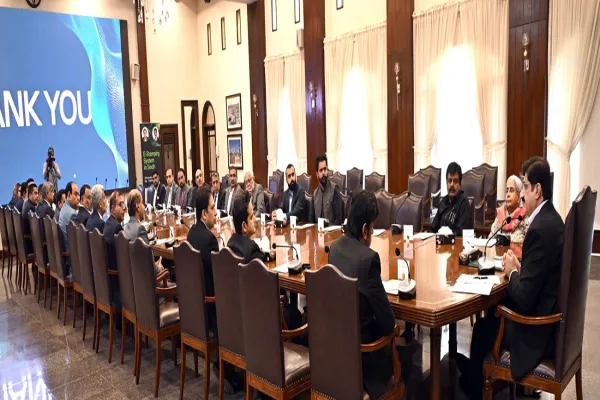
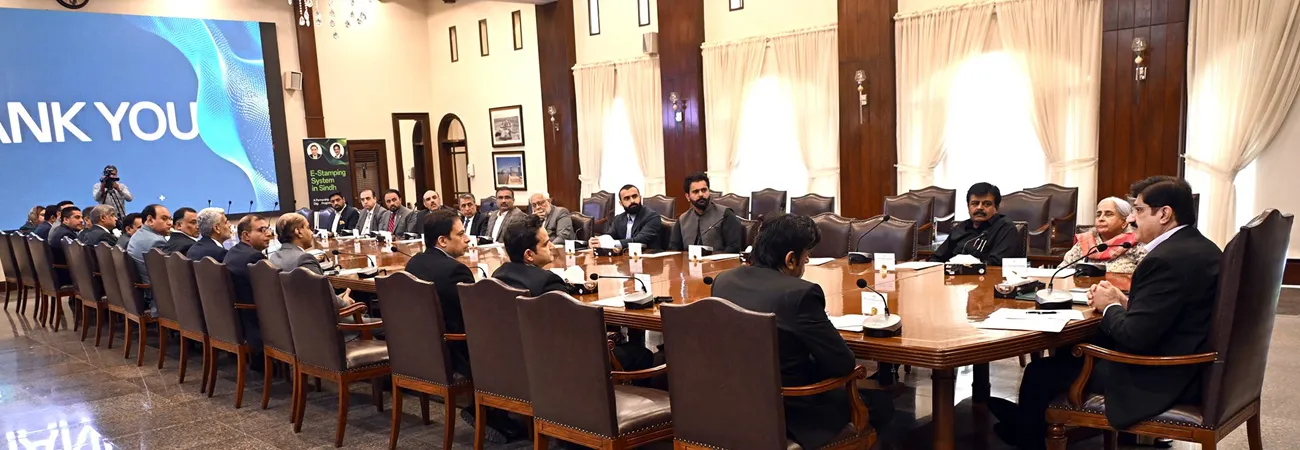
Sindh Chief Minister Syed Murad Ali Shah launched an expanded push for digital governance in the province, describing technology-driven reforms as central to building a transparent, efficient and citizen-centric government, as he presided over the signing ceremony for the e-Stamping system.The ceremony held at CM House was attended by Provincial Ministers Dr Azra Fazal Pechuho and Syed Sardar Shah, SACM Ali Rashid.
Spokespersons Nadir Gabol and Buland Junejo, Chief Secretary Asif Hyder Shah, Chairman P&D Najam Shah, and Senior Member Board of Revenue Khalid Hyder Shah, Secretary Finance Fayaz Jatoi, Secretary to CM Asif Jameel, Secretary U&B Abbas Balcoh, Secretary IT Zulfiqar Nizamani, Dr Sarosh Lodhi, President Sindh Bank Anwar Shaikh and Deputy CEO Asad Shah, along with senior officials.
The ceremony marked the signing of a Master Service Level Agreement and Service Order between the Board of Revenue Sindh and the Sindh Information Technology Company (SITC) for the continued rollout and expansion of the e-Stamping platform – an initiative aimed at digitising government documentation, eliminating fake stamp papers and simplifying services for citizens.Addressing the gathering, the chief minister said the reform was part of a broader strategy to modernise governance in Sindh through digital systems that enhance transparency, efficiency and ease of access for the public.
“In just five months since SITC took over the system, more than 730,000 challans have been processed and Rs12.8 billion collected through the e-Stamping platform transparently and efficiently,” he said.Murad Ali Shah said the significance of the reform went beyond revenue generation, noting that the system was helping eliminate long-standing irregularities in documentation.
“The e-Stamping system is helping eliminate the mafia of fake stamp papers, end the practice of backdated documentation and free citizens from standing in long queues outside government offices,” he said.The CM said that the next phase of the initiative would introduce a fully paperless system, enabling citizens to generate stamp documents online directly from their laptops or mobile devices.
“This reform is not simply a technological upgrade – it is about restoring trust between the government and the people of Sindh,” the chief minister said. Murad Ali Shah noted that Sindh, being Pakistan’s most urbanised and economically dynamic province, required modern governance tools to effectively manage its large population and economic activity.
He said the provincial government had established SITC to serve as the institutional driver of digital transformation across departments. He commended the leadership and technical team of SITC for rapidly implementing key reforms and urged provincial ministers and administrative secretaries to actively collaborate with the organisation to modernise their departmental systems.
Credit: Independent News Pakistan (INP)
متعلقہ خبریں