INP-WealthPk

LNG imports fall 14% while refined petroleum imports rise 9% in December
January 27, 2026
Qudsia Bano
Pakistan’s energy import profile showed contrasting movements in December 2025, with imports of petroleum gas, including liquefied natural gas (LNG), declining while refined petroleum imports increased during the month, according to the Monthly Trade Report released by the Trade Development Authority of Pakistan (TDAP).
TDAP’s product-wise import data indicates that imports of petroleum gas, including LNG, declined by 14 percent year-on-year in December, compared with the same month of the previous year. Petroleum gas and LNG constitute a significant component of Pakistan’s energy import basket, and the reduction in import value was recorded in the official monthly trade statistics compiled by TDAP.
In contrast, the report shows an increase in imports of refined petroleum products during the same period. According to TDAP figures, imports of refined petroleum products rose by 9 percent year-on-year in December, reflecting higher import values compared to December 2024. Refined petroleum products remained among the key energy-related imports during the month.
The TDAP report presents these figures in its detailed product-wise import tables, which outline monthly values, year-on-year changes, and comparisons with previous periods. The December data highlights differing trends within Pakistan’s energy import categories, as recorded in the official statistics.
Overall, Pakistan’s total imports stood at $6.022 billion in December, according to TDAP data. While the overall import bill declined slightly on a month-on-month basis compared to November 2025, year-on-year changes within specific categories, including energy products, influenced the composition of imports during the month.
Cumulative figures for the first half of FY26 (July–December) show that Pakistan’s total imports reached $34.394 billion, representing an 11 percent increase compared with the same period of the previous fiscal year. Energy-related imports continued to account for a substantial portion of this cumulative import bill, as reflected in the report’s breakdown of major import items.
The TDAP document lists petroleum gas, LNG, refined petroleum, crude oil, and other fuel-related products among Pakistan’s key energy imports. The December figures show that while imports of petroleum gas declined, refined petroleum imports moved in the opposite direction, resulting in changes within the overall energy import mix for the month.
The Monthly Trade Report provides comprehensive coverage of Pakistan’s import performance, including detailed tables for energy products. These tables present factual data on import values and growth rates without interpretation, allowing for comparison across months and fiscal periods.
According to the report, the December movements in energy imports occurred alongside continued imports of other fuel products. The official statistics show that energy items remained a major contributor to Pakistan’s import bill during the month, even as individual categories recorded varying trends.
The TDAP report further outlines that changes in energy imports during December formed part of broader import patterns observed during the ongoing fiscal year. The document-based data highlights month-specific variations within Pakistan’s energy import profile, as recorded in the official trade statistics.
The December 2025 data and the cumulative figures for July–December FY26 included in the Monthly Trade Report provide a detailed snapshot of Pakistan’s energy imports, showing how different fuel categories performed during the period under review. The figures reflect officially compiled trade data released by TDAP, presenting a factual account of Pakistan’s energy import movements during December.
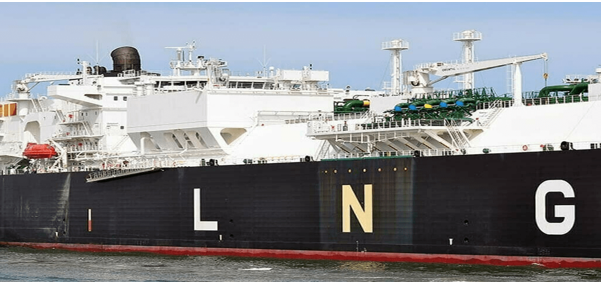
Credit: INP-WealthPk
Related Articles