INP-WealthPk
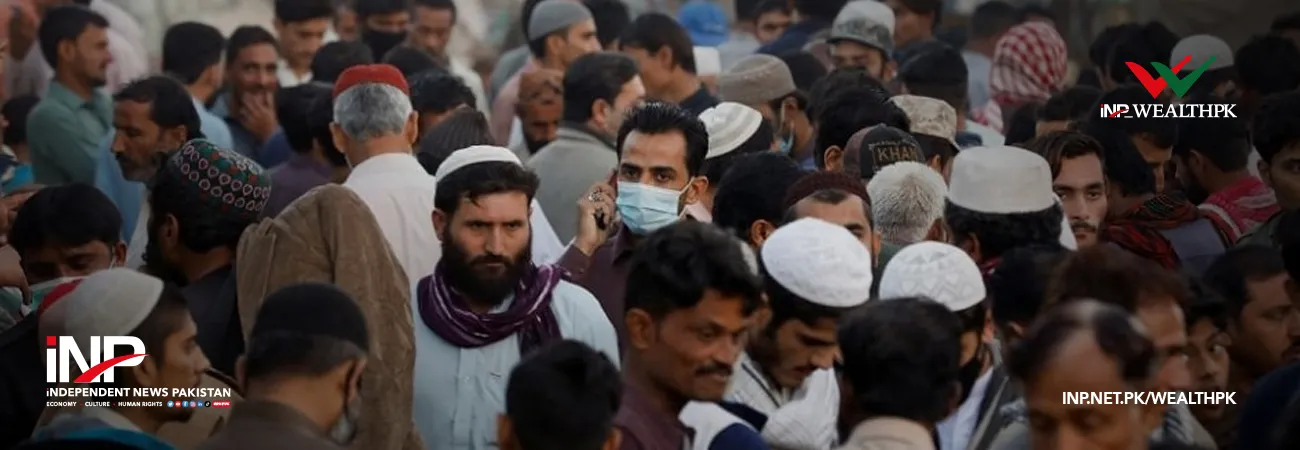
Nearly two-thirds of Pakistanis under 30, youth population nears 67 million
June 15, 2026
By Azam Tariq
Around 66% of Pakistan's population is below the age of 30, while the country's youth population aged 15-29 has reached nearly 67 million, presenting both a major development opportunity and a significant challenge for policymakers, according to the Pakistan Economic Survey 2025-26.
The survey shows that Pakistan has a distinctly youthful demographic profile, with people under 30 accounting for 66.03% of the total population. Among them, 66.96 million people fall within the 15-29 age bracket, representing 26.56% of the population.
The demographic profile places Pakistan in an important position as a large youth population can support economic growth by providing a steady supply of workers, entrepreneurs and consumers.
According to the survey, Pakistan's estimated population stood at 252.09 million in 2025, with a population growth rate of 2.07%.
The report notes that the growing youth population represents a potential demographic dividend if accompanied by adequate investment in education, healthcare, skills development and employment generation.
The survey highlights that labour market pressures continue to increase as large numbers of young people enter working age every year. Expanding employment opportunities remains critical to fully utilizing the country's human resource potential.
According to the latest Labour Force Survey 2024-25, Pakistan's employed labour force stood at 77.2 million, while the labour force participation rate reached 46.3%. The government continues to promote vocational training, technical education and digital skills programmes to improve employability among young people.
The report points to the growing role of the digital economy in creating opportunities for youth. ICT export remittances increased by 19.7% to $3.38 billion during July-March FY2026, while freelancing and online work continued gaining momentum.
Programmes such as DigiSkills have also supported digital skills development. According to the survey, DigiSkills.pk conducted more than 5.14 million trainings during July-March FY2026.
The survey also notes that education remains a key factor in transforming the country's youthful population into an economic asset. Pakistan's literacy rate improved from 61% in 2022-23 to 63% in 2024-25, while efforts continued to reduce the number of out-of-school children and improve access to education.
At the same time, rapid population growth continues to place pressure on schools, universities, healthcare facilities, housing and other public services.
According to the survey, sustained economic growth will be essential to absorb the expanding workforce. Pakistan's economy grew by 3.70% during FY2026, supported by positive contributions from agriculture, industry and services.
The report emphasizes that youth represent an important source of innovation, entrepreneurship and productivity. Their participation in emerging sectors such as information technology, e-commerce, digital services and modern agriculture could play a significant role in shaping future economic growth.
The survey highlights that demographic trends will continue influencing policy planning in areas ranging from education and employment to urban development and social protection.
With 66.96 million people aged 15 to 29 and 66.03% of the population under 30, Pakistan's youthful demographic profile creates significant opportunities for economic and social development in the decades ahead.

Credit: INP-WealthPk
Related Articles