


INP-WealthPk

Policy rate eased to 10.5% during 2025 amid declining inflation
May 11, 2026
By Ayesha Saba
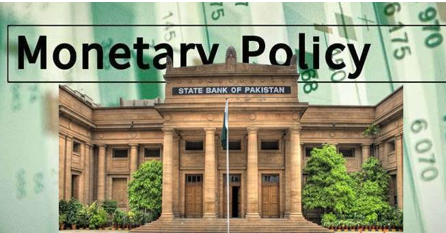
The State Bank of Pakistan reduced its policy rate to 10.5% during 2025 as inflationary pressures eased, according to the Financial Stability Review 2025 released by the State Bank of Pakistan (SBP).
The report states that the easing cycle followed a sustained decline in inflation, which returned to within the central bank’s target range, creating space for a gradual shift in monetary policy stance. This adjustment came after a prolonged period of tight monetary policy aimed at controlling inflation and stabilizing the economy, reflecting a transition toward greater support for economic recovery while maintaining price stability.
The SBP noted that the reduction in the policy rate was part of a carefully calibrated approach, taking into account both domestic and external economic conditions. The cumulative decline in interest rates, including earlier cuts, contributed to easing financial conditions across the economy. This helped reduce borrowing costs for businesses and households, thereby supporting both investment and consumption activity.
The report highlights that improved macroeconomic indicators, including stable exchange rate conditions, strengthening foreign exchange reserves, and a contained current account deficit, played an important role in enabling the policy shift. Fiscal consolidation also complemented monetary easing by reducing demand-side pressures and reinforcing macroeconomic stability.
Lower policy rates are expected to improve credit flows, particularly to the private sector, which had faced constraints during the period of higher interest rates. The easing of financial conditions is also likely to support key sectors of the economy, including manufacturing and services, by lowering financing costs and encouraging expansion.
At the same time, the SBP emphasized that the policy easing was undertaken with caution to avoid reigniting inflationary pressures. The central bank continued to monitor inflation expectations, global commodity prices, and external risks to ensure that the monetary policy stance remains consistent with its objective of maintaining price stability.
The report also notes that the transmission of policy rate changes to the broader financial system is expected to gradually improve, supporting lending activity and strengthening economic momentum. A more accommodative monetary environment, combined with improved confidence, is likely to contribute to a sustained economic recovery.
However, the SBP cautioned that external uncertainties, including geopolitical tensions and volatility in global financial markets, could pose risks to the inflation outlook and may require adjustments in policy if conditions change. Maintaining a balance between supporting growth and preserving price stability remains central to the monetary policy framework.
Credit: INP-WealthPk
Related Articles