


INP-WealthPk
Power generation jumps to five-month high in May as hydel, coal and renewables rebound
July 02, 2026
By Moaaz Manzoor
Pakistan's electricity generation climbed to its highest level in five months in May 2026, driven by a sharp recovery in hydel power, increased coal and RLNG generation, and continued growth in wind and solar output, according to data released by the State Bank of Pakistan (SBP).
The SBP data show total electricity generation from all sources rose to 12,638.13 gigawatt-hours (GWh) in May from 9,498.86 GWh in April, an increase of more than 33%. It was also the highest monthly generation recorded since December 2025, when total output stood at 8,487.04 GWh.
Hydel power recorded the strongest recovery among major generation sources, increasing to 4,204.99 GWh in May from 2,078.94 GWh in April, accounting for a substantial share of the overall rise in electricity production. Coal-fired generation also increased to 3,185.50 GWh from 2,825.28 GWh during the same period.
Generation from regasified liquefied natural gas (RLNG) rebounded sharply to 1,492.99 GWh in May compared with 380.21 GWh in April, reversing the declining trend seen in previous months. Electricity generated from natural gas also edged up to 1,049.60 GWh from 968.12 GWh.
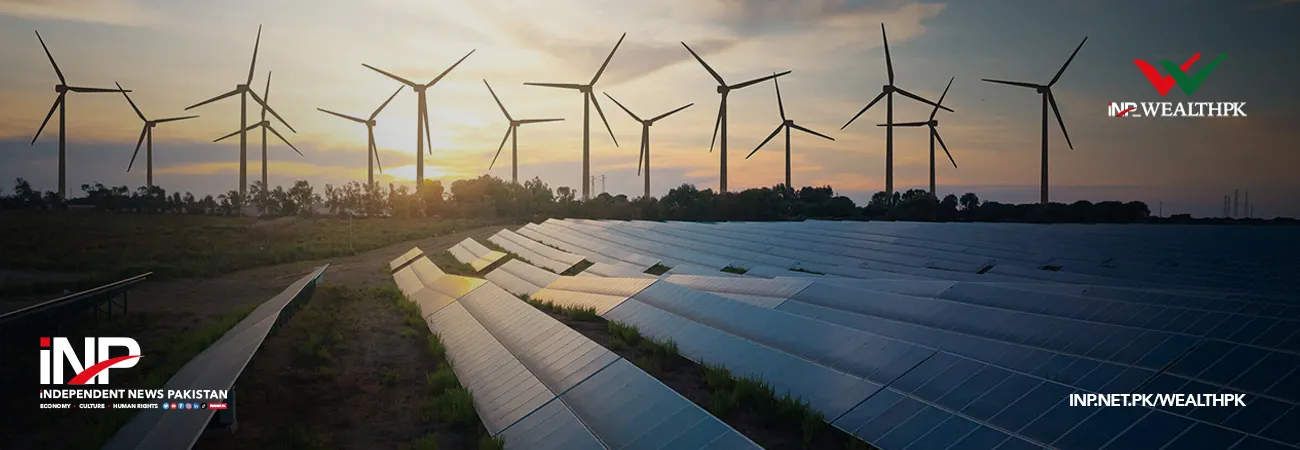
Among renewable sources, wind power posted its highest output during the six-month period, rising to 665.16 GWh in May from 409.10 GWh in April. Solar generation also continued its steady upward trend, reaching 119.13 GWh compared with 111.43 GWh a month earlier.
In contrast, nuclear generation declined to 1,801.33 GWh in May from 2,096.83 GWh in April. Electricity produced from residual furnace oil (RFO) also dropped sharply to 20.11 GWh from 485.84 GWh, while generation from high-speed diesel returned to zero after contributing 46.85 GWh in April.
Electricity imported from Iran increased modestly to 36.19 GWh in May from 32.46 GWh in April, while bagasse-based generation remained largely stable at 63.13 GWh. No electricity was generated from mixed sources during the period.
The latest SBP data indicate that Pakistan's power generation mix shifted significantly in May, with hydel power leading the increase in electricity production, supported by higher coal, RLNG and renewable energy generation, while reliance on furnace oil and diesel-based generation declined.
Credit: INP-WealthPk
Related Articles