


INP-WealthPk

Rs1.7 trillion economic activity generated at Eid-ul-Azha despite higher costs
July 03, 2026
By Qudsia Bano
Eid-ul-Azha generated an estimated Rs1.7 trillion in economic activity across Pakistan this year, underscoring the festival's continued importance as a major driver of seasonal commerce despite rising inflation and higher transportation and livestock management costs.
According to the Ministry of Planning, Development and Special Initiatives' Monthly Development Update (June 2026), the annual religious festival stimulated economic activity across a wide range of sectors, including livestock trading, transportation, animal feed, veterinary services, temporary markets, retail businesses, leather processing and meat distribution.
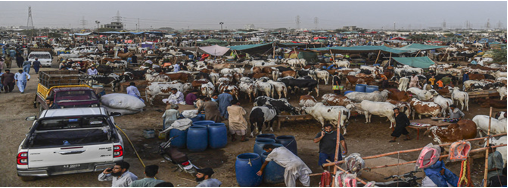
The report notes that millions of sacrificial animals were traded in urban and rural livestock markets during the Eid season, generating substantial income for farmers, livestock breeders, traders and transporters. The festival also created significant business opportunities for retailers selling animal feed, ropes, tents, knives, freezers and other related products and services.
According to the report, the estimated Rs1.7 trillion in economic activity demonstrates the growing contribution of Eid-ul-Azha to Pakistan's informal and formal economy, making it one of the country's largest seasonal commercial events. The spending associated with the festival supported livelihoods across agriculture, transport, services and small businesses while stimulating consumer demand nationwide.
The document notes, however, that the festival took place amid rising inflationary pressures. Higher fuel prices increased transportation costs for moving animals from rural breeding areas to urban livestock markets, while increases in fodder prices, labour charges and veterinary expenses raised the overall cost of livestock production. These factors contributed to higher prices for sacrificial animals compared with the previous year.
Despite the higher prices, consumer participation remained strong. The report indicates that households continued to purchase sacrificial animals, although buying patterns reflected greater price sensitivity. Many consumers opted for smaller animals or shared larger animals to manage rising costs while fulfilling their religious obligations.
The report also highlights the extensive economic linkages created by Eid-ul-Azha. Besides livestock farmers and traders, the seasonal demand benefited transport operators, market contractors, butchers, leather merchants, cold storage operators and businesses involved in meat preservation and distribution. Temporary livestock markets established across the country also generated employment and commercial opportunities for thousands of workers engaged in logistics, security, sanitation and support services.
According to the Ministry of Planning, the leather industry also stands to benefit from the large number of animal hides collected during the festival. The availability of raw hides provides an important source of input for Pakistan's leather and leather products industry, one of the country's export-oriented manufacturing sectors.
The report observes that the widespread economic activity generated during Eid-ul-Azha demonstrates the strong interconnection between Pakistan's agriculture, livestock, trade and services sectors. It notes that the festival continues to provide seasonal income opportunities for rural households while supporting commercial activity in urban centres through increased consumer spending and business transactions.
According to the document, maintaining efficient livestock supply chains, improving market management and strengthening animal health services will remain important for sustaining the economic benefits associated with Eid-ul-Azha in the coming years. It adds that the festival's sizeable economic footprint highlights the growing importance of the livestock sector in supporting rural incomes and contributing to national economic activity.
Credit: INP-WealthPk
Related Articles