i BLOGS
Could Petrol Prices in Pakistan Reach Rs500 Soon?Breaking
March 16, 2026
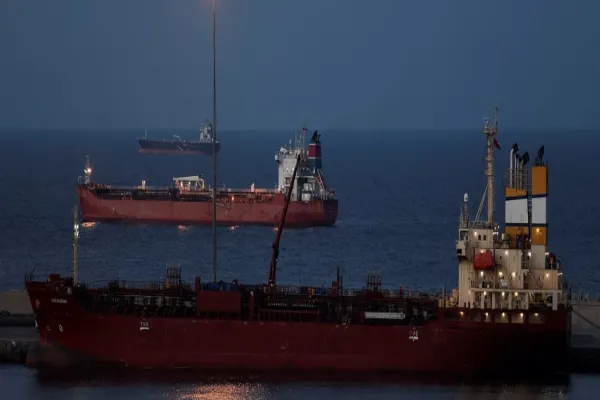
The ongoing conflict in the Middle East has created major uncertainty in the global oil market. In recent weeks, crude oil prices have risen sharply due to fears that the war could disrupt energy supplies from the region. Brent crude has climbed to around $100–$104 per barrel, the highest levels seen in years, as attacks on oil facilities and tensions around the Strait of Hormuz threaten global supply. This shipping route normally carries about 20% of the world’s oil, so any disruption there immediately affects international prices and energy markets.
The conflict has already caused large swings in oil prices, with global markets reacting to every new development. Analysts say that if the crisis continues or if more oil infrastructure in the Gulf is damaged, prices could rise even further. Such volatility has increased concerns about global inflation and economic pressure on countries that depend heavily on imported fuel.
Pakistan is among the countries most vulnerable to rising oil prices because it imports most of its fuel from abroad. Experts estimate that more than 80% of Pakistan’s oil is imported, making the economy highly sensitive to changes in international markets. As global prices increase, Pakistan’s fuel import bill rises immediately, putting pressure on foreign exchange reserves and the overall economy.
The impact is already visible in domestic fuel prices. In response to the surge in global oil prices, the government has increased petrol and diesel prices significantly, with petrol rising above Rs320 per litre in recent revisions. These increases are expected to affect transportation, electricity generation, and the prices of many daily goods.
Economists warn that higher oil prices could widen Pakistan’s trade deficit and increase inflation in the coming months. Reports suggest that the country’s monthly oil import bill could increase by hundreds of millions of dollars if the conflict continues. As a result, the petrol prices in Pakistan could rise to as much as Rs500 per litre if global oil prices continue to increase. Rising shipping costs and insurance for oil tankers have also made fuel imports more expensive for Pakistan.
Overall, the current global oil situation shows how closely Pakistan’s economy is tied to international energy markets. As long as tensions in the Middle East remain high, oil prices are likely to stay volatile, creating economic challenges for countries that rely heavily on imported fuel like Pakistan
Credit: Independent News Pakistan (INP)
Related News