


i BLOGS
Full Ceasefire Impossible While US Maintains Naval Blockade: Iran’s Negotiating ChiefBreaking
April 23, 2026
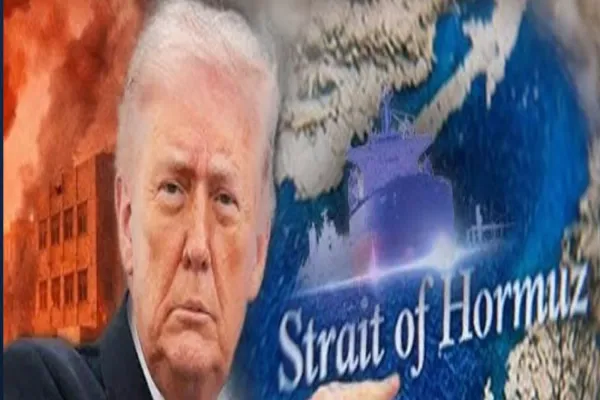
Tensions in the Middle East have grown since Iran took two commercial ships in the Strait of Hormuz, which is one of the most important shipping routes in the world. The event happened after former US President Donald Trump said he was putting off planned military strikes on Iran for an indefinite amount of time. This added to the uncertainty surrounding an already shaky ceasefire and raised questions about whether peace talks can start up again.
The Strait of Hormuz is still an important shipping route that normally carries about one-fifth of the world's oil. Any problems there quickly affect world markets, and Iran's most recent move has already caused oil prices to rise. Brent crude rose above $100 per barrel as worries grew that the war could make shipping and energy supplies even less stable.
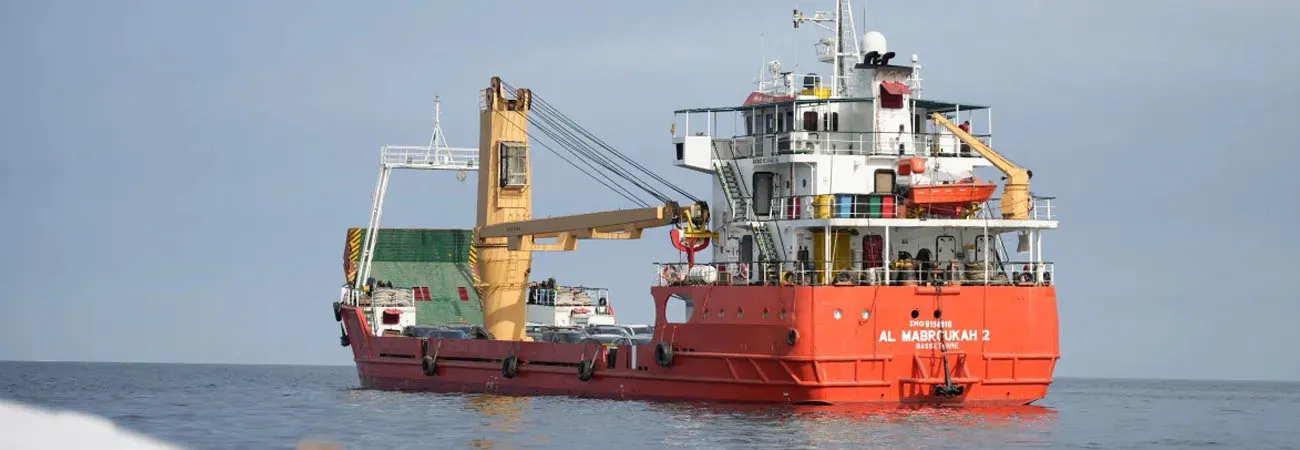
Iran's Revolutionary Guard took the Liberia-flagged Epaminondas and the Panama-flagged MSC Francesca into custody, saying they broke maritime law and messed with navigation systems. A third cargo ship was also shot at, but it didn't get hurt. Western leaders called the seizures piracy, but Tehran said that the US's ongoing naval blockade of Iranian trade routes is an act of economic warfare in and of itself.
Trump is said to think that putting more pressure on Iran at sea could give Washington an advantage in future talks by forcing Iran to come back to the table from what some analysts call a "commanding position."
However, Pakistani diplomat Sardar Masood Khan said that the only realistic way to get to diplomacy may be for both sides to take steps to build trust. He said that making it easier for ships to get through the Strait of Hormuz and easing the blockade on Iranian ports could make it easier for talks to start up again.
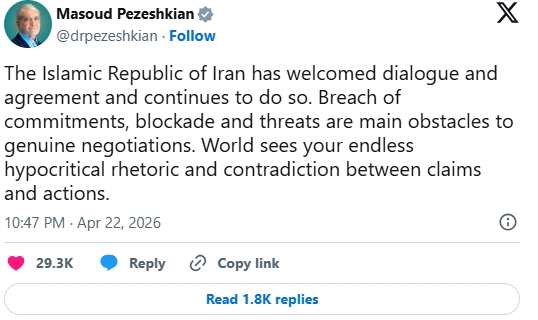
Iranian leaders have said they are still willing to talk, but only if the conditions are different. President Masoud Pezeshkian said that Iran still wants to talk, but he also said that blockades, broken promises, and military threats are still the main things that keep real negotiations from happening. Mohammad Bagher Ghalibaf, the Speaker of the Iranian Parliament, also said that reopening the strait would be impossible as long as foreign pressure continues.
The conflict's humanitarian cost keeps going up, with reports of thousands of deaths across the region, especially in Iran and Lebanon. Israeli attacks in Lebanon have made it even harder to stabilize the larger crisis.
The situation is still very unstable because there is no formal ceasefire extension and no clear timeline for new talks. The most recent fight in the Strait of Hormuz shows that the region can stay on the edge of a bigger war even when military action is put off.
Credit: Independent News Pakistan (INP)
Related News