


i INP-WEALTHPK

Agriculture grows 2.9pc in Q1 FY2026 as credit rises 11.4pcBreaking
January 28, 2026
Abdul Ghani
Pakistan’s agriculture sector recorded a growth of 2.9 percent in the first quarter of FY2026, marking a significant improvement over the 1.0 percent growth registered in the same period last year, supported by higher agricultural credit disbursement, increased use of inputs, and rising imports of farm machinery, according to the Monthly Economic Update and Outlook released by the Finance Division.
Official data show that the improvement in agricultural performance was largely driven by strong growth in livestock and better input demand, despite continued weakness in some crop segments. Livestock, the largest contributor to the agriculture sector, expanded by 6.3 percent in Q1 FY2026, compared to 2.0 percent growth in the corresponding period last year. The stronger livestock performance was supported by a decline in the value of key inputs, particularly green fodder, which fell by 14.4 percent.
Crop performance during the quarter showed mixed trends. Important crops, excluding wheat, a Rabi crop, recorded a contraction of 0.7 percent, an improvement from the sharp contraction of 13.1 percent witnessed in Q1 of FY2025. The smaller decline was mainly due to reduced losses in cotton production, which fell by 1.2 percent during the period. Other crops contracted by 6.4 percent, compared to a much steeper contraction of 19.3 percent last year, largely due to lower green fodder production and higher input use.
On the input side, agricultural activity benefited from a notable increase in financing and mechanisation. Agricultural credit disbursement rose by 11.4 percent to Rs1,411.6 billion during Jul–Dec FY2026, up from Rs1,266.7 billion in the same period last year. The higher flow of credit supported farm operations, input purchases, and working capital requirements across the sector.
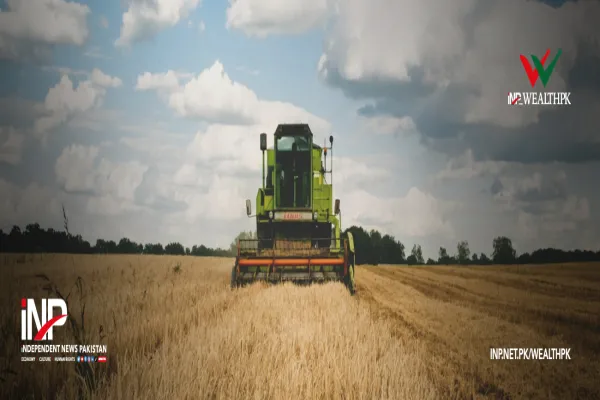
Imports of agricultural machinery and implements also increased sharply, rising by 21.6 percent to $65.8 million during Jul–Dec FY2026, compared to $54.1 million last year. The increase indicates growing investment in farm mechanisation, which is seen as critical for improving productivity and efficiency in the agriculture sector.
Fertiliser offtake data for the ongoing Rabi season further reflect increased input usage. During Rabi 2025–26 (October–December), urea offtake reached 2,526 thousand tonnes, representing a 26.1 percent increase compared to the same period last year. In contrast, di-ammonium phosphate (DAP) offtake declined by 22 percent to 543 thousand tonnes, reflecting shifting fertiliser usage patterns amid price considerations and crop requirements.
Other sub-sectors within agriculture recorded steady growth during the quarter. Forestry expanded by 2.1 percent, while fishing posted growth of 0.9 percent, broadly maintaining their historical growth trends.
The Finance Division noted that the improved performance of agriculture in Q1 FY2026 reflects greater resilience in the sector, supported by better access to credit, higher input demand, and relative stabilisation in input prices. The report highlighted that rising mechanisation and financing are expected to play an important role in sustaining agricultural growth in the coming quarters.
According to the outlook provided in the report, the agriculture sector is expected to continue benefiting from improved input availability and financing conditions in FY2026. However, performance will remain sensitive to weather conditions, input prices, and crop-specific developments, particularly for major crops in the Rabi season.
The rebound in agriculture during Q1 FY2026 is viewed as an important contributor to overall economic activity, given the sector’s role in employment, rural incomes, and food security, and is expected to support broader growth momentum during the remainder of the fiscal year.
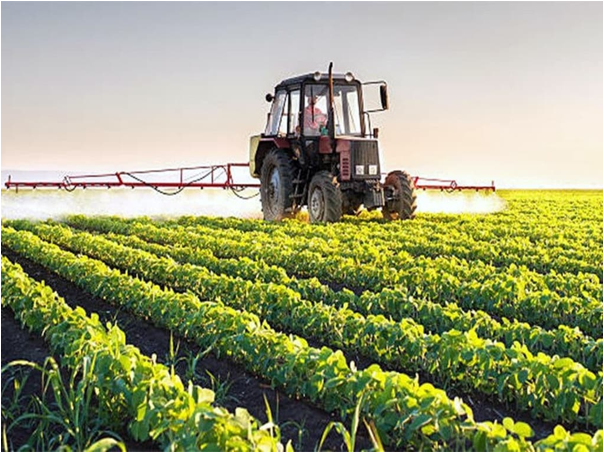
Credit: INP-WealthPk
Related News