



i INP-WEALTHPK

American pecan nut cultivation successful in PunjabBreaking
November 13, 2026
By Muhammad Luqman
Pecan nut, once considered suitable mainly for the climates of the United States and Mexico, is now being successfully cultivated in the central and northern parts of Punjab.
“Several areas of Punjab have the potential for pecan cultivation, and its suitability should not be restricted to colder mountainous regions,” said Muhammad Aqeel Feroze, senior scientist (horticulture) at the Barani Agricultural Research Institute (BARI), Chakwal.
Talking to Wealth Pakistan, he said the Potohar region, including Chakwal, Attock, Jhelum and Rawalpindi, offers promising conditions for pecan cultivation. Central Punjab districts, including Lahore and Sargodha, also show potential.
Aqeel Feroze said research on pecan cultivation was initiated at BARI, Chakwal, about a decade ago.
“The research has resulted in the development of a local pecan variety, DMA-2, which has been approved by the Punjab Seed Council. This represents an encouraging achievement in local agricultural research,” the horticulture expert said.
He added that individual pecan trees were also growing and bearing fruit in Lahore and Sargodha. Some residents had planted one or two trees in their home gardens, which had started producing nuts.
He said southern Punjab districts, particularly Vehari and Bahawalpur, could also be considered for experimental cultivation. However, their commercial suitability needs further scientific evaluation, particularly regarding winter chilling requirements and the management of summer heat.
Pecan is a deciduous nut tree that can tolerate relatively high summer temperatures, provided that adequate soil moisture is available. However, winter chilling requirements, flowering synchronization, pollination and nut maturity are critical factors in its successful cultivation.
Aqeel Feroze said several American pecan varieties are internationally recognized, including Wichita, Pawnee, Western Schley, Stuart, Mahan and Desirable.
For Punjab, he said, preference should be given to low-chilling, early- to medium-maturing varieties with good heat adaptability, consistent bearing and superior nut quality.
He explained that pecan is predominantly cross-pollinated, making it necessary for farmers to plant compatible Type I and Type II varieties to ensure effective pollination and fruit setting.
He said the selection and approval of DMA-2 in Punjab is an important step towards identifying locally suitable planting material. However, further evaluation is needed to establish its commercial performance across different agro-climatic zones.
The major challenges facing pecan cultivation in Punjab include the limited availability of identified, true-to-type planting material and insufficient winter chilling, which could affect bud break and flowering.
“High summer temperatures, particularly when accompanied by water stress, are also a major obstacle to the growth of pecan trees,” he said.
He said Pakistan has considerable potential to develop local pecan production as a high-value nut crop and a means of substituting imports, provided its cultivation is promoted as part of the country's fruit portfolio following proper scientific evaluation.
Imported pecan nuts are currently available in major urban centers, including Lahore and Karachi, at prices ranging from Rs4,500 to Rs6,000 per kilogram.
Aqeel Feroze said pecan kernels are widely used in confectionery, bakery products, chocolates and other premium food items. Developing local production could create business opportunities for farmers, nurseries, processing industries and agricultural entrepreneurs.
Besides Punjab, pecan nuts have also been successfully cultivated in parts of Khyber Pakhtunkhwa and Balochistan.
“The cultivation of pecan and other American walnut varieties has been experimented with in different parts of Balochistan,” said Prof. Dr. Shahjahan Shabbir Rana of the Department of Horticulture and Biotechnology at the Balochistan University of Information Technology, Engineering and Management Sciences (BUITEMS), Quetta.
He said further trials to assess climate and varietal adaptability could help promote pecan cultivation in Ziarat and other parts of Balochistan.
“If adopted after due research, the cultivation of pecan and walnut varieties could become a commercially viable activity in this part of Pakistan,” Dr Shahjahan said.
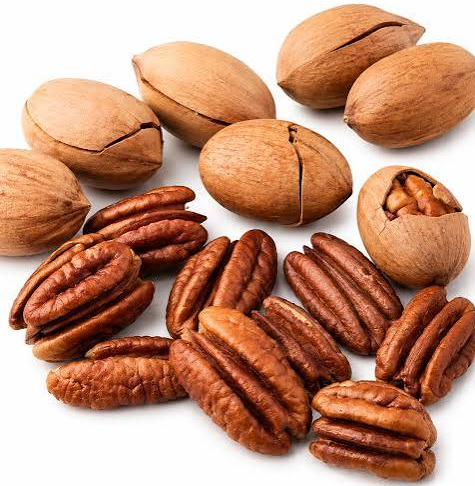
Credit: INP-WealthPk
Related News