


i INP-WEALTHPK

Weekly inflation rises 0.47% as tomatoes, fuel, wheat flour prices climbBreaking
May 18, 2026
By Moaaz Manzoor
Pakistan’s weekly inflation, measured through the Sensitive Price Indicator (SPI), increased by 0.47 percent during the week ended May 14, 2026, mainly driven by higher prices of tomatoes, fuel, wheat flour, and footwear items, according to data released by the Pakistan Bureau of Statistics (PBS).
The SPI, which monitors prices of 51 essential commodities across 50 markets in 17 urban centres, is used to assess short-term inflation trends in the country.
According to PBS, tomato prices recorded the sharpest weekly increase, surging 22.13 percent during the week under review. Prices of gents' sponge chappals increased by 16.69 percent, followed by ladies’ sandals at 7.15 percent, wheat flour at 4.94 percent, diesel at 3.76 percent, and petrol at 3.73 percent. Onion prices rose 2.98 percent, while bananas, potatoes, curd, fresh milk, and sugar also registered increases.
The increase in fuel prices continued to influence broader inflationary trends, while rising wheat flour and vegetable prices added pressure on household food expenditures during the week.
However, the overall increase in SPI inflation was partially offset by price declines in several food and energy items.
Chicken prices declined by 6.34 percent during the week, followed by eggs at 3.83 percent and garlic at 2.20 percent. LPG prices fell by 1.23 percent, while prices of pulse mash, pulse gram, pulse masoor, and pulse moong also recorded slight declines.
During the week under review, prices of 23 items out of the 51-item SPI basket increased, nine items declined, while 19 items remained unchanged, indicating that inflationary pressures remained relatively broad-based despite easing in selected commodities.
On a year-on-year basis, weekly inflation increased by 14.52 percent compared with the corresponding week last year.
Among the major contributors to annual inflation, petrol recorded an increase of 64.23 percent, followed by diesel at 61.61 percent and wheat flour at 57.56 percent. Electricity charges for the lowest consumption slab increased by 52.58 percent, while onion prices rose 50.06 percent and LPG prices climbed 48.34 percent compared with the same week last year. Tomato prices also remained 40.66 percent higher on an annual basis.
At the same time, several food items were cheaper compared with a year earlier. Potato prices declined by 43.07 percent, followed by pulse gram at 21.33 percent, chicken at 20.67 percent, and eggs at 18.22 percent. Sugar prices also remained 15.04 percent lower year-on-year.
The PBS data further showed that inflation increased across all expenditure groups during the latest week.
The SPI for the lowest expenditure quintile rose by 0.39 percent, while the second quintile increased by 0.42 percent and the third quintile by 0.39 percent. Inflation for the fourth expenditure group rose by 0.44 percent, while the highest expenditure group recorded a weekly increase of 0.52 percent.
On an annual basis, inflation stood at 11.56 percent for the lowest expenditure group and 14.24 percent for the highest expenditure group. The combined annual SPI inflation rate was recorded at 14.52 percent.
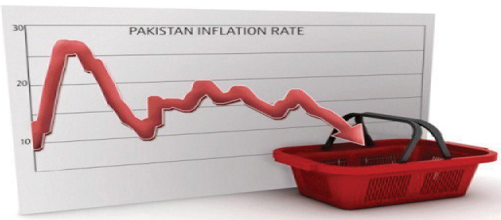
A review of recent SPI trends showed that inflationary pressures remained elevated despite fluctuations in weekly food prices. Combined SPI inflation increased from 6.67 percent in mid-March to 14.52 percent during the week ended May 14, reflecting continued volatility in fuel and essential commodity prices.
Credit: INP-WealthPk
Related News