i NEWS INTERNATIONAL
Hindutva agenda shows ugly face as India moves to bar non-Hindus from temples Breaking
January 27, 2026
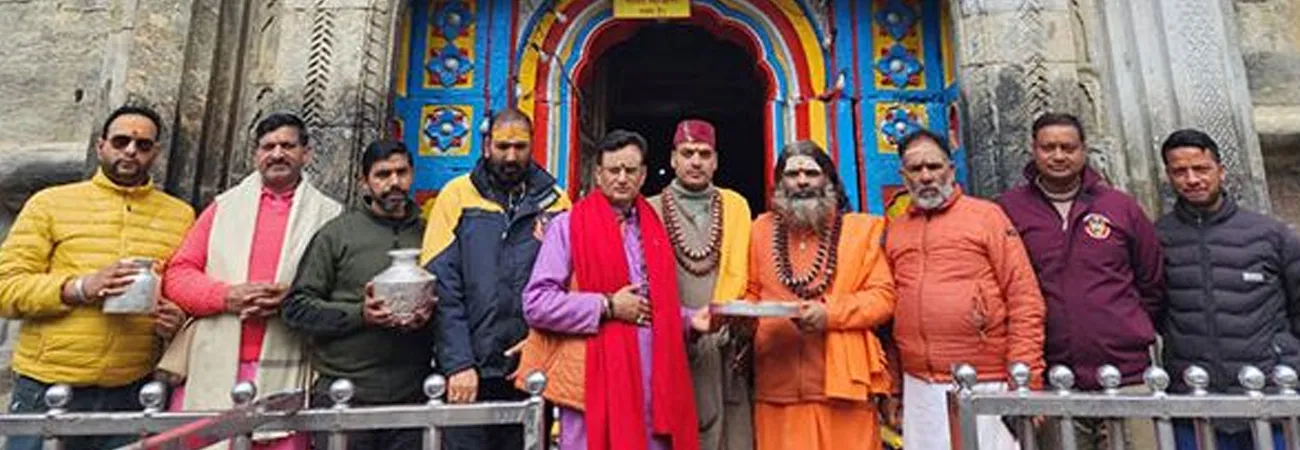
In another alarming move reflecting the deepening communalization under the Modi-led regime, Indian authorities in Uttarakhand are set to approve a proposal to ban non-Hindus from entering prominent Hindu shrines, including Badrinath, Kedarnath and Gangotri, sparking serious concerns about religious discrimination and minority rights in India. Officials of the Badrinath Kedarnath Temple Committee said the proposal to prohibit the entry of non-Hindus into the temple areas is likely to be formally approved later this week.
The move, backed by temple committees and endorsed by the BJP-led state government, is being widely seen as part of the ruling party’s Hindutva-driven agenda. Chairman of the Badrinath Kedarnath Temple Committee, Hemant Dwivedi, claimed that consensus has been reached among saints, priests and local stakeholders, and justified the proposed ban by invoking religious tradition and selective interpretation of constitutional provisions.
He said the rule would come into force after approval at the committee’s board meeting. Meanwhile, the Gangotri Temple Committee has already announced that non-Hindus will be completely barred from entering the Gangotri Dham, while similar demands have emerged from religious bodies in Haridwar to declare major Ganga ghats as “non-Hindu prohibited areas” ahead of the upcoming Kumbh events. Observers say such steps openly institutionalize religious exclusion and undermine India’s claims of secularism.
Rights activists warn that normalizing faith-based bans not only marginalizes religious minorities but also emboldens extremist elements across the country. Reacting to the development, India’s opposition Congress party accused the BJP government of using communal polarization to divert attention from governance failures and public hardships. Former Uttarakhand Chief Minister Harish Rawat said the repeated announcement of such restrictions is meant to confuse and distract people rather than address real issues faced by citizens.
Credit: Independent News Pakistan (INP)
Related News