


i NEWS INTERNATIONAL
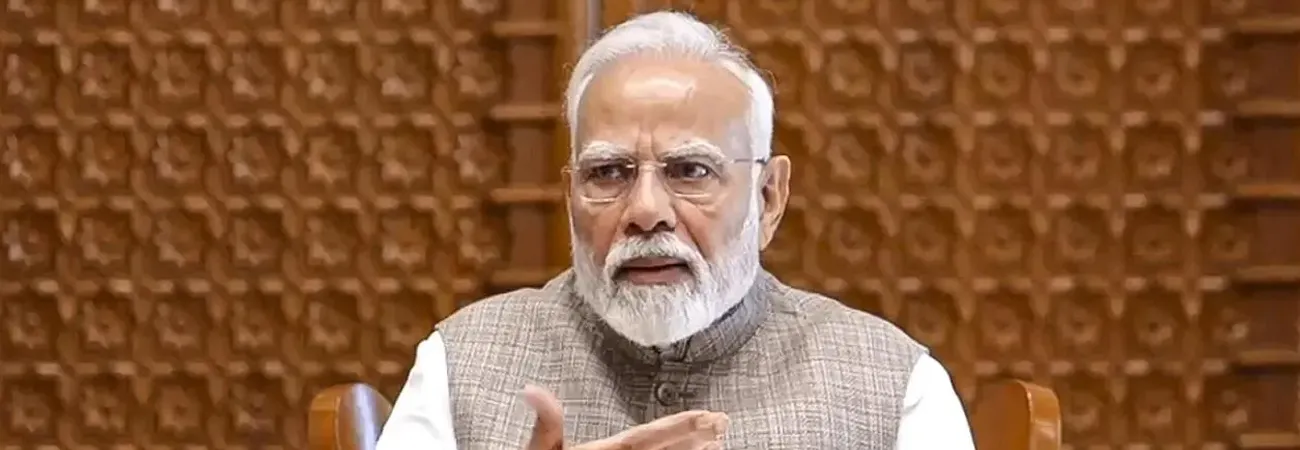
Modi regime targets own citizens in panic, slaps espionage charges to stoke fear Breaking
January 27, 2026
In a telling sign of deepening sense of insecurity, the Modi-led Indian regime has intensified a campaign of fear by targeting its own citizens with espionage allegations, using sweeping accusations to silence dissent and project an image of perpetual threat. Indian security agencies have detained a man from Jaisalmer in Rajasthan on suspicion of spying for Pakistan’s intelligence agency, the ISI.
The suspect, identified as Jhabararam Meghwal, was picked up late at night from his home in Nehdan village and taken into custody without any formal charges being made public. Officials said teams of CID-Intelligence shifted the detainee to Jaipur for interrogation, while his mobile phone and computer systems were seized for forensic examination.
Meghwal had been running an e-Mitra centre in the village for the past four years, providing basic digital services to locals under government schemes. Indian media reports, citing unnamed intelligence sources, claimed the suspect was allegedly in contact with a Pakistani woman through social media and may have been “honey-trapped.”
However, no concrete evidence has been presented so far, and even the authorities admit they are still “trying to ascertain” whether any information was shared, for money or under pressure. Observers say such vague, speculative allegations reflect the Modi regime’s growing paranoia, where mere suspicion, social media contact, or access to routine government documents is enough to brand an ordinary citizen a spy.
Critics argue that these tactics are increasingly being used to create an atmosphere of fear, justify heavy-handed security measures, and divert attention from internal crises, economic distress and political dissent. Rights activists note that branding citizens as “spies” without transparent legal process has become a convenient tool for the BJP-led government to demonstrate toughness, particularly in border regions and disputed areas, while eroding civil liberties and due process across India.
Credit: Independent News Pakistan (INP)
Related News