i NEWS PAK-CHINA
China’s rainwater harvesting offers example for Pakistan ahead of the monsoonBreaking
March 17, 2026
As climate change and rapid urbanisation put growing pressure on water resources, rainwater harvesting is drawing renewed attention in Pakistan. China’s experience in collecting, storing and reusing rainwater in cities, dry rural regions and difficult terrain offers practical ideas that could be adapted locally, says a report carried by Gwadar Pro on Tuesday.
In urban areas, China has promoted the “sponge city” approach through national policy, encouraging the use of permeable pavements, green roofs, wetlands and rainwater storage facilities to absorb and manage stormwater. Beijing and Shanghai have both expanded such systems as part of broader efforts to reduce waterlogging, improve rainwater use and strengthen urban resilience.
In drier rural parts of northwestern China, especially Gansu, rainwater harvesting has long been used to support drinking water supply, supplemental irrigation and ecological restoration. Local programmes and technical studies describe the use of storage tanks, field-side collection systems, terraces and micro-catchments to make better use of limited and seasonal rainfall.
China also offers examples of terrain-specific systems. In Lhasa, sponge-park projects use permeable surfaces, sunken green areas and storage capacity to manage concentrated rainfall in a high-altitude environment. In mountainous Guangxi, villages have used diversion channels and water tanks to collect rainwater for domestic supply.
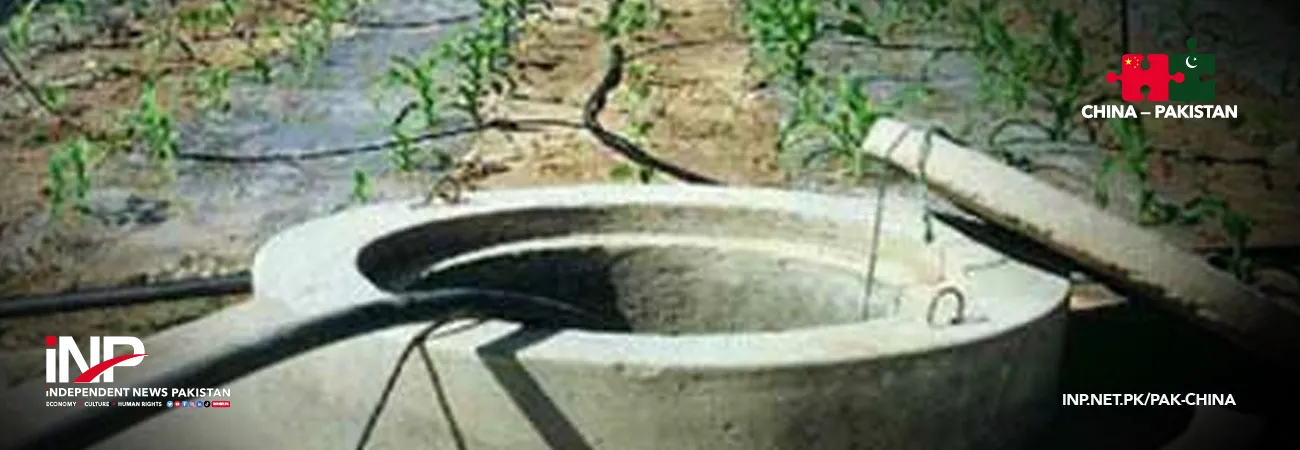
Pakistani water experts say similar ideas could be useful locally. Muhammad Ashraf, former chairman of the Pakistan Council of Research in Water Resources and now the International Water Management Institute’s country representative in Pakistan, has argued that the country needs more water storage at every level and that options such as artificial lakes and groundwater recharge wells can help address both flooding and water scarcity.
Grassroots efforts in Pakistan already point in that direction. Media reports have highlighted the work of teacher-activist Usman Abbasi, widely known as Teacher Usman, who has helped build rainwater ponds and recharge wells through community initiatives aimed at reducing runoff and replenishing groundwater.
At the policy level, Pakistan has also moved to expand rainwater harvesting. In July 2025, the federal cabinet approved the Green Building Code and the Rainwater Harvesting Code. The rainwater code applies to residential, commercial and industrial buildings and requires systems to collect, filter and reuse rainwater.
In Punjab, authorities have also announced a plan to build 358 underground water tanks, including 34 in urban areas and 324 roadside tanks, alongside recharge wells. Experts say that combining large-scale planning with low-cost local initiatives could help Pakistan reduce flooding, recharge aquifers and make better use of monsoon rainfall in the years ahead.
Credit: Independent News Pakistan (INP) — Pak-China
Related News