i NEWS PAKISTAN
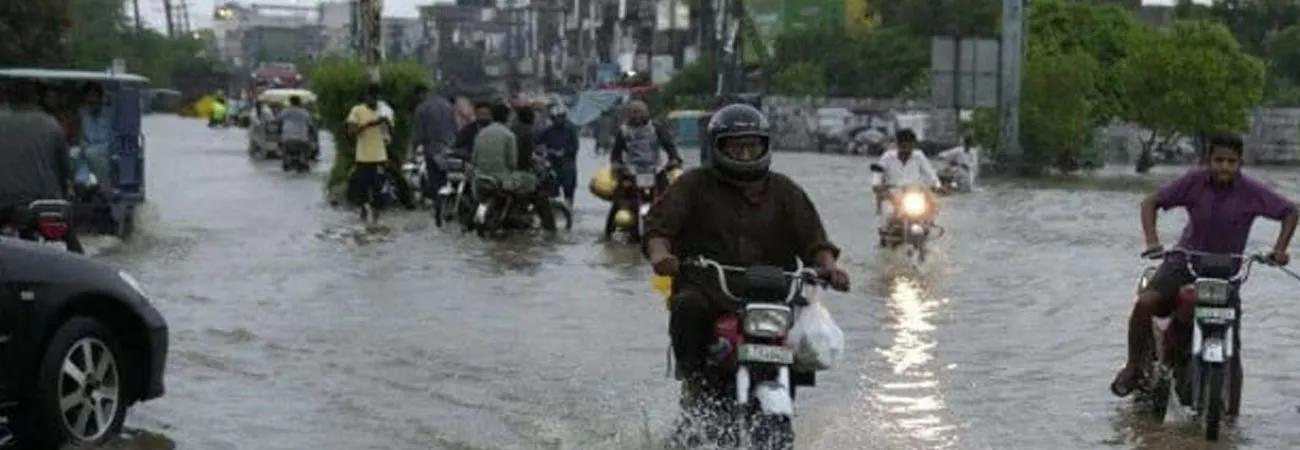
Pakistan ramps up flood preparedness to avoid disaster ahead of monsoon 2026Breaking
May 15, 2026
As the monsoon season approaches, Pakistan is ramping up efforts to strengthen flood defenses and prevent another large-scale disaster. Experts warn that time is running short, with only a few weeks left before heavy rains hit, putting pressure on authorities to move quickly from planning to action to protect millions at risk. The government has launched a new national initiative aimed at reinforcing embankments, improving drainage systems, and upgrading early warning networks.
The program comes in response to previous catastrophic floods that displaced millions and caused significant economic losses. Under the National Adaptation Plan (NAP), federal and provincial agencies are accelerating measures to improve forecasting systems, safeguard vulnerable communities, and reinforce critical infrastructure before the monsoon rains arrive. The plan is being implemented with technical support from the United Nations Environment Programme (UNEP) and coordinated by the Ministry of Climate Change and Environmental Coordination (MoCC&EC), following direct guidance from the Prime Minister’s Office.
Officials describe the initiative as Pakistan’s most ambitious flood resilience program to date. The first major provincial consultation took place in Lahore, gathering over 60 senior officials, engineers, disaster management experts, and development partners. The workshop, organized by the IWMI and another foundation, focused on assessing urgent flood risks and identifying immediate interventions. Punjab, one of the provinces most vulnerable to flooding, has tentatively allocated nearly PKR 180 billion for emergency flood mitigation and infrastructure rehabilitation.
National authorities are also considering an investment plan of Rs1.17 trillion to support short-, medium-, and long-term climate resilience measures. Officials highlighted the multiple flood threats Pakistan faces, including riverine floods, urban flooding, hill torrents, glacial lake outburst floods (GLOFs), and coastal surges. Climate change and outdated infrastructure exacerbate these risks. Since 2010, floods in Pakistan have claimed over 4,500 lives, injured nearly 18,000 people, and displaced close to 40 million citizens.
The 2022 floods alone resulted in losses amounting to roughly 9.3% of the country’s GDP, underscoring weaknesses in disaster preparedness and response. During the Lahore consultation, experts emphasized the need to move away from reactive emergency responses. Instead, they called for predictive, science-based systems capable of preventing disasters before they occur. Key recommendations included repairing and reinforcing embankments, restoring drainage networks and barrages, desilting rivers and canals, and upgrading urban stormwater systems.
Officials also identified vulnerable infrastructure, including Lahore’s Shahdara Railway Bridge and GT Road Bridge, which could exacerbate flood damage if not addressed. Experts stressed stronger coordination among key institutions such as the Pakistan Meteorological Department (PMD), Provincial Disaster Management Authorities (PDMAs), WAPDA, irrigation departments, and local governments. Advanced technologies, including real-time flood forecasting, predictive hydrological modeling, AI-assisted tools, satellite integration, and centralized data-sharing platforms, were highlighted as essential for improving early warning systems.
Credit: Independent News Pakistan (INP)
Related News