



آئی این پی ویلتھ پی کے

Beijing charts grand strategy for modernization for 1.4 billion people by 2035
March 14, 2026
By Special Correspondent
China has charted a development blueprint aimed at advancing modernization for its 1.4 billion population by 2035, according to the draft outline of the country’s 15th Five-Year Plan (2026–2030) reviewed at the national legislative session held in Beijing.
The plan proposes laying a solid foundation during the 2026–2030 period for achieving the longer-term goal of basic socialist modernization by 2035. One of the key targets is to double China’s 2020 per capita gross domestic product (GDP) to more than $20,000, a level typical of moderately developed economies.
The blueprint also envisions stronger economic strength, improved scientific and technological capabilities, enhanced national defense and greater overall national strength by 2035. It aims to improve living standards and ensure that development gains are shared by the entire population.
China’s modernization effort is unprecedented in scale due to the size of its population. According to the plan, fewer than 30 countries and regions worldwide have achieved modernization, with their combined population not exceeding one billion people. China’s population of 1.4 billion therefore presents unique challenges and opportunities in pursuing modernization.
The draft outline sets a range of social and development targets for the next five years. These include raising the country’s average life expectancy to 80 years, increasing the number of practicing physicians to 3.7 per 1,000 people and raising the permanent urbanization rate to 71 percent.
At the same time, China faces resource constraints and demographic challenges. The country’s per capita holdings of arable land, water resources and crude oil remain below global averages, while declining birth rates and a rapidly aging population are adding pressure to the modernization process.
The plan emphasizes that China will pursue modernization through high-quality development guided by principles of innovation, coordination, green development, openness and shared growth.
As part of this strategy, China plans to increase its research and development spending by an average of more than 7 percent annually during the 2026–2030 period. The value added of core digital economy industries is expected to rise to 12.5 percent of GDP.
The country will also accelerate its green transition, aiming to reduce carbon dioxide emissions per unit of GDP by 17 percent from 2025 levels and increase the share of non-fossil fuels in total energy consumption to 25 percent by the end of the period.
The draft outline also sets goals for strengthening food security and improving living conditions. China plans to raise total grain production capacity to 725 million tonnes by 2030 while implementing urban renewal programs to improve housing conditions.
Infrastructure development will continue to be strengthened, including improvements in power supply, high-speed rail networks and telecommunications systems to provide more reliable electricity, convenient transport and faster communications.
The plan also highlights the role of China’s large population as a potential driver of development, providing a broad talent pool and a large domestic market that can support innovation and balanced economic growth.
Measures are also proposed to improve the population structure and human capital. These include strengthening fertility support policies, aligning education resources with demographic changes and expanding the elderly care sector.
China’s vast domestic market is expected to provide sustained momentum for economic development and offer opportunities for global cooperation. As the world’s second-largest import market, China plans to continue promoting balanced trade by stabilizing exports while expanding imports.
The blueprint also suggests that China’s modernization could contribute to global development by expanding the share of the world’s population that has achieved modernization. Once China reaches this goal, the proportion of people living in modernized societies globally could rise from about one-seventh to roughly one-third.
The plan notes that China will pursue modernization in a manner suited to its national conditions rather than replicating development models used by Western economies, with an emphasis on inclusive and sustainable development.
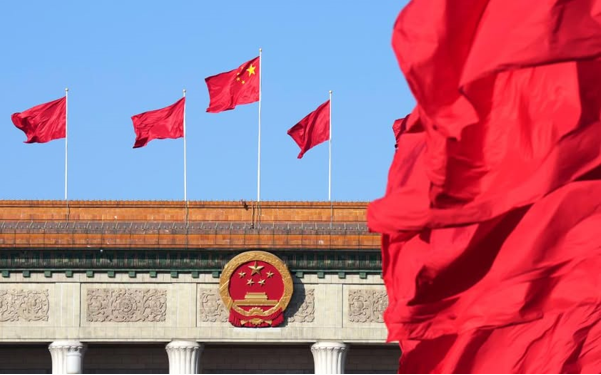
Credit: INP-WealthPk
متعلقہ مضامین