



آئی این پی ویلتھ پی کے

Culture emerges as key pillar in China’s 2026-2030 development plan
March 14, 2026
By Special Correspondent
China has placed cultural development at the center of its blueprint for the 2026–2030 period, highlighting the role of cultural advancement alongside economic growth and technological innovation in the country’s modernization drive.
According to the outline of China’s 15th Five-Year Plan (2026–2030), the country aims to achieve notable progress in culture and ethics during the next five years.
The blueprint calls for strengthening confidence in Chinese culture, enriching cultural experiences for the public and promoting the development of robust cultural industries as part of the broader goal of advancing socialist modernization by 2035.
The emphasis on culture reflects what the plan describes as the coordinated pursuit of both material development and cultural-ethical progress in China’s modernization path.
In recent years, China has taken multiple measures to promote cultural development. Authorities have encouraged the practice of core socialist values, which include prosperity, equality, justice, freedom, integrity and social responsibility.
Efforts have also focused on expanding public cultural infrastructure, promoting creativity in cultural production, preserving cultural heritage and strengthening the development of cultural industries.
Official figures indicate significant expansion in cultural resources across the country. By the end of 2024, China had 3,248 public libraries and nearly 44,000 local cultural centers.
Public engagement with cultural services has also increased markedly. Library visits reached 1.34 billion in 2024, more than double the figure recorded a decade earlier.
Museums and other cultural relic institutions hosted around 30,000 exhibitions and displays in 2024 and received 1.55 billion visits, up from 840 million visits ten years earlier.
Cultural heritage programs have also contributed to employment and local economic development. Across China, about 12,900 workshops dedicated to intangible cultural heritage have created jobs and boosted incomes for around 1.2 million people.
China’s cultural sector has also gained increasing international attention through creative industries. Cultural products such as animated films, video games, online literature and digital content have attracted global audiences in recent years.
The development blueprint proposes a range of measures to further strengthen the cultural sector. These include producing high-quality cultural works, improving public cultural services and ensuring broader access to cultural goods.
Digital technology is also expected to play an important role in expanding cultural participation. The plan calls for fostering new forms of literature and art in the Internet era and encouraging wider public participation in cultural creation.
The blueprint also highlights the importance of expanding cultural exchange and global engagement. China plans to encourage cultural enterprises and creative products to reach overseas audiences while strengthening people-to-people exchanges with other countries.
The emphasis on culture in the 2026–2030 development plan reflects China’s broader strategy of combining economic progress with cultural and social development as it advances toward its long-term modernization goals.
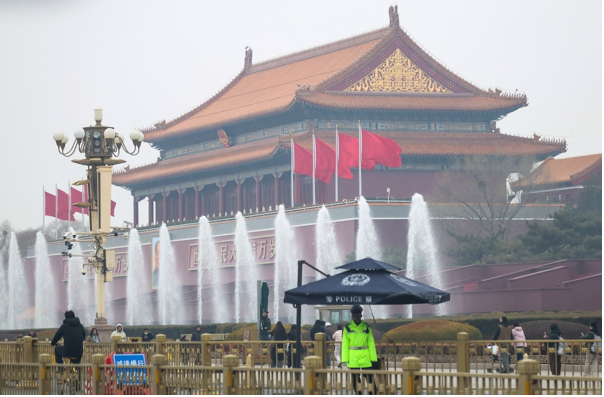
Credit: INP-WealthPk
متعلقہ مضامین