


INP-WealthPk
Lower debt servicing creates room for Pakistan’s development spending
July 06, 2026
By Farooq Awan
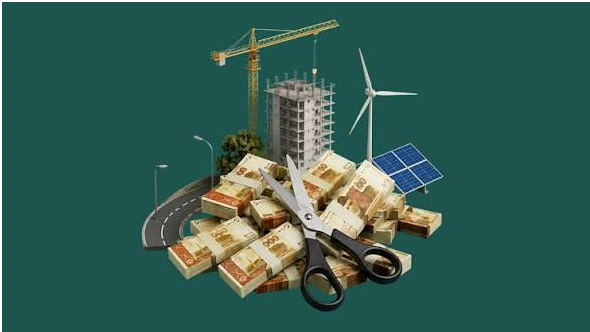
Pakistan's improved fiscal management is creating greater room for development spending, with a sharp decline in debt servicing costs enabling the government to maintain investment in priority sectors while reducing the overall budget deficit, according to the Finance Division.
The Monthly Economic Update & Outlook (June 2026) states that the government's fiscal consolidation strategy has focused on strengthening revenue collection, containing non-development expenditure and preserving funding for development projects to support long-term economic growth.
According to the report, total government expenditure declined by 9.9% to Rs11.62 trillion during July-April FY2025-26 compared with the corresponding period last year. The reduction was driven primarily by lower current expenditure rather than cuts in development programmes.
The report highlights that current expenditure fell by 10.3%, largely because mark-up payments on public debt declined by 21.9%. According to the Finance Division, the reduction in debt servicing costs reflects improving macroeconomic conditions and prudent fiscal management, easing pressure on the federal budget.
Despite tighter control over recurrent spending, the government continued to support development activities. The report notes that development expenditure increased by 1.2% during the reporting period, demonstrating the government's commitment to maintaining investment in infrastructure and other priority sectors while pursuing fiscal discipline.
According to the document, improved expenditure management was accompanied by stronger revenue performance. Net federal revenue increased by 5.8% to Rs8.60 trillion during July-April FY2025-26, while FBR tax collection rose by 9.7% during July-May, reaching Rs11.23 trillion. Higher revenues, together with expenditure restraint, helped improve the overall fiscal position.
The report states that these improvements enabled the government to narrow the overall fiscal deficit to 1.1% of GDP, compared with 3.2% of GDP during the same period last year. At the same time, the primary surplus increased to 3.5% of GDP, indicating stronger fiscal performance before interest payments on public debt.
According to the Finance Division, maintaining development expenditure while reducing non-development expenditure is central to the government's strategy to support economic growth without undermining fiscal sustainability. Continued investment in infrastructure, energy, agriculture and social sectors is expected to enhance productivity and improve long-term growth prospects.
The report adds that prudent expenditure management has also helped reduce the government's reliance on bank borrowing, allowing greater financial resources to become available for private sector lending and investment. This shift is expected to strengthen economic activity while supporting broader macroeconomic stability.
According to the Finance Division, sustaining fiscal discipline while protecting development spending will remain a key policy priority during FY2026-27. The report concludes that improving the quality of public expenditure, alongside continued revenue reforms, will help reinforce economic stability and create a stronger foundation for sustainable and inclusive growth.
Credit: INP-WealthPk