



INP-WealthPk

Pakistan's oilseed boom lifts edible oil output by 30% in FY26
July 06, 2026
By Azeem Ahmed Khan
Pakistan's oilseed sector has delivered one of its strongest performances in recent years, with edible oil production from major oilseed crops rising by 30% in 2025-26 despite only a modest 4% increase in cultivated area, reflecting significant improvements in crop productivity and a growing shift by farmers towards more profitable oilseed cultivation.
According to an official document available with Wealth Pakistan, the sharp increase in production was driven primarily by higher yields per acre rather than a substantial expansion in cultivated land. The report attributes the improvement mainly to rapeseed and mustard, as more wheat growers switched to oilseed cultivation, boosting both production and edible oil output.
The gains have translated into higher domestic edible oil production. Total local edible oil output reached 550,000 tons in 2025-26 from 474,000 tons in 2024-25 and 466,000 tons in 2023-24. Seed production from all major oilseed crops also increased to 2.667 million tons from 2.473 million tons a year earlier. At the same time, the cultivated area expanded to 6.634 million acres from 6.422 million acres last year.
Rapeseed and mustard emerged as the standout performers during the year. The area under the crop increased to 1.208 million acres from 1.053 million acres a year earlier. Seed production climbed to 614,000 tons from 469,000 tons, while edible oil production rose to 233,000 tons from 178,000 tons, making the crop the main driver of the sector's overall growth.
Cottonseed remained Pakistan's largest single source of locally produced edible oil. The crop produced 216,000 tons of edible oil from 1.800 million tons of seed harvested over 5.046 million acres. However, the report notes that cottonseed's contribution to total edible oil production has declined significantly. Its share has fallen to 40% from 55% in 2023-24 because of the continued reduction in cotton cultivation and production over the past two years.
Other oilseed crops also posted encouraging gains. Sunflower cultivation increased from 151,000 to 171,000 acres, while seed production rose from 97,000 to 123,000 tons. As a result, sunflower oil production increased to 49,000 tons from 39,000 tons last year.
Canola also strengthened its contribution to domestic edible oil supplies. The area under cultivation expanded from 171,000 to 209,000 acres, lifting seed production from 100,000 to 130,000 tons. Oil production from canola increased from 40,000 to 52,000 tons.
The report says the stronger performance demonstrates a notable improvement in productivity, as production growth has substantially outpaced the increase in cultivated area. It also highlights the growing role of rapeseed and mustard in diversifying Pakistan's edible oil basket and reducing reliance on a single crop.
Despite the encouraging production gains, the report notes that local edible oil production still accounts for only 10% of the country's total edible oil requirement because of the overall increase in demand and imports. However, if import substitution through sesame seed exports is taken into account, the share of locally produced edible oils increases to 13%, underlining the potential for strengthening domestic production.
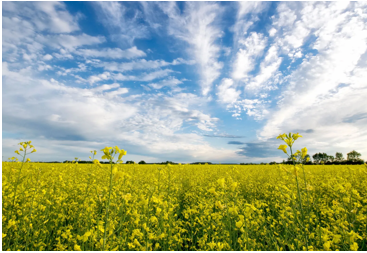
Credit: INP-WealthPk