


INP-WealthPk

Ministry recommends digital livestock traceability system to strengthen Pakistan’s exports
September 07, 2026
By Azeem Ahmed Khan
The government has been urged to develop an end-to-end digital livestock traceability system covering animal identification, movement, vaccination and disease surveillance to strengthen food safety, disease control and compliance with international export requirements.
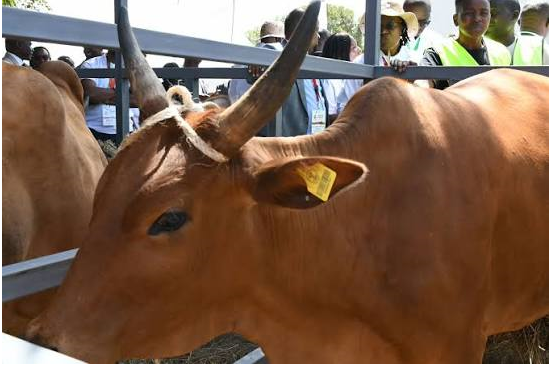
According to recommendations of the Ministry of National Food Security and Research available with Wealth Pakistan, a national digital traceability platform should be established to enable identification of animals and maintain records relating to their movement, vaccination and disease status.
The proposed system is intended to strengthen disease control and food safety while improving export certification and Pakistan's credibility in international livestock markets.
The recommendations identify inadequate traceability as one of the major constraints facing Pakistan's livestock sector, alongside low productivity, fragmented and informal value chains, disease risks, limited value addition, regulatory bottlenecks and insufficient integration with international markets.
An integrated identification and tracking mechanism would provide a framework to monitor animals across the livestock value chain, while linking movement records with vaccination and disease-surveillance information.
The proposed system would also complement efforts to strengthen national disease surveillance and early-warning mechanisms. Better availability of animal information could support monitoring of disease risks and improve the ability of relevant authorities to implement animal-health and biosecurity measures.
Traceability is vital for developing export-oriented livestock production systems, as recommended by industry experts. The documents envisage disease control, vaccination, biosecurity, traceability and animal-movement controls as interconnected elements required to improve the sector's export readiness.
The recommendations also place digital traceability within a wider effort to formalise Pakistan's livestock value chains, which remain fragmented and largely informal.
They call for expanding formal milk collection and chilling systems, strengthening refrigerated logistics, modernising livestock markets, improving accredited laboratory capacity and enforcing modern slaughter and food-safety standards.
Improved quality monitoring has also been recommended as part of the effort to make livestock value chains more transparent and capable of meeting domestic and international standards.
For exporters, a stronger traceability mechanism could help establish verifiable records covering animal health and movement, supporting certification and compliance with requirements in overseas markets.
The documents link these reforms with a broader transition of Pakistan's livestock sector from traditional production towards commercialisation, formalisation, value addition and export competitiveness.
The recommendations envision that improved disease control and traceability will enhance food safety and export compliance while driving animal productivity, farmer profitability and private investment.
Credit: INP-WealthPk
Related Articles