i BLOGS
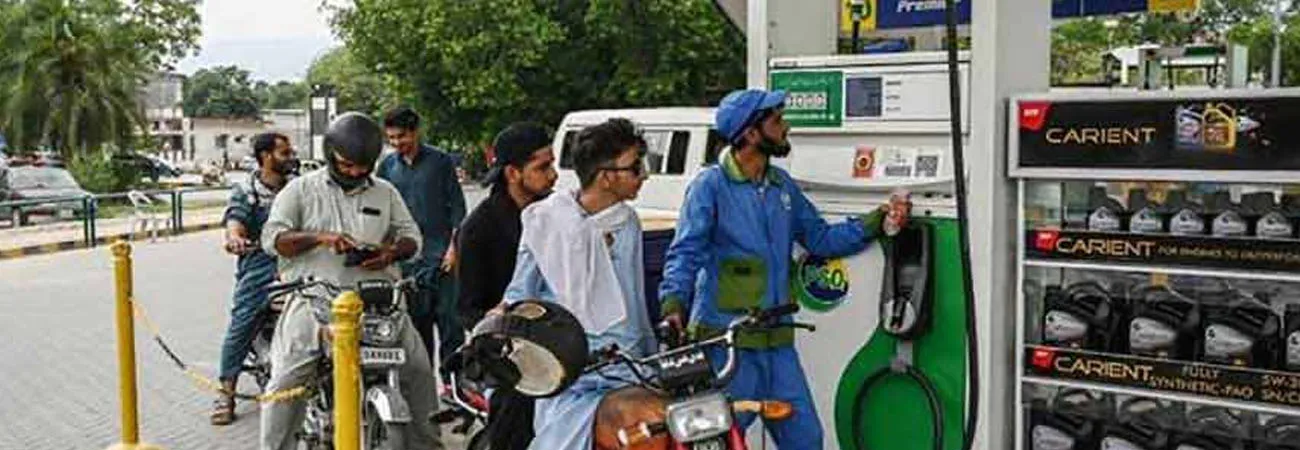
Bikers Get Rs 2,000, Citizens in Balochistan Pay Rs 280: Pakistan’s Fuel Relief PlanBreaking
April 07, 2026
Rising fuel prices in Pakistan have become a major concern for citizens, affecting daily life, transportation, and the overall cost of living. As petrol rates continue to fluctuate, the government is making efforts to provide relief and stabilize the situation, even if only to a certain extent.
One of the key initiatives comes from the Sindh government, which has introduced a petrol relief scheme aimed at supporting motorbike owners and public transport users. Under this program, registered motorbike owners will receive a subsidy of Rs 2,000. This move is particularly significant because motorcycles are one of the most common and affordable modes of transportation in the country. By encouraging proper vehicle registration and ownership transfers, the government is also trying to improve documentation and transparency.
In addition to supporting bikers, the Sindh government has taken steps to protect public transport users. By compensating transport operators for increased diesel costs, authorities have ensured that fares remain unchanged. This is a crucial decision, as millions of people rely on buses and vans for their daily commute, and any fare increase would directly impact their monthly expenses.
Meanwhile, in Balochistan, a different but equally important measure has been introduced. The provincial government has fixed the price of Iranian petrol at Rs 280 per liter. This step aims to prevent overcharging and bring stability to the local fuel market, where prices had previously surged due to informal trading practices.
Overall, these measures reflect the government’s attempt to balance economic pressure with public relief. While the rising cost of fuel remains a serious challenge, targeted subsidies and price controls show that efforts are being made to ease the burden on citizens. However, long term solutions will still be necessary to ensure sustainable economic stability.
Credit: Independent News Pakistan (INP)
Related News