


i BLOGS

How Pakistan Emerged as a Surprise Diplomatic Bridge in the U.S.-Iran Peace ProcessBreaking
July 01, 2026
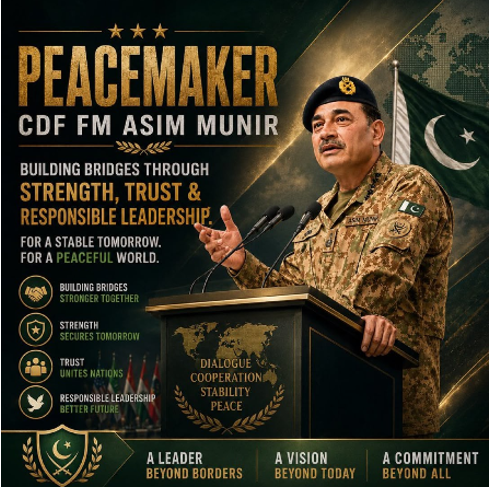
When two long-time adversaries choose dialogue over conflict, history often remembers the mediator as much as the negotiators. Now Pakistan has suddenly been thrust into that role, its diplomatic efforts attracting worldwide attention after it brokered talks between the US and Iran.
The breakthrough came after months of backchannel engagement aimed at easing tensions in the region. Pakistan’s Chief of Army Staff, Field Marshal Asim Munir, is believed to have been instrumental in opening channels of communication between Washington and Tehran and important talks in April in Islamabad paved the way for further discussions.
The diplomatic process culminated in the Islamabad Memorandum of Understanding electronically signed on June 17 by U.S. President Donald Trump and Iranian President Masoud Pezeshkian before being ratified by Prime Minister Shehbaz Sharif as mediator. The agreement provides a framework for a ceasefire, the reopening of the Strait of Hormuz and further discussions on regional security and Iran's nuclear program.
The development has triggered a flurry of discussions on social media, with many users’ praising Pakistan’s role in bringing two adversaries to the negotiating table. Supporters say the effort is a diplomatic coup that underscores Islamabad’s special ties to both Washington and Tehran.
Analysts warn, however, that an accord is just the first step. Big problems – sanctions, regional security, long-term commitments – remain unresolved, and recent tensions have already tested the fragile understanding. The long-term impact of the Islamabad initiative on peace will hinge on sustained diplomacy and cooperation among all concerned parties.
Credit: Independent News Pakistan (INP)
Related News