


i BLOGS

Podcaster Rehan Tariq sent on six days physical remand in blasphemy, cybercrime caseBreaking
July 09, 2026
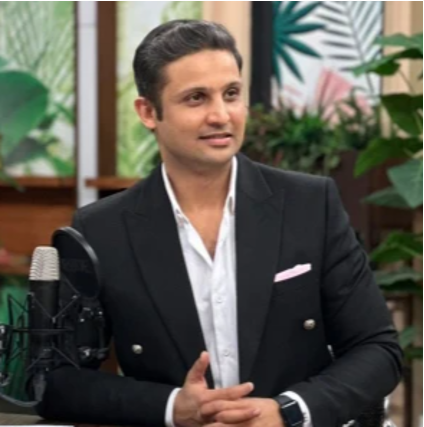
A Lahore magistrate’s court on Wednesday granted six-day physical custody of podcaster Rehan Tariq to the National Cyber Crime Investigation Agency (NCCIA), who was arrested in a case registered under the country’s blasphemy and cybercrime laws.
Podcaster Rehan Tariq’s arrest from Lahore’s Allama Iqbal International Airport has brought Pakistan’s troubled relationship with online speech into focus once again. Tariq is now detained on his return from the UK on charges under the blasphemy provisions of the Pakistan Penal Code and the Prevention of Electronic Crimes Act (PECA), setting the stage for another high-profile legal battle.
On Wednesday, a Lahore magisterial court had granted physical remand of the suspect to the National Cyber Crime Investigation Agency (NCCIA) for six days, giving investigators time to probe his digital devices and recover podcast recordings related to the case. Religious groups have approached them with complaints about allegedly controversial content including an interview with religious scholar Jawad Naqvi, authorities say.
The importance of this case is not only due to the charges but also due to the expanding ambit of cybercrime investigations in Pakistan. In recent years, digital platforms like podcasts and YouTube channels have emerged as potent arenas for religious, political, and social discussions. However, these platforms have also come under increasing fire from authorities and pressure groups.
Arrest is viewed as an issue of free expression and due process by Tariq’s supporters who chanted “Pakistan Zindabad” outside the district courts. Meanwhile, complainants argue content that affects religious sensitivities has to be dealt with under the law.
As the investigation continues, the case is likely to trigger an ongoing national debate: where to draw the line between freedom of expression and legal restrictions on digital content in Pakistan? The answer could have ramifications far beyond the fate of one podcaster.
Credit: Independent News Pakistan (INP)
Related News