i BLOGS
Trump’s Iran Warning: A Threat to Global Energy Stability; What if Iran Pushes back?Breaking
April 06, 2026
The global economy has been facing increasing pressure due to disruptions in energy supplies, particularly involving Iran’s oil exports. Restrictions and geopolitical tensions have led to reduced oil availability, pushing fuel prices higher across international markets. As oil remains a backbone of modern economies, this ripple effect is being felt in nearly every country, from developed nations to emerging economies like Pakistan.
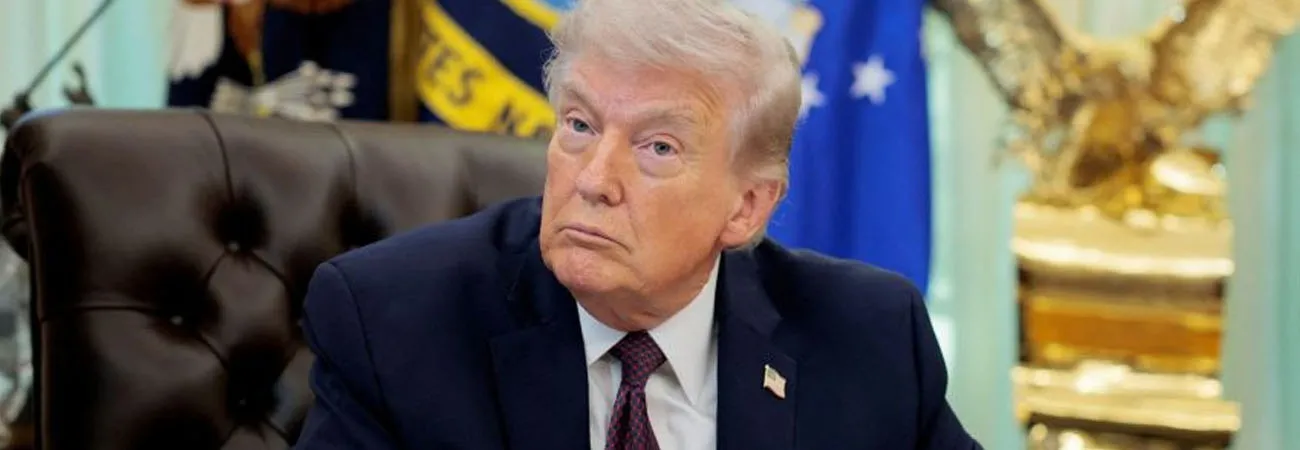
Recently, a controversial statement by former U.S. President Donald Trump reignited global debate. In a widely discussed social media post, he criticized current energy policies and suggested stricter measures against Iran, claiming it would strengthen U.S. dominance in global markets. The statement quickly drew mixed reactions supporters viewed it as a strong geopolitical stance, while critics argued it could further destabilize already fragile global energy dynamics.
One of the most immediate consequences of these tensions has been rising inflation. As fuel prices surge, transportation and production costs increase, which in turn raises the prices of everyday goods. For the average person, this means higher food costs, expensive utilities, and reduced purchasing power. Across many regions, families are struggling to meet basic needs, and economic uncertainty has become a constant concern. Businesses are also under immense strain. Many companies are being forced to scale down or shut operations entirely due to rising costs.
This has contributed to increasing unemployment, leaving millions without stable income. The global workforce now faces uncertainty, with job security becoming more fragile than ever before. The United States continues to play a central role in shaping these dynamics. Its policies, often aimed at maintaining global influence, can create ripple effects that impact economies worldwide. Countries like Iran face economic isolation, while nations dependent on imported energy including Pakistan experience severe financial stress.
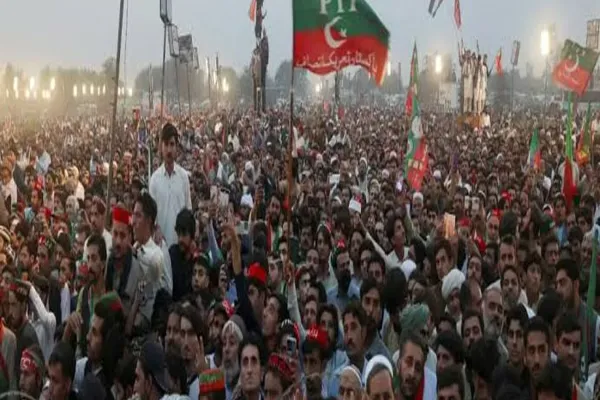
Pakistan, in particular, is struggling with inflation, currency devaluation, and energy shortages. The cost of living continues to rise, making survival increasingly difficult for the majority of people. This leads to a critical question: how long can the world endure such pressure? As power politics continue, it is ordinary people who suffer the most. Without cooperation and balanced policies, this cycle of crisis may persist, leaving the global population trapped in ongoing economic hardship.
Credit: Independent News Pakistan (INP)
Related News