


i BLOGS
Iran–US–Israel Conflict Escalates After Khamenei AssassinationBreaking
March 02, 2026
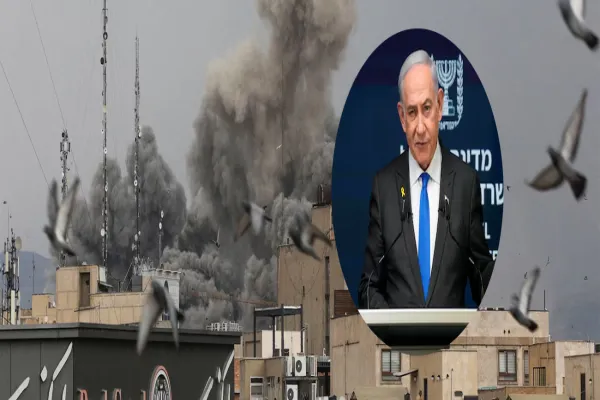
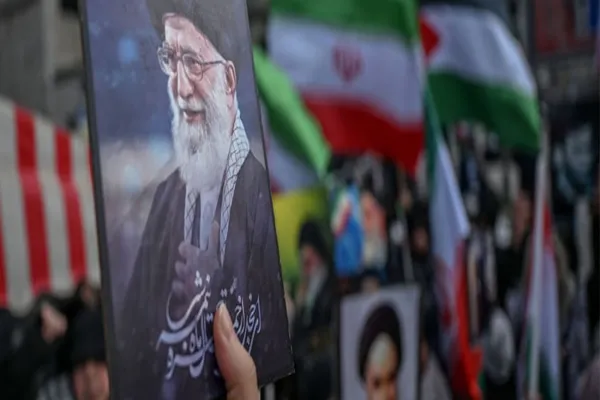
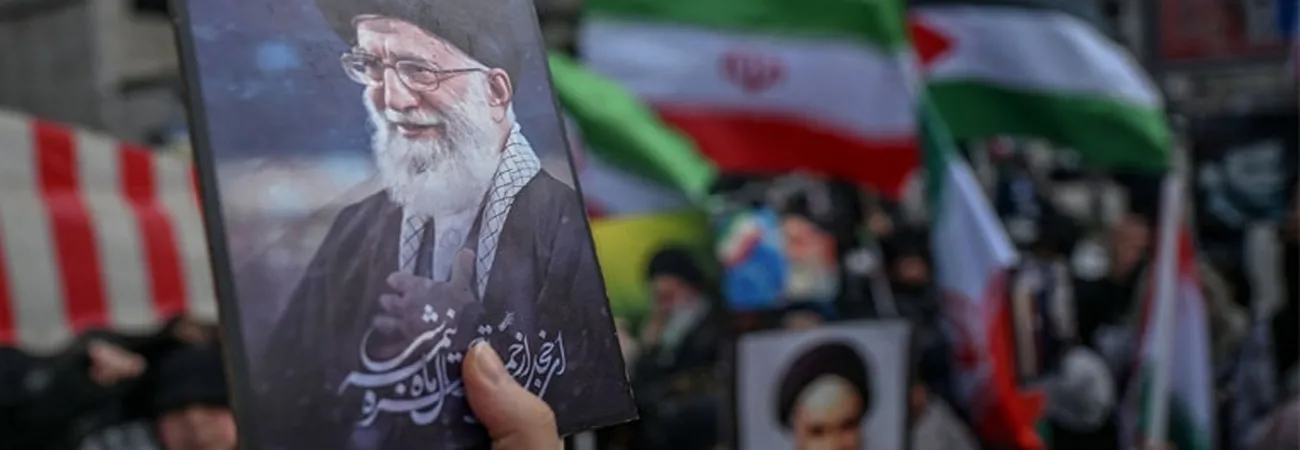
The Middle East crisis has sharply intensified after the assassination of Iran’s Supreme Leader Ali Khamenei in a coordinated U.S.–Israel military operation near Tehran. State media and international sources confirmed that Khamenei was killed along with other senior officials in joint strikes by the United States and Israel, marking one of the most significant escalations in the Iran–US–Israel conflict in decades.
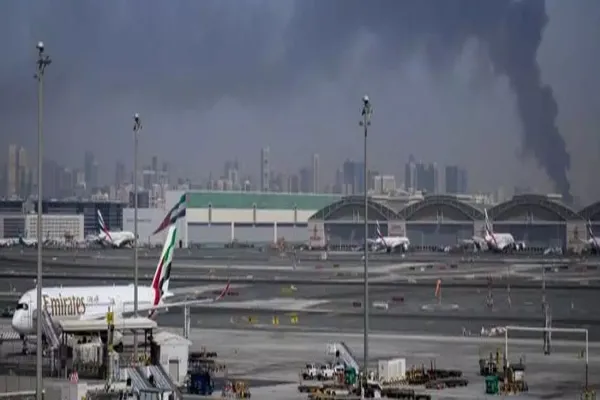
Iran’s government has framed the assassination as an “open declaration of war against Muslims,” and its president declared vengeance a national duty. Following the strike, Tehran launched multiple waves of ballistic missiles and drones toward Israel and U.S. military bases across the Gulf, including Qatar, the UAE, Kuwait, and Bahrain. Explosions have been reported in several cities, triggering widespread fear of further escalation.
In a dramatic expansion of hostilities, Iran-backed Hezbollah in Lebanon fired missiles toward northern Israel, prompting Israeli airstrikes against positions around Beirut. This represents a widening of the conflict beyond Iran’s borders.
The assassination and subsequent military actions have sparked unrest far beyond Iran. Protests erupted in countries such as Pakistan and Iraq, with violent clashes reported near the U.S. consulate in Karachi in which 23 killed and many are injured. Additionally, governments and global institutions are reacting with urgent diplomacy, while the UN held emergency discussions on the crisis.
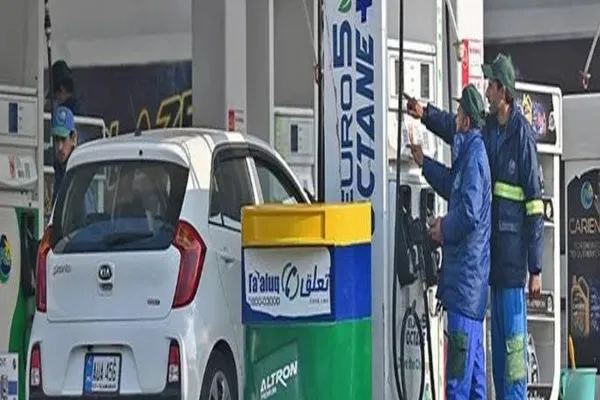
Oil markets have also been affected: Brent and WTI prices surged as disruptions in the Strait of Hormuz threatened global energy supplies, underlining the economic impact of the conflict.
What Happens Next?
Iran is now under a temporary leadership council as it prepares to choose a new supreme leader. Meanwhile, President Donald Trump has vowed to continue military pressure if Tehran escalates further, warning of unprecedented force against Iran’s aggression.
The question is What makes the United States confident enough to strike anywhere in the world without appearing to fear the consequences? In Venezuela, America captured President Maduro. In Libya, Gaddafi was executed after ditching the US dollar, in Iraq, Saddam Hussein was wiped out for his oil reserves. In Iran, Mohammad Mossadegh was ousted for nationalizing oil. Is America still the hero or just the most powerful villain?
The unfolding Iran–US–Israel conflict could redefine Middle Eastern geopolitics, with risks of broader war and long-term effects on global oil markets and international diplomacy.
Credit: Independent News Pakistan (INP)
Related News