


i BLOGS
Middle East Flight Suspensions: Latest Travel Updates Amid Escalating ConflictBreaking
March 02, 2026
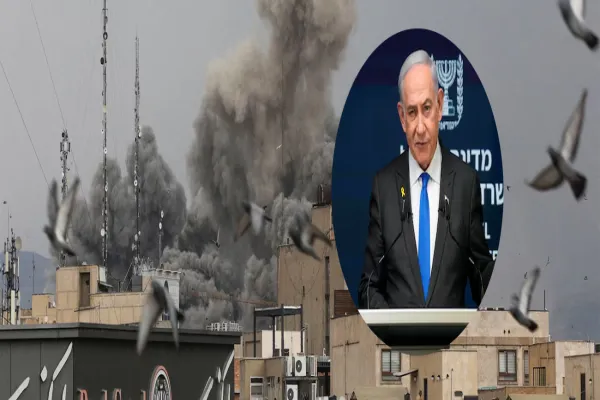
Air travel across the Middle East remains severely disrupted following U.S. and Israeli strikes on Iran and Tehran’s subsequent retaliation. With regional airspace closures expanding, airlines continue to cancel, delay, or reroute flights, leaving thousands of passengers stranded and long-haul travel significantly affected.
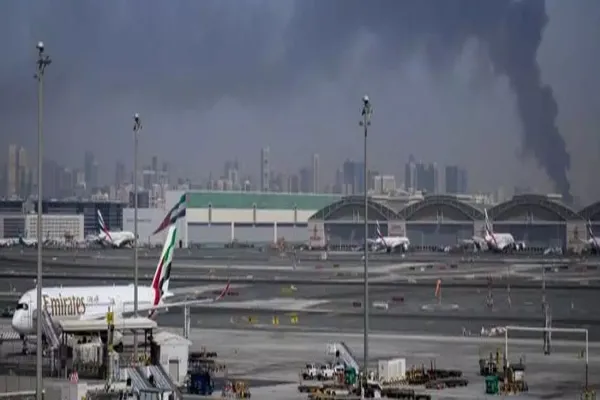
Major hubs including Tel Aviv, Dubai, and Doha have suspended operations either fully or partially due to security risks and restricted airspace. Airspace over Iran, Israel, Iraq, Qatar, Bahrain, Kuwait, and Syria remains closed, while the UAE and Saudi Arabia are operating under partial restrictions. As a result, flights between Europe and Asia are being diverted through alternative routes, including Saudi air corridors and the Caucasus region, leading to extended travel times.
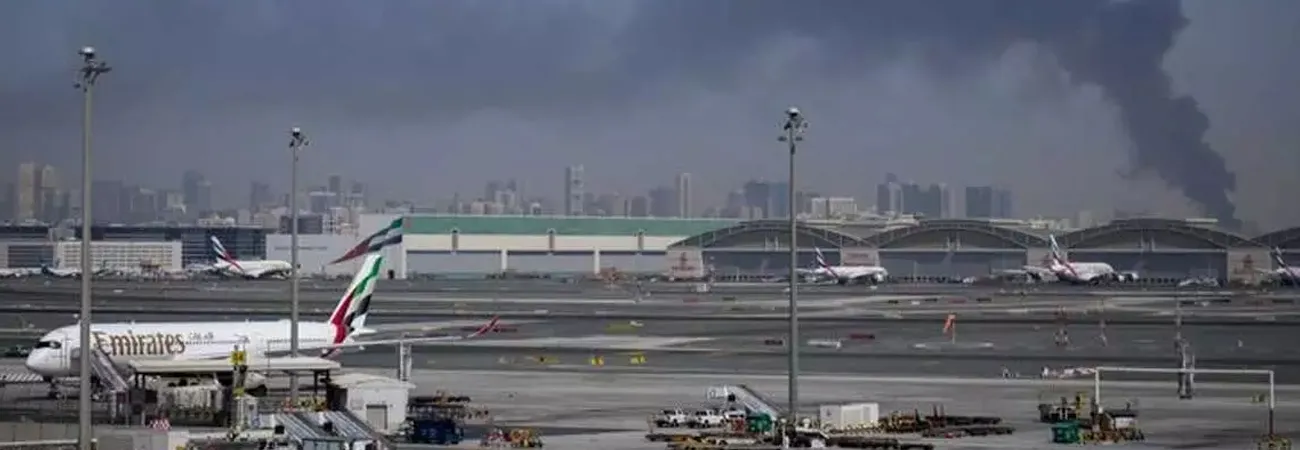
Several major airlines have issued suspension notices. Emirates temporarily halted operations in and out of Dubai due to airspace closures, while Etihad Airways suspended departures from Abu Dhabi. British Airways has cancelled flights to Tel Aviv and Bahrain for several days and warned that services between London Heathrow and key Middle Eastern destinations may continue to face disruption. Virgin Atlantic has also paused select routes and cautioned that flights to India, Saudi Arabia, and the Maldives could experience longer journey times due to rerouting.
Meanwhile, Qatar Airways confirmed that its operations remain suspended following the closure of Qatari airspace. Qatar’s defense authorities reported intercepting Iranian missiles, with explosions heard in Doha. The UAE and Kuwait have similarly reported missile and drone interceptions, while incidents near airport facilities have resulted in casualties and injuries.
The UK Foreign Office is advising against all but essential travel to Bahrain, Kuwait, Qatar, and the UAE. British nationals currently in the region have been urged to follow local authority guidance, with contingency evacuation planning reportedly under review. London’s Heathrow Airport has advised passengers to check directly with airlines before traveling.
As tensions persist, aviation authorities continue monitoring risks. With much of the region’s airspace still restricted, further postponements and cancellations remain likely in the coming days. Travelers are strongly encouraged to stay updated through official airline channels and government advisories before making travel arrangements.
Credit: Independent News Pakistan (INP)
Related News