INP-WealthPk

884km rail link planned to connect Chagai with national network
September 02, 2026
By Abdul Ghani
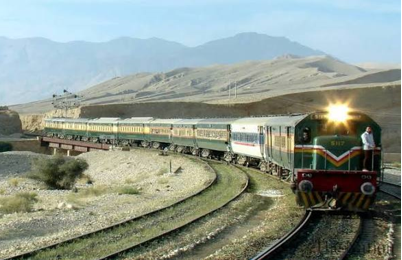
The Pakistani government is planning an 884-kilometre rail link between Rohri and Nokundi to connect the mineral-rich Chagai region of Balochistan with the national railway network, according to a document available with Wealth Pakistan.
The proposed project involves upgrading Main Line-3 (ML-3) from Rohri to Nokundi to connect the untapped mineral wealth of the Chagai range with Main Line-1 (ML-1) and the wider national railway network.
According to the project brief, Pakistan Railways and Reko Diq Mining Company (RDMC) began coordination on the project in 2023, including joint site visits and technical studies. RDMC subsequently engaged M/s Vecturis to undertake a detailed feasibility study.
The first meeting of the Pakistan Railways-RDMC technical, commercial, and legal working groups was held on July 19, 2024.
On August 8, 2025, the prime minister approved a bridge financing arrangement of USD390 million by RDMC for the project.
The PC-II for the detailed design of track upgradation was also approved on August 8, 2025, after which the procurement process was initiated to engage a design consultant.
The project brief states that the Rail Development and Bridge Financing Agreements relating to the Reko Diq Rail Connectivity Project were subsequently approved by the Economic Coordination Committee (ECC).
Progress has continued during 2026. During the second Steering Committee meeting held on March 30, 2026, RDMC conveyed that the project would enter a 12-month active management phase till June 30, 2027.
The project's PC-I was principally recommended by the Central Development Working Party (CDWP) on June 18, 2026, for approval by the Executive Committee of the National Economic Council (ECNEC).
The groundbreaking is expected in July 2027, subject to security arrangements.
The 884km Rohri-Nokundi section is key to unlocking the economic potential of the Chagai mineral belt and meeting the heavy logistics needs of major local mining projects.
However, the project remains in the preparatory and approval stages. Final approvals, detailed design, and security arrangements must be in place before physical construction can begin.
Credit: INP-WealthPk
Related Articles