



INP-WealthPk
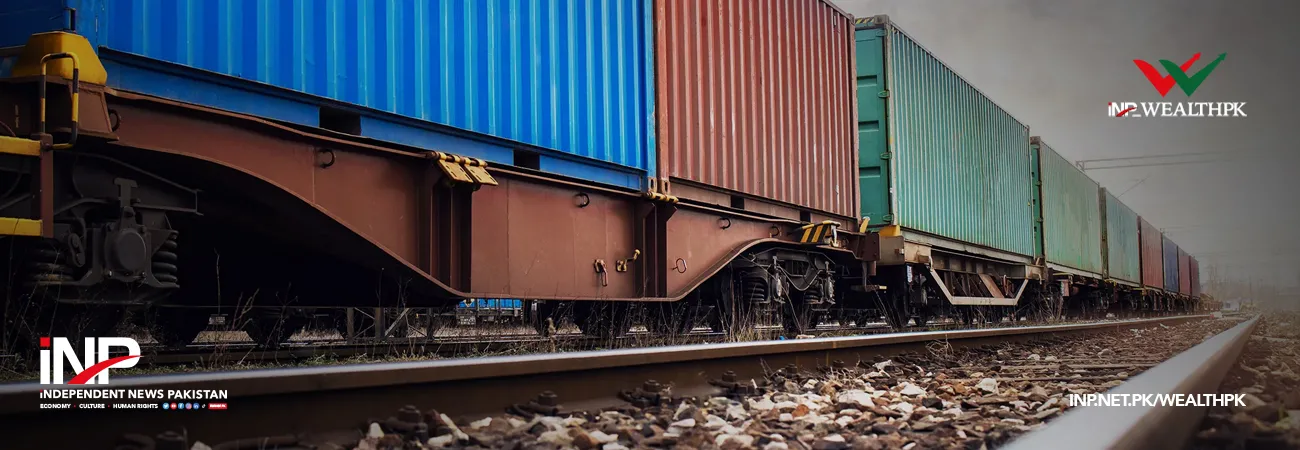
First multimodal cargo movement to Iran marks new step in Pakistan's regional trade
September 02, 2026
By Azam Tariq
The inaugural cargo shipment to Iran under a multimodal logistics arrangement has launched, signalling Pakistan's efforts to strengthen cross-border trade and regional connectivity, according to a transport industry expert.
The development comes as Pakistan and Iran move to improve bilateral trade facilitation. At their Joint Trade Committee meeting on August 5, the two countries agreed to strengthen customs coordination, transport, logistics and border infrastructure to facilitate smoother movement of commercial cargo.
Speaking to Wealth Pakistan, Rana Asif Khan, Founder and President of International Road Transport Chamber, said the first cargo movement provided a practical example of how integrated logistics could support Pakistan's cross-border trade.
He said multimodal cargo arrangements allow goods and containers to move through different modes of transport under a more integrated logistics system, reducing the need for separate procedures and documentation at different stages of the journey.
"It has essentially added a new layer to cross-border trade," Asif said.
He said simplifying cargo movement between different transport modes could reduce transportation time and costs for businesses and make cross-border logistics more efficient.
The development is a crucial step in Pakistan's push to strengthen trade connectivity with Iran and, in the longer term, other regional markets, including Central Asian countries.
Asif said Pakistan's geographical position provided opportunities to develop stronger logistics links between domestic commercial centres, border crossings, ports and regional markets.
He said the multimodal model, currently centred on Karachi, could eventually be extended to other major commercial and logistics centres, helping create a wider network for regional cargo movement.
Greater integration of transport modes, he said, would enable businesses to choose more efficient combinations for moving goods depending on destination, cost and delivery requirements.
The Pakistan-Iran Joint Trade Committee discussions provide a broader policy context for such connectivity. The two sides' emphasis on customs coordination, transport, logistics and border infrastructure reflects the importance of reducing procedural and physical constraints affecting bilateral cargo movement.
Asif said stronger coordination between transport operators, customs authorities and other institutions involved in cross-border trade would be important for expanding multimodal cargo operations.
Improved documentation and smoother movement between different transport modes could also make Pakistani trade routes more competitive by reducing delays and logistics costs, he added.
The first multimodal cargo movement to Iran therefore provides an early practical step in the development of more integrated cross-border logistics. Wider use of such arrangements, supported by streamlined procedures and stronger transport connectivity, could help Pakistan deepen trade links with Iran and strengthen its connections with wider regional markets.
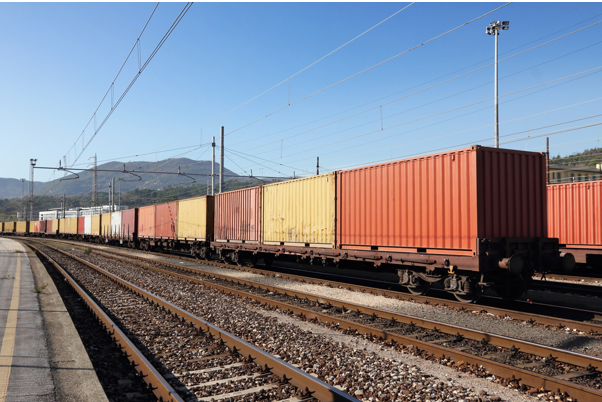
Credit: INP-WealthPk
Related Articles