



INP-WealthPk

EIB funding expected to strengthen Pakistan’s climate resilience efforts
May 18, 2026
By Hasan Salahuddin
The European Investment Bank (EIB)’s renewed engagement with Pakistan is expected to strengthen the country’s long-term climate resilience agenda, with its recent €160 million financing package offering support for flood-resilient housing reconstruction in Sindh and clean-water infrastructure in Karachi.
The development reflects growing international backing for Pakistan’s climate adaptation efforts and highlights increasing attention to rebuilding vulnerable communities through sustainable and resilient infrastructure models.
Under the financing package announced by EIB Global, €100 million has been allocated for Sindh’s flood housing reconstruction programme, while another €60 million will support Karachi’s water infrastructure.
The housing component feeds into what the bank describes as the world’s largest ongoing reconstruction programme, aimed at rebuilding around 2.1 million rural homes damaged during the devastating 2022 floods. According to the bank, the programme carries a total cost of nearly $2 billion and targets approximately 40 percent of rural households across Sindh.
Meanwhile, the water-sector investment will support the development of two energy-efficient filtration plants for the Karachi Water and Sewerage Corporation at Gharo and Pipri. The facilities are expected to supply nearly 300 million litres of clean drinking water daily to around 2.2 million residents in Karachi, a city with a population exceeding 20 million.
The financing agreements were announced during the European Union–Pakistan Business Forum in Islamabad under the framework of the EU’s Global Gateway strategy.
Pakistan continues to face a significant reconstruction challenge following the 2022 floods. According to the Post-Disaster Needs Assessment, the disaster caused damages worth $14.9 billion and economic losses of $15.2 billion, while recovery and rehabilitation needs were estimated at $16.3 billion.
Housing remained the most severely affected sector, suffering damages of approximately $5.6 billion and economic losses of $636 million. Sindh bore the largest burden, accounting for nearly 68 percent of total damages and losses nationwide.
Water shortages in Karachi continue to place pressure on urban infrastructure and public services. Various assessments indicate a widening gap between supply and demand, creating growing concerns over sustainable water access for the city’s expanding population.
Experts believe the EIB financing package could play a meaningful role in advancing broader efforts to strengthen climate-adaptive development and improve living conditions for vulnerable communities.
Speaking with Wealth Pakistan, Dr. Basharat Hasan Bashir, CEO of NAMF-USA Pakistan Chapter, said the EIB-backed programme could help move Sindh’s recovery process beyond immediate reconstruction needs and encourage a more resilience-focused approach.
He said adopting standardised reconstruction protocols could help transform flood-affected housing into a national model for “Build Back Better” planning, particularly for communities regularly exposed to floods, heatwaves and other climate-related risks.
Regarding water security, Dr. Bashir said investment in filtration infrastructure could improve access to energy-efficient and climate-resilient water systems, reducing pressure on existing urban networks and supporting long-term sustainability.
He further noted that resilient infrastructure safeguards vulnerable communities from repeated economic losses caused by climate-related disasters, helping reduce the cycle of poverty often associated with recurring environmental shocks.
He also described EIB’s return as an important signal for international investors, saying participation by major development institutions can strengthen confidence in Pakistan’s green investment potential.
Naseer Memon, Senior Advisor of Water Governance at the Sustainable Development Policy Institute (SDPI), also viewed the investment as a significant step toward improving public welfare.
He said financial support for climate-resilient housing and clean drinking water infrastructure could improve the lives of hundreds of thousands of people, particularly in vulnerable and underserved communities.
Memon noted that resilient housing provides long-term protection against flood risks, while improved access to clean drinking water helps reduce health risks and disease burdens.
He further suggested that resilient settlements should also be linked with community-managed drinking water systems to strengthen public health resilience and improve overall community sustainability.
The EIB’s renewed engagement with Pakistan is regarded as more than a financing initiative, with stakeholders viewing it as an opportunity to integrate climate resilience into broader development planning and strengthen the foundations for sustainable growth.
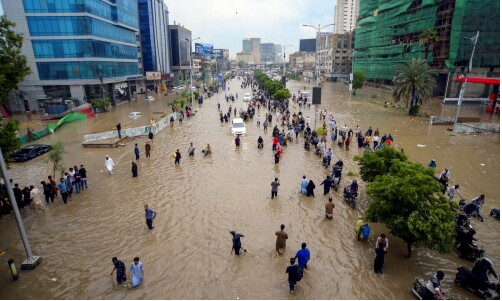
Credit: INP-WealthPk
Related Articles