INP-WealthPk
Pakistan’s industrial recovery gains pace as LSM grows 6.5pc
May 18, 2026
By Ayesha Saba
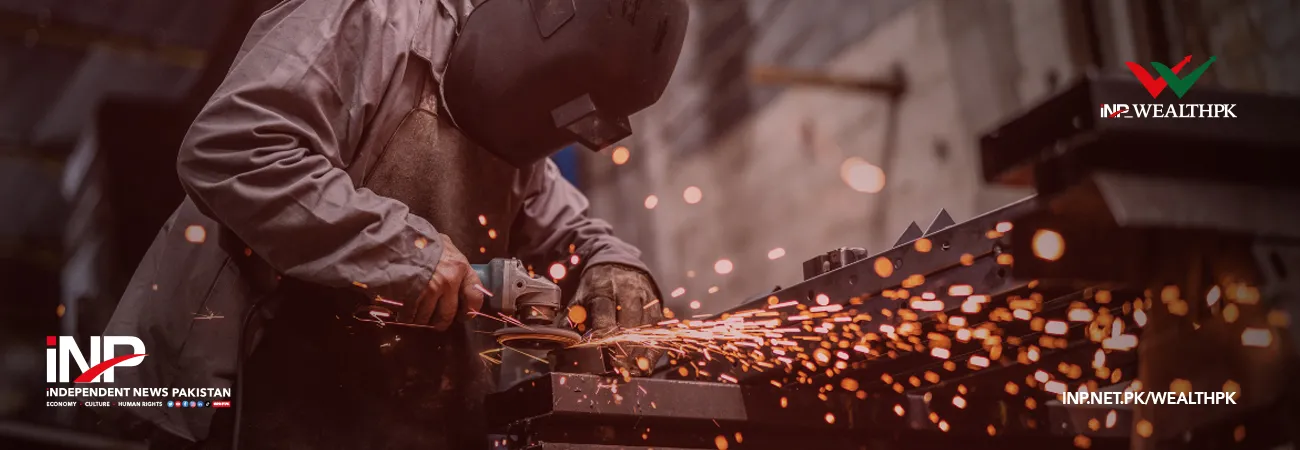
Pakistan’s large-scale manufacturing sector staged a strong recovery during FY2025-26, signalling improving industrial activity despite rising external pressures and higher energy costs, according to the Ministry of Planning’s Monthly Development Update for May 2026.
The report stated that Large-Scale Manufacturing (LSM) expanded by 6.5 percent during July-March FY2025-26 compared with a contraction of 1.9 percent in the same period last year.
The recovery was supported by broad-based growth across 15 of 22 industrial sectors.
Automobile production emerged as one of the strongest performers, recording growth of 61.6 percent during the review period. Other major contributors included coke and petroleum products with 10.9 percent growth, electrical equipment at 11.9 percent, food products at 9.8 percent, beverages at 7.7 percent and non-metallic mineral products at 8.2 percent.
Textiles, Pakistan’s largest manufacturing industry, also returned to positive territory with 0.8 percent growth, while wearing apparel expanded 6.6 percent.
The report noted that the Quantum Index of Manufacturing increased to 123.0 during July-March FY2025-26, reflecting broader industrial stabilization after prolonged weakness in recent years.
The recovery in manufacturing also strengthened construction-linked sectors.
Cement dispatches rose 9.8 percent to 42.4 million tons during July-April FY2025-26, indicating improving domestic demand and investment activity.
The industrial rebound comes at a time when Pakistan’s broader economy is gradually stabilizing following years of high inflation, import restrictions and external financing stress.
According to the report, GDP growth accelerated to 3.8 percent during the first half of FY2025-26, compared with 1.9 percent in the corresponding period last year. Industrial growth reached 8.1 percent, while services expanded 3.1 percent.
The improvement in industrial activity also supported lending in the banking sector.
Credit to private businesses increased to Rs 10.79 trillion by April 24, 2026, up 12.7 percent from Rs9.57 trillion a year earlier.
Despite the recovery, the report noted that external-sector pressures remain a challenge for manufacturing industries.
Imports of goods and services increased 8.3 percent to $56.3 billion during July-March FY2025-26, driven partly by higher energy imports and stronger demand for capital and intermediate goods.
At the same time, rising global oil prices linked to the Middle East conflict increased transportation and production costs during April 2026. Headline inflation accelerated sharply to 10.9 percent in April from 0.3 percent a year earlier.
The report stated that higher fuel costs, transport charges and energy tariff adjustments contributed to broader inflationary pressures across the economy.
Still, the government maintained that economic stabilization momentum largely continued during July-April FY2025-26 despite external shocks and fiscal constraints.
The development outlook presented in the report emphasized continued fiscal discipline, efficient resource utilization and stronger implementation capacity to sustain industrial recovery and medium-term growth.
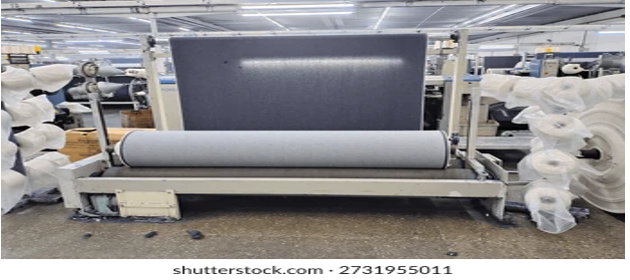
Credit: INP-WealthPk
Related Articles