


INP-WealthPk

Exchange rate stability improved in 2025 on stronger reserves
May 11, 2026
By Hasan Salahuddin
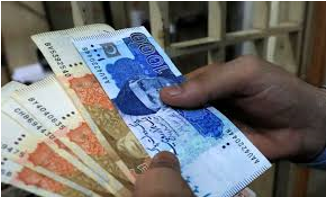
Pakistan’s exchange rate remained broadly stable in 2025 as foreign exchange reserves strengthened and external sector pressures eased, according to the Financial Stability Review 2025 released by the State Bank of Pakistan (SBP).
The report indicates that higher reserve levels, supported by strategic purchases from the interbank market, helped stabilize the rupee against the US dollar during the year. This stability came despite a widening trade deficit, as strong financial inflows, particularly workers’ remittances, helped offset external pressures and supported the balance of payments.
The SBP noted that stability in the foreign exchange market was a result of coordinated macroeconomic policies and improved confidence in the economy. Fiscal consolidation, prudent monetary policy, and continued engagement with international financial institutions have helped strengthen external buffers and reduce volatility in the currency market.
Exchange rate stability played a key role in easing inflationary pressures by limiting the pass-through of imported inflation into the domestic economy. With global commodity prices moderating and the rupee remaining relatively stable, the impact of external price shocks on domestic inflation remained contained during the year.
The report also highlights that improved foreign exchange reserves enhanced the central bank’s ability to manage market conditions effectively. By building reserves through market-based interventions, the SBP was able to support liquidity in the foreign exchange market and maintain orderly trading conditions.
In addition, stable exchange rate conditions improved investor sentiment and reduced uncertainty for businesses. Predictable currency movements are particularly important for importers and exporters, as they enable better planning and reduce the risks associated with exchange rate fluctuations.
The strengthening of external buffers was further supported by progress under the International Monetary Fund programme, which helped unlock external financing and improve confidence among international investors. These developments contributed to a reduction in country risk premiums and supported stability in financial markets.
The report notes that while the exchange rate remained stable, external vulnerabilities have not been fully eliminated. Factors such as global commodity price volatility, geopolitical tensions, and shifts in international financial conditions could still affect the currency outlook if they intensify.
Sustaining exchange rate stability will depend on continued efforts to strengthen the external sector, maintain adequate reserve levels, and ensure policy consistency. A stable currency environment remains critical for controlling inflation, supporting trade, and maintaining overall macroeconomic stability.
Credit: INP-WealthPk
Related Articles