


INP-WealthPk

Global sourcing shift opens new export opportunities for Pakistan's textile industry
July 13, 2026
By Qudsia Bano
Global apparel and textile buyers are increasingly diversifying their sourcing networks to build more resilient supply chains, creating an opportunity for Pakistan's textile industry to expand exports if it can improve competitiveness, policy stability and compliance with evolving international standards.
Geopolitical uncertainty, changing trade policies and increasingly stringent sustainability and compliance requirements are encouraging international brands to reduce dependence on a limited number of sourcing destinations. Instead, buyers are adopting multi-country procurement strategies to improve supply-chain resilience, reduce risks and enhance operational flexibility.
The latest US Fashion Industry Association (USFIA) Fashion Industry Benchmarking Study shows that nearly 60% of leading US fashion companies sourced from at least 10 countries in 2025, while more than half plan to invest further in supply-chain traceability and transparency over the next two years.
The shift is also reflected in broader industry trends. According to McKinsey & Company's State of Fashion 2026 report, fashion brands are redesigning sourcing strategies to strengthen operational resilience amid geopolitical uncertainty, evolving trade policies and changing regulatory requirements, while placing greater emphasis on sustainability, supplier transparency and supply-chain diversification.
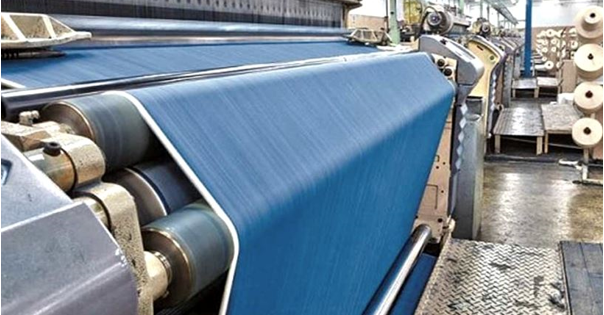
Pakistan enters this changing sourcing environment from a position of relative strength. According to provisional data released by the Pakistan Bureau of Statistics (PBS), the country's textile group exports reached approximately US$16.7 billion during July-May FY2025-26, maintaining the sector's position as Pakistan's largest export earner. Value-added segments, including knitwear, readymade garments, bedwear and towels, remained the principal contributors to export earnings.
Recent trade data also point to improving export momentum. PBS figures show Pakistan's overall exports increased to US$2.69 billion in May 2026 from US$2.47 billion in April, with value-added textile products accounting for much of the monthly increase. Knitwear, readymade garments and bedwear all recorded month-on-month growth during the period.
Industry experts believe the changing sourcing landscape presents Pakistan with an opportunity to strengthen its position as a reliable manufacturing partner rather than competing solely on low production costs. They say global buyers are increasingly prioritising supply-chain resilience, product quality, traceability, environmental compliance and timely delivery alongside competitive pricing.
Speaking with Wealth Pakistan, Areeba Masood, Assistant Manager of Marketing at the Pakistan Textile Exporters Association (PTEA), said Pakistan possesses the industrial capacity to significantly expand textile exports if exporters operate within a stable and supportive policy environment.
She said consistent government policies, competitive energy prices, faster tax refund mechanisms and improved access to affordable finance remain essential for enabling exporters to capitalise on emerging opportunities in global markets.
According to Masood, strengthening the entire textile value chain—from cotton production to value-added garment manufacturing—would improve Pakistan's ability to respond to changing international demand while enhancing overall export competitiveness.
Muhammad Bilal, Project Coordinator at the Pakistan Textile Exporters Association, told Wealth Pakistan that supporting small and medium-sized enterprises (SMEs) will be equally important as global sourcing patterns continue to evolve.
He said SMEs form the backbone of Pakistan's textile industry but continue to face liquidity constraints, rising production costs and limited access to affordable financing.
Bilal said addressing these structural challenges would enable smaller exporters to participate more effectively in international supply chains. He stressed that maintaining consistent product quality, ensuring timely deliveries and complying with international environmental and social standards will be critical to securing long-term business from global buyers seeking diversified sourcing networks.
Experts believe the ongoing shift towards diversified sourcing presents Pakistan with a timely opportunity to strengthen its position in global textile supply chains. However, they say long-term success will depend less on low production costs and more on sustained policy support, higher productivity, technological upgrading, environmental compliance, supply-chain transparency and reliable delivery—qualities that are becoming increasingly important to international apparel brands.
Credit: INP-WealthPk
Related Articles