




INP-WealthPk

Punjab to train 90,000 students in market-relevant skills
July 13, 2026
By Abdul Ghani
Punjab is set to train around 90,000 students in market-relevant skills under the Rs100 million Improving Workforce Readiness in Punjab Project, according to an official document available with Wealth Pakistan.
The project aims to bridge the gap between technical education and labour market demand by offering training programs based on a skills-mapping study. The initiative is designed to ensure that students receive practical, industry-relevant training rather than conventional courses with limited employment value.
According to the document, the project is on track to achieve its key deliverables, including the upgradation of 19 technical and vocational institutes into Centres of Excellence. These include 16 TEVTA institutes and three PVTC institutes.
The upgraded institutes will train 37,000 students in eight priority economic sectors: automotive, information and communication technology, tourism, food processing, textile, construction, health, and light engineering.
The project began on February 15, 2023, and is scheduled to continue until August 31, 2029.
A key feature of the initiative is the provision of market-based training to around 90,000 students, which is expected to improve employability among young people and support Punjab’s industrial and services sectors.
The document also highlights the upgradation of Technical and Vocational Education and Training (TVET) management and Labour Market Information Systems to improve the quality and timeliness of information available to TVET sector planners and stakeholders.
The labour market information system is expected to help policymakers, training institutes, and industry representatives identify skills gaps more accurately and design training programmes according to the actual market needs.
Punjab’s economy requires a steady supply of trained workers in sectors such as ICT, construction, textile, healthcare, light engineering, and food processing. However, outdated training models and weak industry linkages have often limited the employability of vocational graduates.
The workforce readiness project seeks to address this issue by linking training with market demand and improving the capacity of selected technical institutes.
The success of the project will depend on effective implementation, updated curricula, qualified trainers, and strong coordination with industry. If implemented properly, the project could help Punjab develop a more skilled workforce, reduce youth unemployment, and boost productivity in priority sectors.
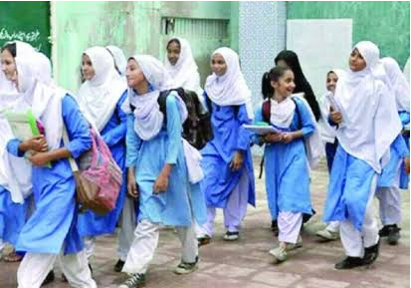
Credit: INP-WealthPk
Related Articles


