




INP-WealthPk

Pakistan banks on new seed varieties, biotech policy to revive cotton sector
July 13, 2026
By Moaaz Manzoor
Pakistan is pushing a cotton revival plan built around improved seed varieties, biotechnology, action against fake seed companies and institutional reforms, as the country seeks to restore productivity in a crop closely tied to farmers’ incomes and the textile value chain.
According to official documents from the Ministry of National Food Security and Research, available with Wealth Pakistan, scientists at the Pakistan Central Cotton Committee developed and sought approval of 11 improved cotton varieties from the Punjab and Sindh seed councils during 2021-2025.
These varieties carry traits such as high yield potential, heat and drought tolerance, resistance to bollworm and Cotton Leaf Curl Virus, early and uniform maturity, and superior fibre quality. The development is significant because cotton productivity has become increasingly dependent on seed quality, pest resistance and climate resilience.
A major policy development mentioned in the documents is the approval of the National Agriculture Biotechnology Policy. The policy provides a framework for the development, evaluation, regulation and commercialisation of biotechnology products and genetically modified crops in line with internationally accepted biosafety standards.
The documents state that the policy is expected to support the development of high-performing genetically modified cotton varieties with resistance to pests and diseases, tolerance to heat and drought stress, better fibre quality and higher yield potential. For farmers, the practical value of such reforms will depend on whether approved varieties are made available through reliable seed systems and supported by strong field-level regulation.
The ministry documents also point to action against the illegal seed trade. Around 391 fake seed companies involved in the production and marketing of uncertified and fraudulent seed were banned. The move is important because poor-quality and uncertified seed can directly affect crop yields, farmer returns and the reliability of cotton supply for the domestic value chain.
In another capacity-building step, more than 1,000 agriculture graduates have been sent to China for specialised training in advanced agricultural technologies, including biotechnology, precision agriculture, mechanisation, seed systems and climate-smart agriculture.
The documents further show that the Pakistan Central Cotton Committee maintains the country’s largest living herbarium of cotton wild relatives at the Central Cotton Research Institute, Multan, comprising 24 cultivated and wild Gossypium species. This genetic resource is described as important for developing future cotton varieties with resistance to insect pests and diseases, improved tolerance to drought and heat stress, and greater adaptability to climate change.
To strengthen the institutional framework for cotton research and development, the 6th meeting of the Cabinet Committee on Essential/Cash Crops on the revival of the cotton sector, chaired by the Deputy Prime Minister on October 22, 2025, directed the restructuring of the PCCC to improve governance and performance.
The meeting also called for the assignment of Cotton Cess collection to the Federal Board of Revenue, the revision of the Cotton Cess rate to ensure sustainable financing, and the adoption of necessary legal and administrative measures by the Ministry of National Food Security and Research in consultation with stakeholders.
The PCCC, established under the Cotton Cess Act, 1923, is the national institution responsible for cotton research, development and promotion in Pakistan. Through its constituent research institutes, including the Central Cotton Research Institute in Multan and the Central Cotton Research Institute in Sakrand, it supports cotton research and development.
Following the 18th Constitutional Amendment, crop production, agricultural extension and cess management became provincial responsibilities. However, the federal government continues to play a role in policy formulation, research coordination, institutional strengthening and human resource development to support the cotton sector.
The documents suggest that Pakistan’s cotton revival will depend not only on developing new varieties, but also on cleaning up the seed market, improving research financing and ensuring that biotechnology and institutional reforms reach farmers. For the textile-linked economy, the real test will be whether these measures translate into higher productivity, better fibre quality and a more reliable domestic cotton supply.
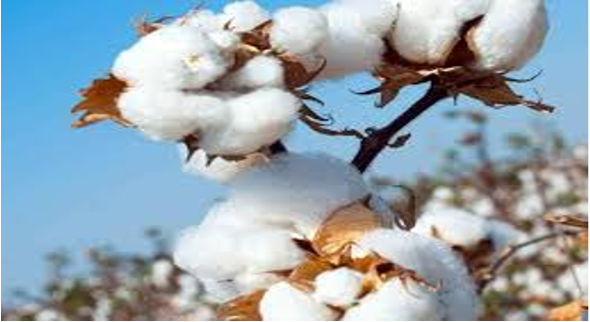
Credit: INP-WealthPk
Related Articles


