


INP-WealthPk

Pakistan unveils broad CPEC expansion plan for FY2026-27
July 03, 2026
By Azeem Ahmed Khan
Pakistan plans to advance the next phase of the China-Pakistan Economic Corridor (CPEC) in FY2026-27 through major initiatives in transport networks, industrial expansion, digital transformation, mining, energy, science and technology, regional connectivity, and socio-economic development.
According to the Annual Plan 2026-27 available with Wealth Pakistan, the government plans to align the revised CPEC Long-Term Plan with the framework of CPEC 2.0, incorporating five new corridors covering growth, innovation, green development, livelihoods, and regional connectivity. The updated roadmap will also expand cooperation in digital technologies, space research, education, and vocational exchanges.
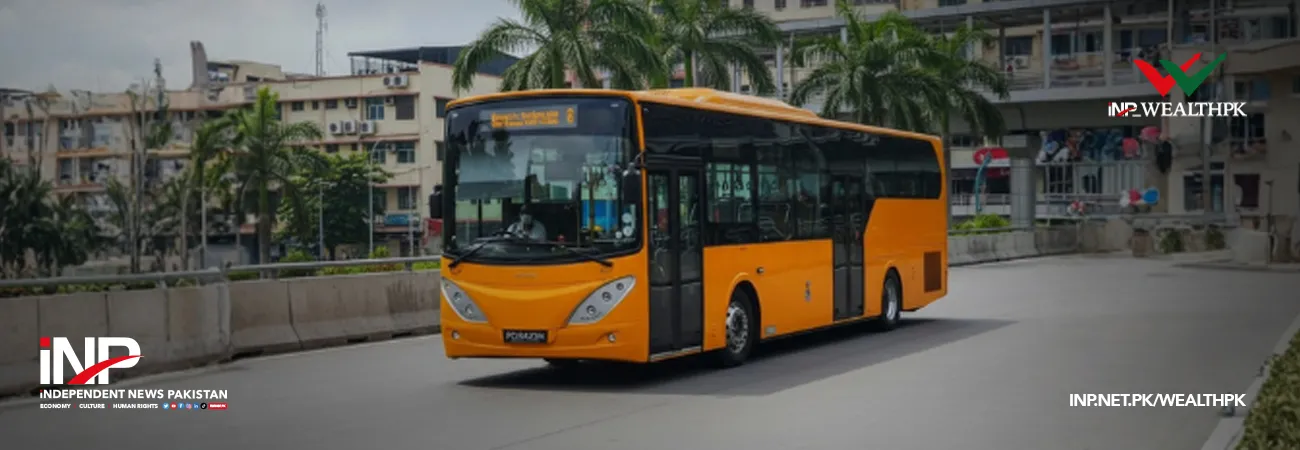
Transport and logistics infrastructure will remain a central pillar of CPEC. The upgradation of Main Line-1 (ML-1) railway and the Karakoram Highway realignment project will remain strategic priorities, alongside feasibility studies for several major road projects.
The New Gwadar International Airport will be a key focus area during FY2026-27, with plans to launch domestic and international routes, strengthen integration with port operations, and enhance air cargo services, reinforcing Gwadar's emergence as a multimodal trade gateway connecting South Asia, Central Asia, the Middle East, and beyond.
Gwadar is projected to play a pivotal role in the next phase of CPEC. Work is expected to advance on Eastbay Expressway Phase-II, the Gwadar Safe City Project, and the 300MW Gwadar Coal Power Plant. At the same time, authorities aim to accelerate the commercialization of Gwadar Port and Free Zones by attracting industrial relocation, boosting maritime trade and expanding logistics activity.
The proposed Mining and Mineral Corridor linking Gwadar and Nokundi is also expected to move forward through a joint feasibility study, supporting the development of Balochistan's mineral resources.
Industrial cooperation is expected to gain further momentum through the operationalization and marketing of Rashakai, Allama Iqbal Industrial City, Dhabeji, and Bostan SEZs. Authorities plan to attract domestic and foreign investors through roadshows and investment outreach programs.
Progress is also expected on the proposed Karachi Industrial Park, Islamabad Model SEZ and Moqpondass SEZ in Gilgit-Baltistan, while commercial sales at Dhabeji SEZ are anticipated to begin during the year to accelerate investment mobilization.
The energy sector agenda will focus on efficiency and conservation measures to improve system performance, reduce losses, and promote sustainable energy use.
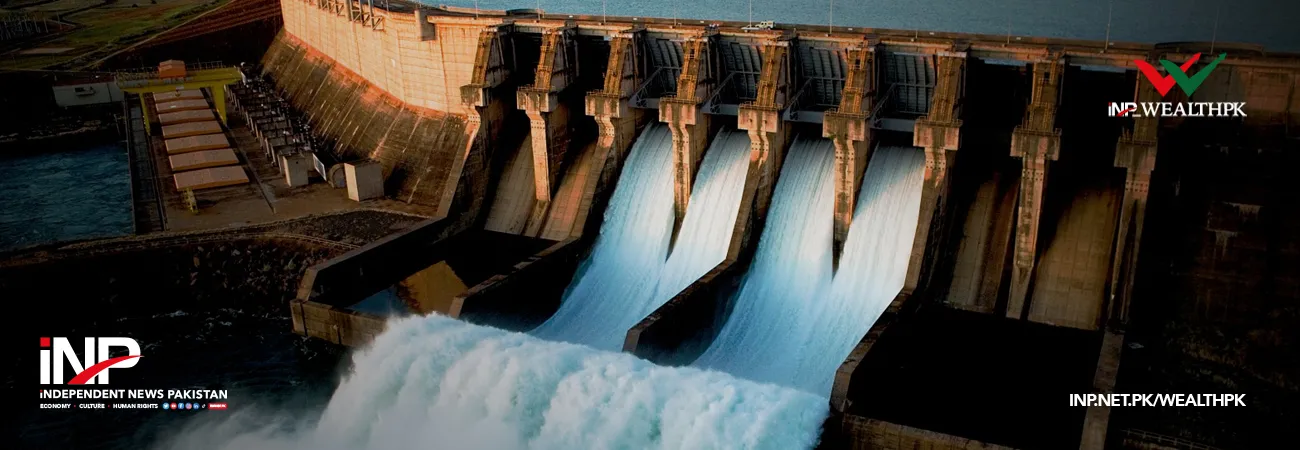
A major initiative planned for the year is a study to identify and rank potential sites for pumped-storage hydropower projects, which are expected to support energy storage, grid stability, and renewable energy integration.
The government will also continue efforts to ensure a reliable electricity supply to Special Economic Zones (SEZs) to support industrial growth.
A major thrust of CPEC 2.0 will be digital transformation. The government plans to roll out digital infrastructure projects, advance artificial intelligence initiatives, strengthen cybersecurity systems, and move forward on 5G preparations.
Planned measures include expansion of fibre-optic networks in underserved regions, development of Tier-3 data centres, establishment of security operations centres in finance and telecommunications, formulation of AI and data governance regulations, and implementation of a national digital skills program aimed at training more than 100,000 professionals.
Pakistan and China will also deepen cooperation in science and technology through joint laboratories, research centres, STEM education programs and talent exchange initiatives. Planned activities include the expansion of bilateral research projects in artificial intelligence, climate change, agriculture, health and green technologies, while work will continue on the China-Pakistan Knowledge Corridor and the proposed program for 3,000 STEM scholarships at Chinese universities.
In the socio-economic sector, Pakistan and China are expected to advance a new batch of development initiatives focusing on health, housing and education. Discussions under the upcoming fourth Joint Working Group on Socio-Economic Development will also broaden cooperation under the Global Development Initiative, Global Civilization Initiative and South-South Cooperation Fund.
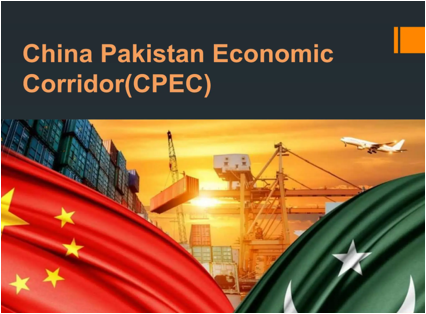
Credit: INP-WealthPk
Related Articles