


INP-WealthPk
Policy gaps, high energy costs limit Pakistan’s textile export competitiveness
May 11, 2026
By Moaaz Manzoor
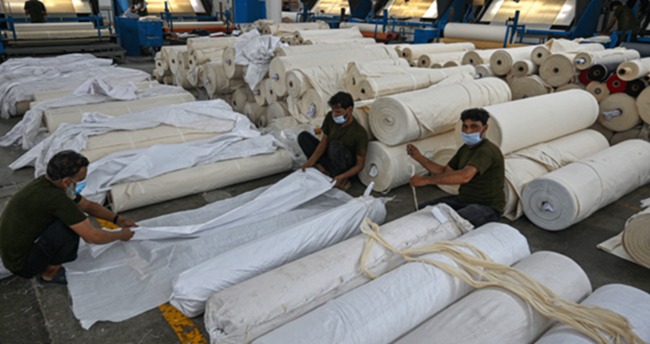
Pakistan’s textile sector continues to face competitiveness challenges due to policy gaps, high energy costs, and structural constraints, as per the Pakistan Textile Council’s monthly export analysis report available with Wealth Pakistan. The report highlights that although the textile and apparel sector contributed $13.58 billion during July–March FY26 and maintained its dominant share of around 60% in total exports, growth momentum remained constrained due to cost pressures and policy-related issues.
A key challenge is the high energy cost, which affects production competitiveness in international markets. The report emphasizes the need for regionally competitive energy pricing, particularly for electricity and gas, to support export-oriented industries. In addition to energy costs, the tax structure has also been highlighted as a critical factor affecting export performance. The report points to the need for rationalization of tax rates and restoration of supportive tax regimes for exporters to improve cost efficiency and encourage higher export volumes.
Access to affordable financing remains another area of concern. The report notes that exporters require enhanced access to concessional financing schemes to manage operational costs, invest in modernization, and meet compliance requirements in international markets. Liquidity constraints have also been identified as a challenge, with delays in refunds and working capital availability impacting exporters’ ability to sustain production and meet export orders efficiently.
The report further emphasizes the importance of policy stability, recommending a predictable long-term framework to support investment and planning within the textile sector. It highlights that consistent and transparent policies are essential for maintaining investor confidence and ensuring sustainable export growth. Labor cost alignment and regulatory adjustments have also been identified as areas requiring attention to maintain competitiveness with regional exporters.
The data indicates that while value-added segments have shown resilience, the overall export performance continues to be influenced by cost structures and policy-related constraints. The report underscores that addressing these structural challenges through targeted policy interventions will be essential to enhance Pakistan’s competitiveness in global textile markets and support sustained growth in export earnings.
Credit: INP-WealthPk
Related Articles