


INP-WealthPk

Weekly inflation falls 0.33% in April’s third week on food, fuel price drop
May 11, 2026
By Moaaz Manzoor
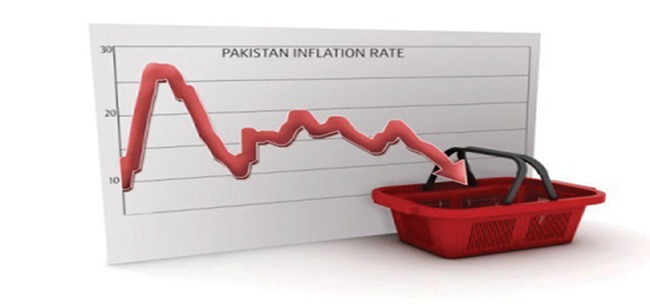
Pakistan’s weekly inflation, measured through the Sensitive Price Indicator (SPI), decreased by 0.33% during the third week of April 2026, mainly driven by a sharp decline in key food and energy prices, according to data released by the Pakistan Bureau of Statistics. The SPI, which tracks price movements of 51 essential commodities across 50 markets in 17 cities, provides a short-term view of inflation trends in the country.
The weekly decline was led by a significant drop in tomato prices, which fell by 27.65%, followed by onions (9.35%), diesel (8.35%), LPG (7.08%), garlic (4.27%), bananas (0.47%), wheat flour (0.37%), sugar (0.36%), and mustard oil (0.22%). However, the easing trend was partially offset by increases in several essential items. Potatoes recorded the highest increase of 3.13%, followed by bread (0.91%), washing soap (0.85%), cooking oil (0.69%), long cloth (0.65%), eggs (0.61%), mutton (0.45%), chicken (0.44%), vegetable ghee (0.30%), and pulse masoor (0.27%).
During the week under review, out of the 51 items in the SPI basket, prices of 19 items (37.25%) increased, 9 items (17.65%) decreased, while 23 items (45.10%) remained unchanged, indicating a mixed but slightly easing price environment. On a year-on-year basis, inflation remained elevated, with the SPI rising by 13.98% compared to the same week last year.
Major increases were recorded in electricity charges for Q1 (54.02%), LPG (50.68%), petrol (44.10%), diesel (36.76%), wheat flour (36.06%), onions (31.89%), and tomatoes (23.46%). Conversely, several commodities were cheaper than a year ago. Potatoes recorded a sharp decline of 47.38%, followed by pulse gram (19.92%), salt powder (13.22%), sugar (11.74%), and pulse masoor (11.47%), reflecting selective corrections in food prices.
Inflation trends across consumption groups showed a broad-based weekly decline. The SPI decreased by 0.41% for the lowest income group (Q1), 0.36% for Q2, 0.31% for Q3, 0.30% for Q4, and 0.34% for the highest income group (Q5), indicating that the easing in prices was experienced across all income segments. On a yearly basis, however, inflationary pressures remained widespread, with increases of 11.38% for Q1, 14.16% for Q2, 12.47% for Q3, 12.28% for Q4, and 13.45% for Q5, highlighting the persistence of cost pressures across the consumption spectrum.
A broader trend analysis shows that while weekly inflation has eased in recent weeks, the overall SPI trajectory remains elevated compared to earlier months, reflecting continued volatility in food and energy prices. Data trends indicate that inflation had accelerated through March and early April before showing signs of moderation in the latest week.
Overall, the latest SPI reading suggests a temporary easing in short-term inflationary pressures, primarily driven by declines in perishable food items and fuel prices. However, persistently high year-on-year inflation indicates that underlying price pressures remain intact, keeping the broader inflation outlook uncertain in the near term.
Credit: INP-WealthPk
Related Articles