




INP-WealthPk
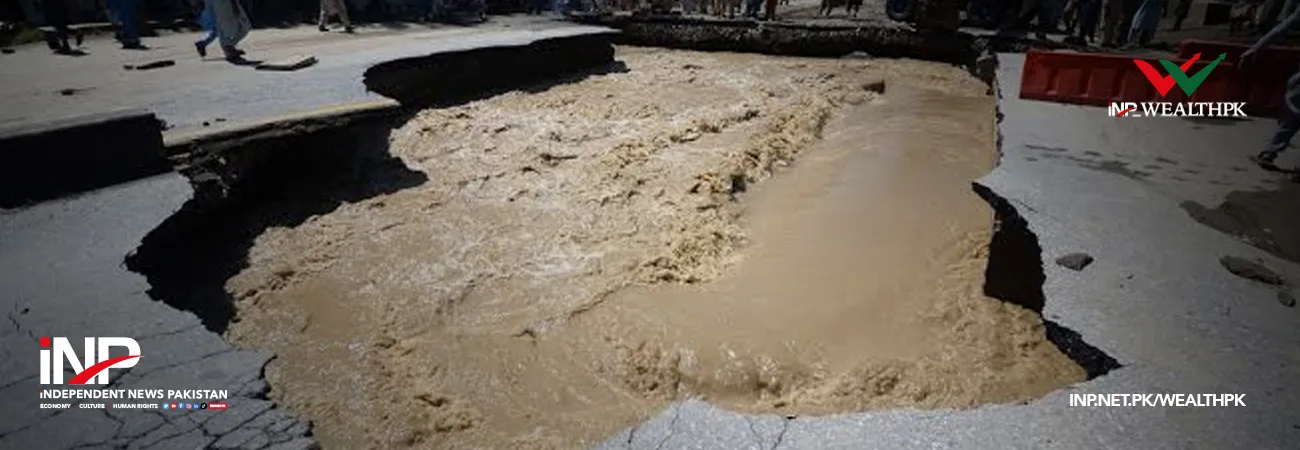
Sindh rehabilitates 141 flood-hit roads across 19 districts
July 13, 2026
By Abdul Ghani
Sindh has completed the rehabilitation of 141 flood-hit farm-to-market roads spanning 848.7 kilometres across 19 districts under the Sindh Flood Emergency Rehabilitation Project, according to official documents available with Wealth Pakistan.
The completed road works are part of Component 1: Infrastructure Rehabilitation of the project, aimed at restoring mobility, market access and rural connectivity in areas devastated by floods. The documents show that the road package has been marked “Completed”, with all 141 roads rehabilitated against the listed scope.
The rehabilitated roads cover flood-hit districts of Jamshoro, Dadu, Naushahro Feroze, Thatta, Sujawal, Hyderabad, Matiari, Tando Allahyar, Badin, Tharparkar, Sanghar, Mirpurkhas, Shaheed Benazirabad, Larkana, Umerkot, Khairpur, Shikarpur, Kambar Shahdadkot and Sukkur.
The project deadline for this road component was listed as December 2027, but the official status shows the package has already been completed. The rehabilitated roads are expected to benefit around 5 million people, both directly and indirectly, by improving access to farms, markets, schools, health facilities and local commercial centres.
The documents also show wider progress under the Sindh Flood Emergency Rehabilitation Project. So far, 2.420 million people have benefited against the overall target of 5.3 million, while 1.171 million women have benefited against the target of 2.650 million.
In addition, 428,000 households have benefited so far, short of the target of 600,000. The project has also rehabilitated 205 kilometres of embankments to improved designs against a target of 250 kilometres, while 157,000 hectares of land have been restored against a target of 180,000 hectares.
The targets are listed in the documents as being in line with the World Bank Project Appraisal Document, with achievement targets set up to June 2028.
The completion of farm-to-market roads is significant because rural road connectivity is a major bottleneck in post-flood recovery. Damaged roads cut off villages from markets, delay the movement of crops and livestock, raise transport costs and weaken household incomes. Restoring these links can directly support agriculture, small trade and rural employment.

Credit: INP-WealthPk
Related Articles


