




INP-WealthPk

Gulf oil crisis sparks electric vehicle boom across Pakistan
May 20, 2026
By Muhammad Luqman
Months-long crude oil supply disruptions in the Persian Gulf and the resulting increase in petrol prices have boosted demand for electric vehicles (EVs), particularly plug-in hybrid electric vehicles (PHEVs), in Pakistan, according to stakeholders in the automobile industry.
“With petrol and diesel prices crossing Rs400 per liter, the running costs have become a major factor in vehicle purchase decisions,” said Syed Asif Ahmed, Director of Sales and Marketing at Chery Master Pakistan.
Talking to Wealth Pakistan, he said PHEVs are gaining particular relevance because they offer a practical middle path for Pakistani motorists.
“Consumers can use electric power for daily urban driving while retaining petrol backup for longer routes, where charging infrastructure remains limited,” Asif said.
He added that the current situation has made PHEVs better suited to Pakistan’s market conditions than fully electric vehicles, especially in the SUV and family vehicle segments.
Discussing the two-wheeler segment, Asif said several local players have entered the electric bike market, while rising fuel prices have created a visible demand among daily commuters.
Pakistan’s EV manufacturing sector is expanding, with more than 30 companies — ranging from domestic two-wheeler startups to large-scale joint ventures with Chinese automakers — granted manufacturing and assembly licenses by the Engineering Development Board (EDB).
Around 40,000 electric motorbikes were sold in Pakistan in April alone.
“However, in four-wheelers, the market is still at an early stage. Some companies have introduced EVs and PHEVs, while new assembly capacity is being planned,” said marketing director of the Chery Master Pakistan.
He stressed that localization of batteries, motors, and charging equipment — along with improvements in after-sales services, financing, and charging infrastructure — is essential to accelerate EV production and adoption in Pakistan.
Syed Asif Ahmed said consistent government policies could become an important driver of EV and new energy vehicle demand in Pakistan.
“Lower duties, tax incentives, cheaper charging tariffs, and support for local assembly can all influence consumer pricing and market adoption,” he suggested.
He noted that Pakistan’s automobile sector is highly policy-sensitive.
“When the government provides a clear direction, investors become more confident, companies plan new products, and consumers begin to consider alternative mobility options more seriously,” he said.
Automobile industry experts believe electric vehicles remain too expensive for most Pakistanis given the country’s current purchasing power.
“There is a need to market low-priced vehicles to promote the use of non-fossil fuel-powered transport in this part of the world,” said Almas Hyder, former chairman of the Engineering Development Board (EDB).
Speaking to Wealth Pakistan, he said the federal and provincial governments could significantly boost EV adoption by offering subsidies ranging from 10% to 20% of the total vehicle price.
Almas Hyder added that if incentives are provided to both motorists and the automobile sector, companies would invest more aggressively. At the same time, banks would also have greater opportunities to expand automobile financing.
“At present, the share of four-wheeler EVs in the Pakistani market is negligible. Total annual car sales in Pakistan stand at around 250,000 units, but EV sales have not exceeded 4,000 units,” he said.
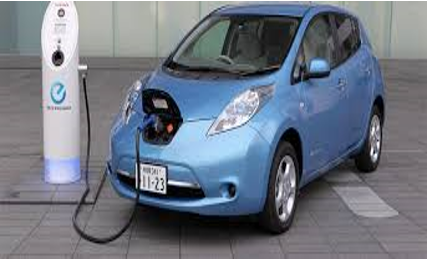
Credit: INP-WealthPk
Related Articles