




INP-WealthPk

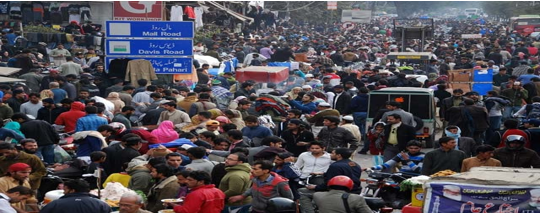
Pakistan's population reaches 252m in FY2025-26
June 12, 2026
By Qudsia Bano
Pakistan's population reached approximately 252 million in FY2025-26, reinforcing the country's position as the world's fifth most populous nation and highlighting the growing demand for jobs, education, healthcare, housing and infrastructure, according to the Pakistan Economic Survey 2025-26 released by the Ministry of Finance.
The survey notes that rapid population growth continues to shape Pakistan's economic and social development landscape, creating both opportunities and challenges for policymakers.
According to the survey, the country's population expanded to around 252 million during FY2025-26, reflecting sustained demographic growth over recent decades. The expanding population has significant implications for economic planning, public service delivery and resource management.
The Ministry of Finance notes that Pakistan's demographic profile remains relatively young, with a large proportion of the population comprising children and working-age individuals. This demographic structure offers the potential for a demographic dividend if accompanied by adequate investments in education, skills development, healthcare and employment generation.
The survey highlights that population growth continues to increase demand for educational services across the country. Despite progress in reducing the proportion of out-of-school children from 38% to 28% and improving literacy to 63%, the education sector faces mounting pressure from the growing number of school-age children.
According to the report, expanding educational infrastructure and improving learning outcomes remain critical priorities for meeting future demand.
Healthcare services are similarly affected by demographic expansion. The survey notes that rising population levels require continued investment in hospitals, primary healthcare facilities, disease prevention programmes and medical personnel to ensure adequate service delivery.
The report also points to growing pressure on housing and urban infrastructure. Rapid population growth and urbanization have increased demand for residential housing, transport systems, water supply, sanitation facilities and municipal services.
According to the survey, the construction sector grew by 5.73% during FY2025-26, partly reflecting the need for additional housing and infrastructure to accommodate population growth and economic expansion.
Employment generation remains another major challenge associated with demographic growth. Every year, a large number of young people enter the labour market, increasing the need for sustained economic growth and job creation.
The survey notes that while Pakistan's economy grew by 3.7% during FY2025-26 and private investment increased by 12.8%, unemployment stood at 7.1%, highlighting the need for stronger employment-generating growth.
According to the Ministry of Finance, improving human capital remains essential for transforming demographic growth into an economic advantage. Investments in education, vocational training and digital skills are increasingly important for enhancing workforce productivity and competitiveness.
The survey highlights several initiatives aimed at strengthening human capital development. Literacy improved to 63%, while digital skills programmes such as DigiSkills continued expanding training opportunities for young people seeking employment in the digital economy.
The report notes that population growth also influences food security requirements. Rising demand for food places increasing pressure on the agriculture sector to enhance productivity and ensure stable supplies of essential commodities.
Agriculture grew by 2.89% during FY2025-26 despite flood-related disruptions, helping support food availability for the expanding population.
According to the survey, population growth has broader implications for energy demand, transportation networks and environmental sustainability. As economic activity and living standards improve, demand for electricity, fuel, water and public services is expected to continue increasing.
The Ministry of Finance notes that long-term development planning must account for demographic trends to ensure that economic growth translates into improved living standards and sustainable development outcomes.
The survey further highlights the importance of balanced regional development, as population growth is often accompanied by migration from rural areas to urban centres, increasing pressure on major cities.
Credit: INP-WealthPk