




INP-WealthPk

Pro-poor spending reaches Rs4.66tr in July-March FY2025-26
June 12, 2026
By Qudsia Bano
Pakistan's expenditure on poverty reduction and social welfare programmes reached Rs4.66 trillion during July-March FY2025-26, reflecting the government's continued focus on protecting vulnerable segments of society and improving access to essential public services, according to the Pakistan Economic Survey 2025-26 released by the Ministry of Finance.
The survey highlights pro-poor spending as a key component of the government's development strategy, aimed at reducing socio-economic disparities, strengthening human capital and improving living standards across the country.
According to the survey, total expenditures under poverty-reducing programmes reached Rs4.66 trillion during July-March FY2025-26. Spending increased across several priority areas, including social security and welfare, disaster response, roads and bridges, environment, water supply and sanitation, education and health.
The Ministry of Finance notes that these expenditures are intended to improve access to basic services while supporting low-income households facing economic challenges arising from inflation, climate-related pressures and broader economic adjustments.
The survey indicates that social protection remained a major focus area during the fiscal year. Various programmes continued to provide financial assistance and support services to vulnerable households across the country.
Among the most significant interventions was the Benazir Income Support Programme, which remained the country's flagship cash transfer initiative. The programme continued supporting low-income households through unconditional and conditional cash transfers, education support, nutrition programmes and digital payment reforms.
According to the survey, BISP plays an important role in poverty alleviation by supporting poor households, particularly women and vulnerable communities.
The report notes that spending on education constituted an important component of pro-poor expenditures. Investments in school infrastructure, teacher development, learning materials and educational programmes aimed to improve access to education and strengthen human capital development.
The fiscal year also witnessed progress in educational indicators. The national literacy rate improved from 61% in 2022-23 to 63% in 2024-25, while the proportion of out-of-school children declined from 38% in 2023 to 28% in 2025.
Healthcare spending also formed a significant component of poverty-related expenditures. According to the survey, investments focused on improving access to healthcare services, strengthening public health systems and expanding service delivery.
The report highlights the importance of health spending in improving quality of life and supporting productivity, particularly among low-income households that often face barriers to accessing healthcare services.
Housing, community development and infrastructure programmes also received support under the government's poverty reduction strategy. These initiatives focused on improving living conditions, expanding access to essential services and supporting community welfare projects.
The survey notes that investments in infrastructure and public services can contribute to poverty reduction by improving access to markets, education, healthcare and economic opportunities.
Food security and livelihood support programmes remained another important area of intervention. According to the report, targeted assistance programmes continued to support vulnerable populations and help improve resilience against economic shocks.
The survey highlights that poverty reduction efforts remained particularly important as households continued to face the effects of inflationary pressures, climate-related shocks and economic adjustment measures.
According to the Ministry of Finance, poverty reduction requires a multidimensional approach that combines economic growth with investments in education, healthcare, social protection and employment generation.
The survey notes that economic growth alone may not immediately translate into improved living standards for all segments of society, making targeted interventions necessary to ensure broader inclusion and social protection.
Pakistan's economy recorded growth of 2.68% during FY2025-26, while several social indicators showed improvement. However, the survey notes that poverty and vulnerability remain important challenges, highlighting the continued need for effective social spending and development programmes.
The report emphasizes that strengthening human capital and expanding access to basic services remain essential for achieving sustainable and inclusive growth. According to the survey, continued investment in social protection, education, healthcare and community development will remain critical for improving living standards and reducing poverty across the country.
With pro-poor expenditures reaching Rs4.66 trillion during July-March FY2025-26, social sector spending remained a key pillar of the government's strategy to support vulnerable populations and promote inclusive economic development.
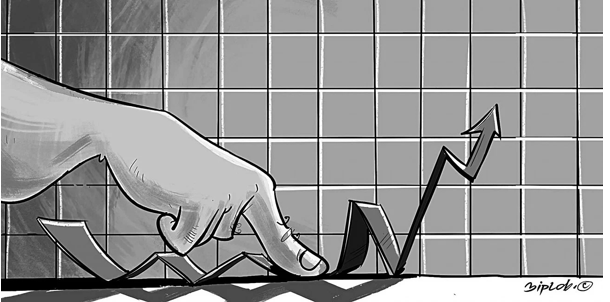
Credit: INP-WealthPk