




INP-WealthPk

Poverty rate rises to 28.9pc in FY2025-26
June 12, 2026
By Moaaz Manzoor
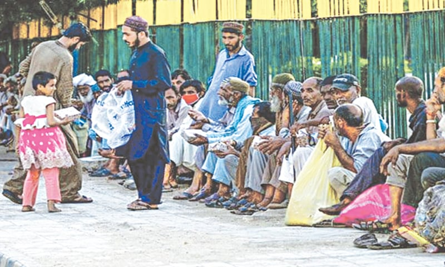
Pakistan's poverty rate increased to 28.9% in FY2025-26, highlighting the continued impact of economic shocks, inflationary pressures, climate-related disasters and population growth on household welfare, according to the Pakistan Economic Survey 2025-26 released by the Ministry of Finance.
The survey notes that despite improvements in macroeconomic stability and economic growth, a significant segment of the population continues to face economic vulnerability, underscoring the importance of targeted social protection and inclusive development policies.
According to the survey, poverty remains one of Pakistan's most pressing socio-economic challenges, particularly in rural areas and regions affected by natural disasters, infrastructure gaps and limited access to economic opportunities.
The report indicates that the rise in poverty occurred against a backdrop of multiple economic and environmental shocks experienced in recent years. These included inflationary pressures, exchange rate adjustments, global commodity price volatility and recurring climate-related events that affected livelihoods and household incomes.
The survey highlights that the devastating floods of 2025 caused widespread damage across various parts of the country, affecting homes, agricultural land, infrastructure and sources of income. The economic impact of these disasters was particularly severe for low-income households dependent on agriculture and informal economic activities.
According to the survey, Pakistan's population reached approximately 252.09 million during FY2025-26, increasing pressure on employment, education, healthcare and social protection systems. Rapid population growth continues to influence poverty dynamics by increasing demand for public services and economic opportunities.
The Ministry of Finance notes that while the economy recorded growth of 3.7% during FY2025-26, the benefits of economic expansion take time to translate into broader-based improvements in living standards, particularly for vulnerable groups.
The survey points out that the government continued implementing various social protection programmes aimed at supporting low-income households and mitigating the impact of economic hardship.
One of the largest interventions remained the Benazir Income Support Programme (BISP), which continued providing financial assistance to vulnerable families across the country. The programme has become a key component of Pakistan's social safety net framework.
According to the survey, total pro-poor expenditures reached Rs4.66 trillion during July-March FY2025-26 under the government's poverty reduction strategy. These expenditures covered a wide range of sectors, including education, health, social protection, housing, food security and community development.
The survey notes that spending on social sectors is intended to improve human development indicators while helping vulnerable populations cope with economic challenges.
Pakistan also continued efforts to expand financial inclusion and digital payment systems, enabling more efficient delivery of social assistance and financial services to underserved populations.
The report highlights that improvements in education and skills development remain important components of long-term poverty reduction efforts. During FY2025-26, the proportion of out-of-school children declined significantly, while literacy rates improved, contributing to human capital development.
Similarly, vocational training and digital skills programmes sought to enhance employability and income-generating opportunities for young people entering the labour market.
The survey notes that employment remains a critical factor influencing poverty outcomes. Expanding economic opportunities through investment, industrial growth and entrepreneurship is viewed as essential for achieving sustained reductions in poverty levels.
According to the Ministry of Finance, maintaining macroeconomic stability remains a prerequisite for improving living standards and supporting inclusive economic growth. Fiscal consolidation, inflation management, investment promotion and job creation are among the key policy priorities aimed at strengthening household welfare.
The survey also points to the growing importance of climate resilience in poverty reduction efforts. Climate-related disasters disproportionately affect vulnerable communities and can reverse development gains by destroying livelihoods and productive assets.
While the increase in poverty presents a significant challenge, the report highlights ongoing government efforts to strengthen social protection systems, expand access to essential services and create conditions for more inclusive economic growth.
The survey notes that sustained economic growth, improved human capital, stronger social safety nets and greater economic opportunities will remain critical for reducing poverty and improving living standards across the country in the years ahead.
Credit: INP-WealthPk