


INP-WealthPk
Donkey sector may help Pakistan generate $150m annually
April 23, 2026
By Azeem Ahmed Khan
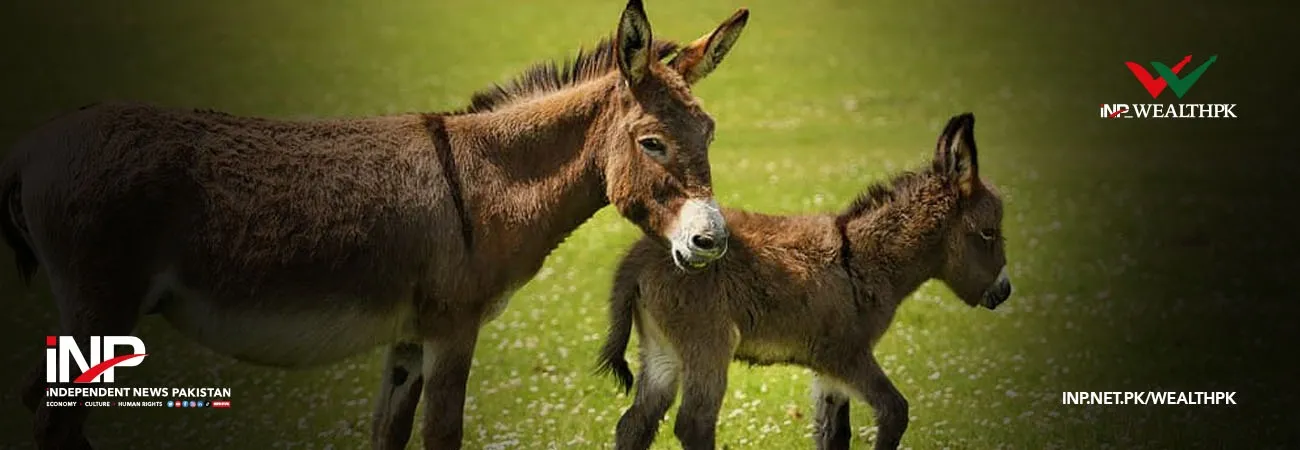
Pakistan’s donkey population, now exceeding 6 million, is emerging as a valuable economic asset with the potential to boost rural incomes, create jobs, and support a modern livestock value chain.
“The donkey is no longer just a beast of burden; it is a strategic economic asset,” Dr. Ihtesham Ul Haq, Assistant Professor at the Institute of Biotechnology and Genetic Engineering, University of Agriculture, Peshawar, told Wealth Pakistan.
He said the recent policy developments, including the lifting of export restrictions and the signing of bilateral agreements, have opened a multi-billion-dollar opportunity.
“We are now seeing a new trade corridor becoming operational,” he noted, adding that the sector is shifting from subsistence use to a more structured commercial model.
A major step in this transition is the launch of Hangeng Trade Company (SMC Pvt.) Ltd’s seven-million-dollar slaughterhouse in Gwadar. The facility is expected to export around 50 containers of donkey meat to China each month, reflecting rising international demand and improved market access for local farmers.
Globally, the demand for donkey hides – used in Ejiao, a traditional Chinese medicine – along with emerging markets for donkey meat and milk, is creating new economic prospects for rural households that have long relied on donkeys mainly for labor.
Dr. Ihtesham’s research suggests that modernization could significantly boost returns, raising the value per animal from about $150 to over $600 while increasing rural household incomes by 200–300%. The sector also has the potential to generate more than 75,000 direct and indirect jobs across farming, processing, and logistics, and eventually earn $100–150 million annually in foreign exchange.
According to data from the Pakistan Bureau of Statistics, the country’s donkey population reached 6.047 million in 2025 and continues to grow steadily, driven by the rising global demand and improved breeding awareness. Punjab accounts for nearly half of the population, followed by Sindh (22%), Khyber Pakhtunkhwa (16%), and Balochistan (13%), providing a broad base for sectoral expansion.
Pakistan also possesses valuable indigenous breeds that offer a competitive edge.
“The Shinghari breed is known for its strength and disease resistance, while the Sperki breed remains an important genetic resource.”
Dr. Ihtesham stressed the need to preserve and improve these breeds through biotechnology to ensure long-term competitiveness in the global market.
To support sustainable growth and address concerns such as illegal slaughter, he proposed a three-pronged strategy: empowering small farmers through guaranteed buy-back agreements, establishing model farms to promote best practices in animal welfare and productivity, and introducing a self-regulatory framework to ensure responsible private investment.
Dr. Ihtesham also underscored the importance of a coordinated approach involving the government, private sector, and academia to unlock the sector’s full potential and position it as a high-value, welfare-oriented global industry.
With the China-Gwadar-Africa trade route becoming operational and policy clarity improving, Pakistan’s donkey sector is poised to play a growing role in strengthening agricultural exports and rural development, he concluded.
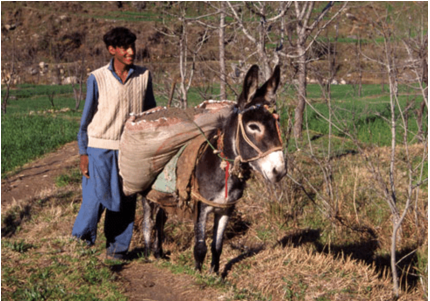
Credit: INP-WealthPk
Related Articles