


INP-WealthPk
Pakistan’s shipbreaking sector loses global share amid declining activity
April 20, 2026
By Moaaz Manzoor
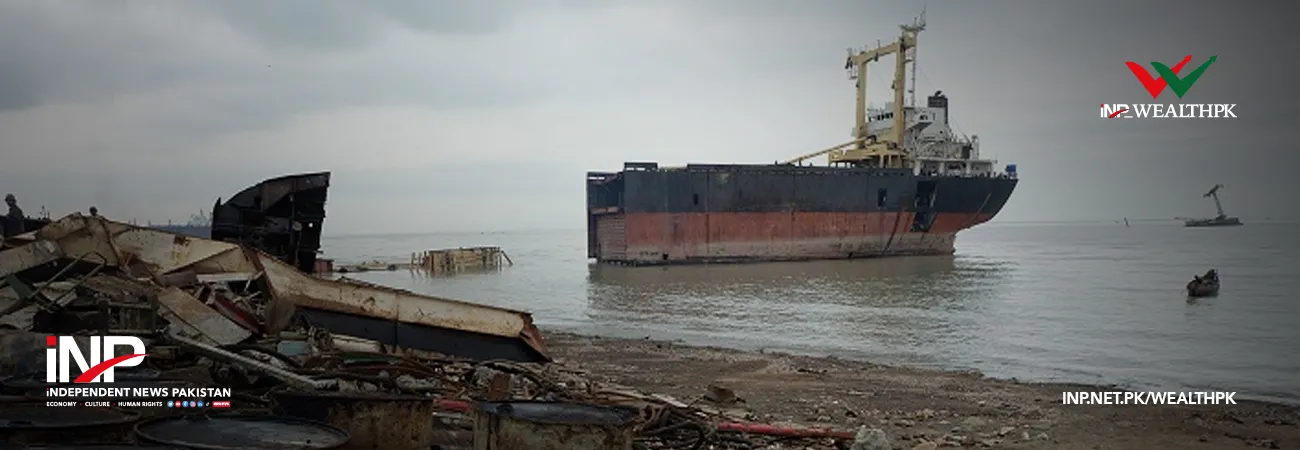
Pakistan’s shipbreaking industry has experienced a sharp decline in global market share, reflecting reduced activity levels and increasing competition from other countries.
According to the “Blue Economy under URAAN Pakistan 2026” report prepared by the Planning Commission, Pakistan’s share in global shipbreaking fell from around 16.6% in 2022 to approximately 4% in 2025.
The report notes that only 12 out of 321 ships dismantled globally in 2025 were processed at Gadani, Pakistan’s main shipbreaking yard, highlighting the significant drop in activity.
This decline has been attributed to multiple factors, including regulatory challenges, limited compliance with international standards, and competition from countries such as Bangladesh and India, which have expanded their shipbreaking capacity.
The document highlights that compliance with the Hong Kong International Convention for the Safe and Environmentally Sound Recycling of Ships remains at an early stage in Pakistan. The first certified yard under the convention was achieved only in early 2026.
In contrast, competing countries have made faster progress in meeting international environmental and safety standards, allowing them to attract a larger share of global ship recycling business.
The report also points to inadequate infrastructure and stalled modernisation as key constraints affecting the competitiveness of Pakistan’s shipbreaking industry.
Despite these challenges, the sector continues to hold potential due to its strategic location and availability of labour. The report indicates that with appropriate policy support and investment, Pakistan could regain a stronger position in the global market.
It emphasises the need for upgrading facilities, improving environmental compliance, and streamlining regulatory processes to attract international clients.
The document further notes that revitalising the shipbreaking industry could stimulate industrial activity, generate employment, and save foreign exchange through the recycling of steel and other recoverable materials.
It concludes that reversing the decline in shipbreaking will require a coordinated approach involving regulatory reforms, infrastructure development, and alignment with international standards.
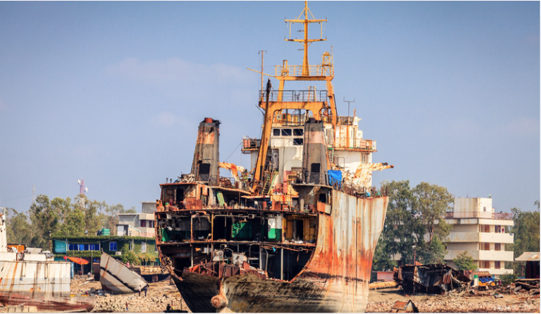
Credit: INP-WealthPk
Related Articles