


INP-WealthPk
Pakistan targets 100,000 hectares aquaculture expansion to boost seafood exports
April 20, 2026
By Ayesha Saba
Pakistan aims to develop 100,000 hectares of aquaculture over the next four to five years to boost seafood exports and reduce pressure on overexploited marine fisheries.
According to the “Blue Economy under URAAN Pakistan 2026” report prepared by the Planning Commission, the proposed expansion would require an estimated investment of $1.3 billion and is projected to generate around $1.5 billion in annual export earnings.
The report outlines a shift from reliance on marine capture fisheries towards a cluster-based aquaculture model, particularly in coastal Sindh, Balochistan, and selected inland areas with suitable ecological conditions.
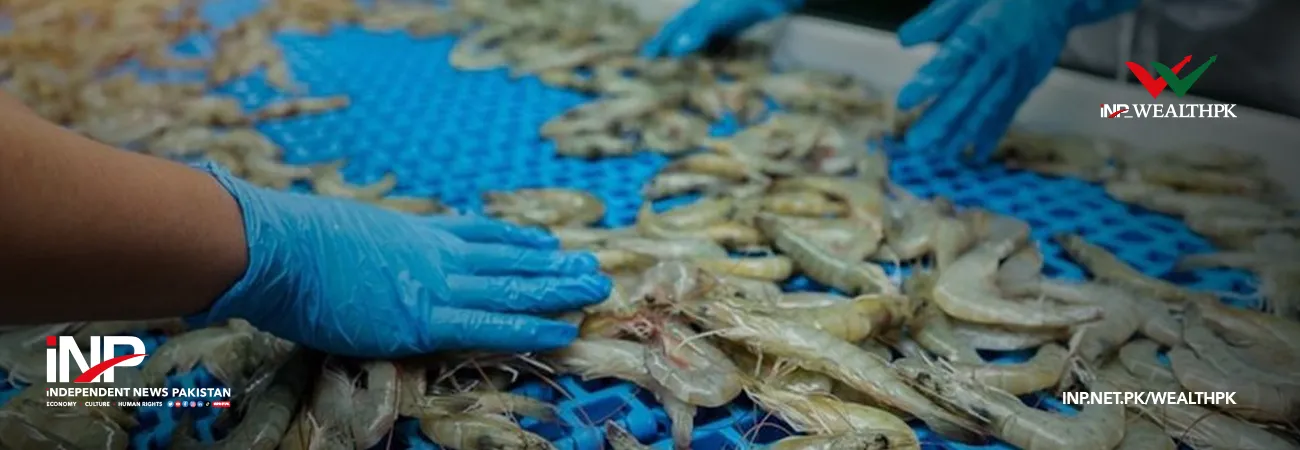
It identifies shrimp farming as the most commercially viable entry point, supported by strong global demand and export orientation, while also highlighting potential for species such as tilapia, pangasius, and carps depending on regional conditions.
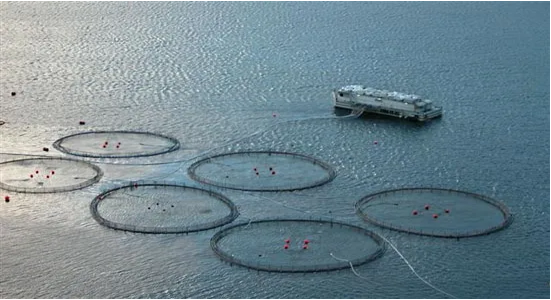
Under the proposed framework, aquaculture development would follow a cluster-based approach, with designated farming zones developed along coastal creeks and estuaries. These clusters would operate as integrated production systems, supported by shared infrastructure including water channels, feed supply, testing facilities, and training and extension services.
The report notes that a typical aquaculture setup can enable multiple production cycles annually, allowing farmers to achieve early returns. Under standard assumptions, farmers could break even within a few production cycles, particularly if initial capital costs are supported through public financing or concessional arrangements.
Beyond export potential, the transition is expected to provide more stable and predictable income streams for coastal communities, reducing dependence on declining marine capture fisheries.
The document highlights that Pakistan’s aquaculture potential remains largely untapped, particularly in the Indus Delta, which offers favourable geographic conditions but lacks supporting infrastructure, investment, and technical awareness.
To address these constraints, it emphasises the need for government support in developing core infrastructure, facilitating access to finance, and promoting modern aquaculture practices, alongside private sector participation to scale operations and strengthen export linkages.
Drawing on international experience, the report cites countries such as Vietnam, where aquaculture has driven significant growth in fish production and exports, as an example of the model’s scalability.
It concludes that the planned expansion of aquaculture represents a key opportunity to enhance export earnings, improve food security, and reduce reliance on overexploited marine resources.
Credit: INP-WealthPk
Related Articles