



INP-WealthPk

Pakistan’s ports lag regional peers in global performance rankings
April 20, 2026
By Ayesha Saba
Pakistan’s ports continue to lag behind regional competitors in global performance rankings, reflecting gaps in efficiency and logistics performance.
According to the “Blue Economy under URAAN Pakistan 2026” report prepared by the Planning Commission, the Port of Karachi ranked 99th in the 2024 Container Port Performance Index (CPPI), while Port Qasim ranked 74th, despite improvement in recent years.
The report notes that Port Qasim has made significant progress, rising from much lower rankings in earlier years and being recognized among the most improved ports globally between 2020 and 2024.
In comparison, regional ports have achieved substantially higher rankings. India’s Jawaharlal Nehru Port ranked 23rd, while Mundra Port stood at 25th in 2024, indicating stronger performance among regional competitors.
Moreover, Gulf ports have also maintained strong positions in global rankings. Ports such as Salalah in Oman and Jebel Ali in the UAE continue to attract high volumes of transshipment traffic due to their advanced infrastructure, efficient operations, and competitive pricing.
The report highlights that ports in the region have demonstrated sustained improvements in efficiency and throughput over time, maintaining stronger positions in global rankings.
It further notes that port dwell times in Pakistan — averaging 8 to 10 days — remain well above regional benchmarks, pointing to underlying inefficiencies in port operations and logistics systems.
These gaps in efficiency and logistics performance have contributed to Pakistan’s relatively weaker standing in global port rankings.
The report also underscores the importance of improving operational efficiency, reducing dwell times, and strengthening logistics integration to enhance competitiveness.
It adds that while some progress has been made, particularly at Port Qasim, Pakistan’s ports continue to trail leading regional hubs.
It concludes that while Pakistan’s ports retain strategic geographic advantages, narrowing the performance gap with regional peers will require sustained improvements in dwell times, logistics integration, rail connectivity and overall operational efficiency.
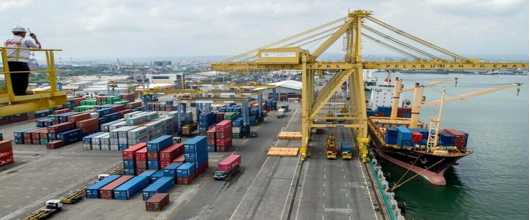
Credit: INP-WealthPk
Related Articles