


INP-WealthPk
Pakistan eyes $4bn economic impact from blue economy by 2030 under URAAN plan
April 20, 2026
By Farooq Awan
Pakistan aims to generate a cumulative economic impact of around $4 billion from its blue economy by 2030 through a combination of export growth and import substitution across key maritime sectors.
According to the “Blue Economy under URAAN Pakistan 2026” report prepared by the Planning Commission, the projected impact includes approximately $1.5 billion in direct export earnings and about $2.5 billion in savings through reduced reliance on foreign shipping, shipbuilding, and related services.
The report presents the blue economy as a strategic component of Pakistan’s broader economic transformation agenda under URAAN Pakistan, which aims to strengthen exports, improve external balance, and enhance long-term growth prospects.
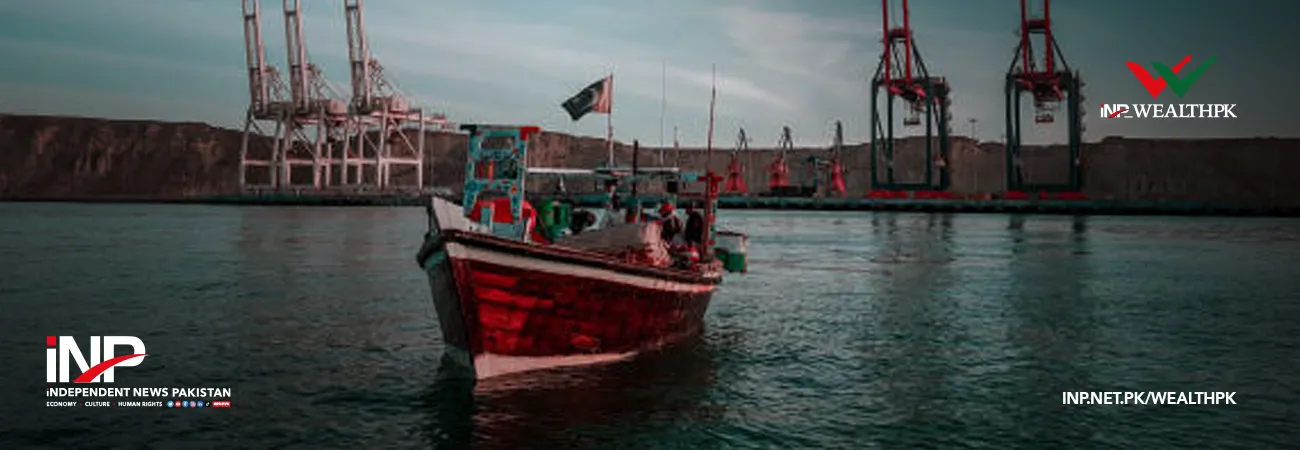
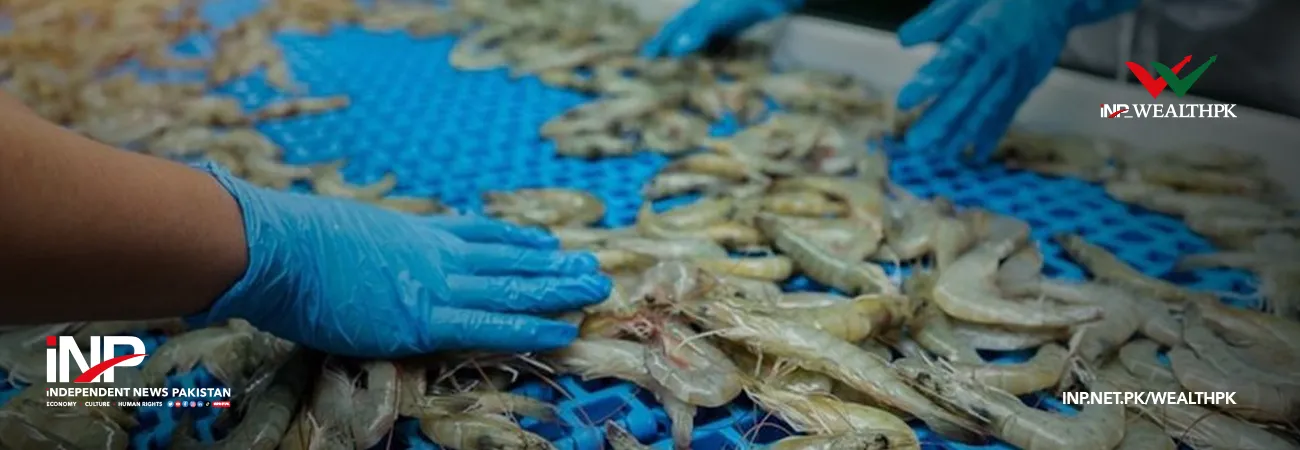
Aquaculture development is identified as the primary driver of export growth. The document outlines plans to expand fish farming activities across coastal and inland regions, shifting the sector away from traditional marine capture fisheries toward more sustainable and commercially viable production systems.
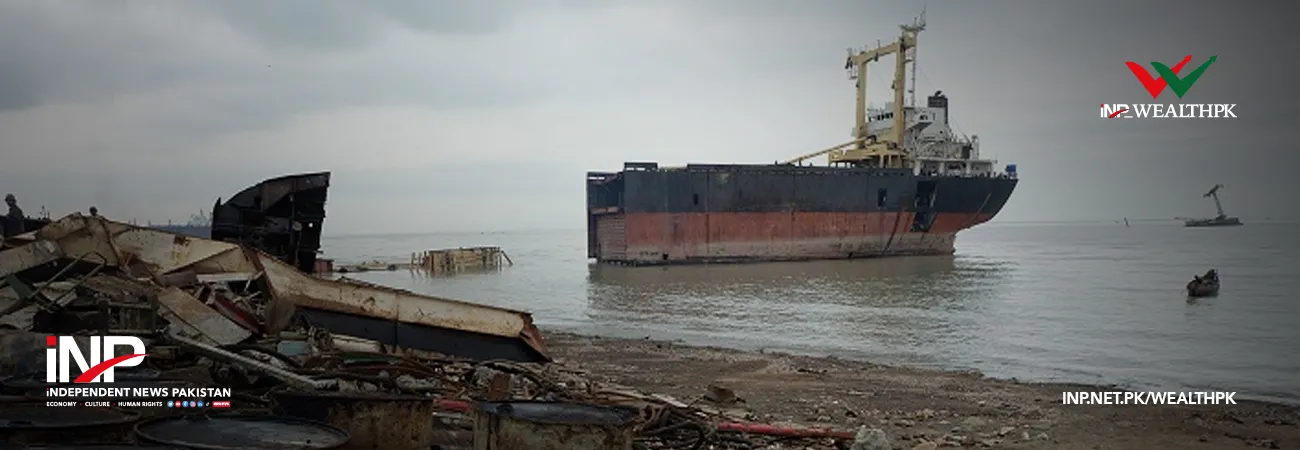
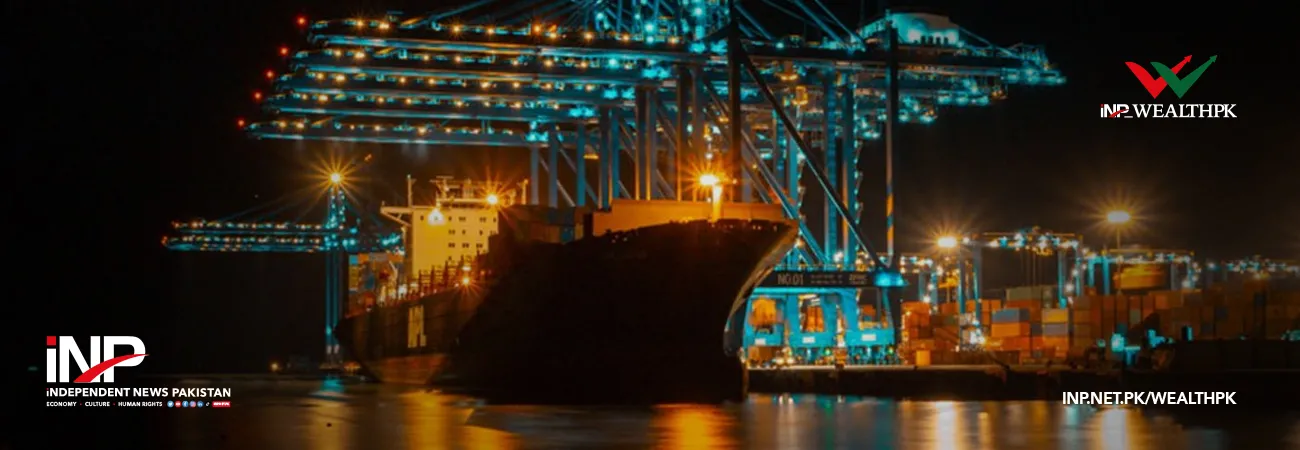
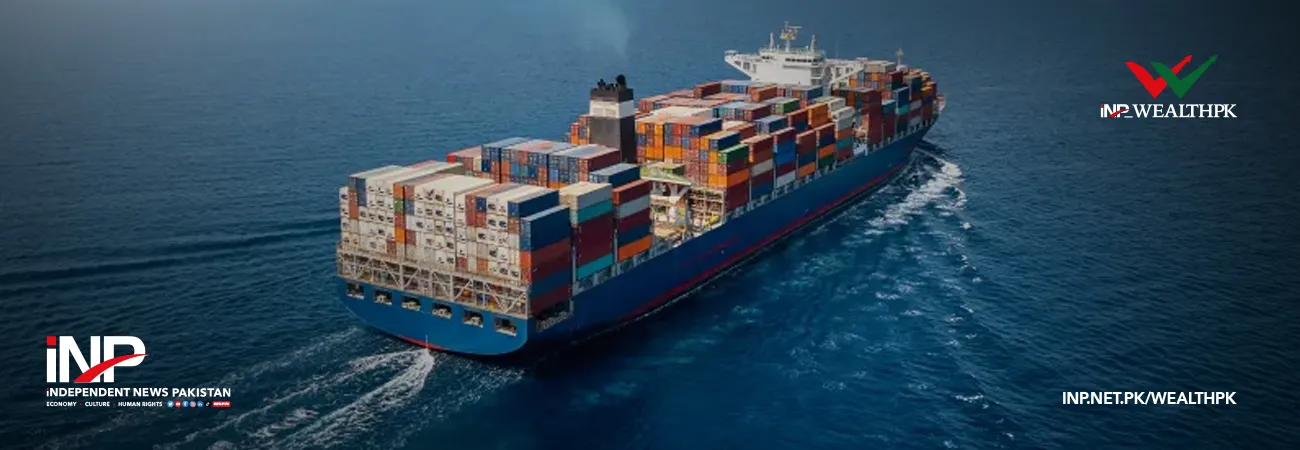
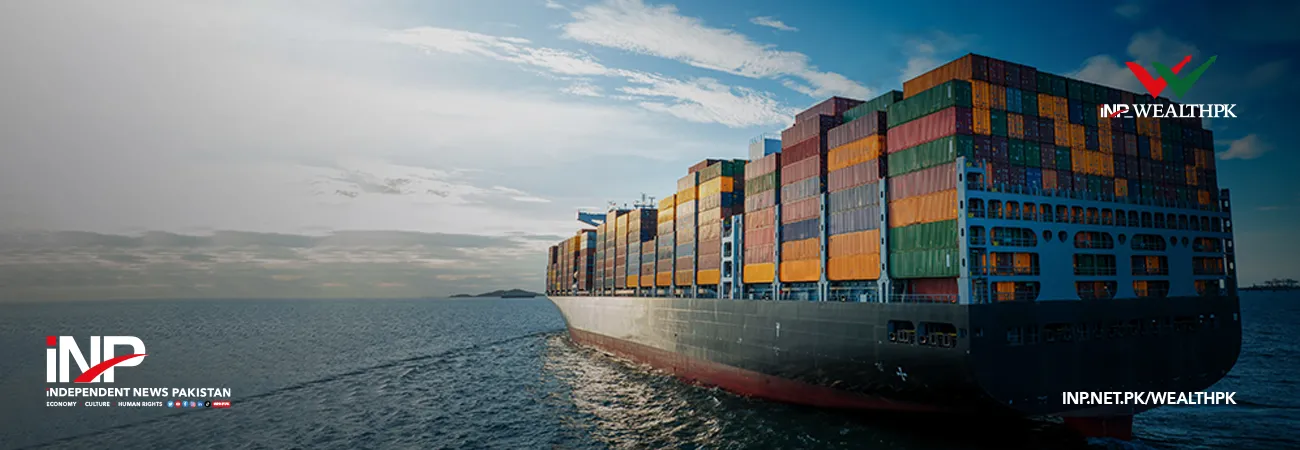
At the same time, import substitution is expected to be driven by efforts to strengthen domestic capacity in shipping, shipbuilding, and shipbreaking industries. Currently, Pakistan relies heavily on foreign vessels for cargo transportation, resulting in substantial outflows of foreign exchange.
The report notes that the country’s shipping sector fulfills only a limited share of national cargo requirements, leaving a large gap that can be addressed through targeted investments and policy support. Similarly, the shipbuilding and shipbreaking industries are seen as underutilised sectors with the potential to contribute to foreign exchange savings and industrial development.
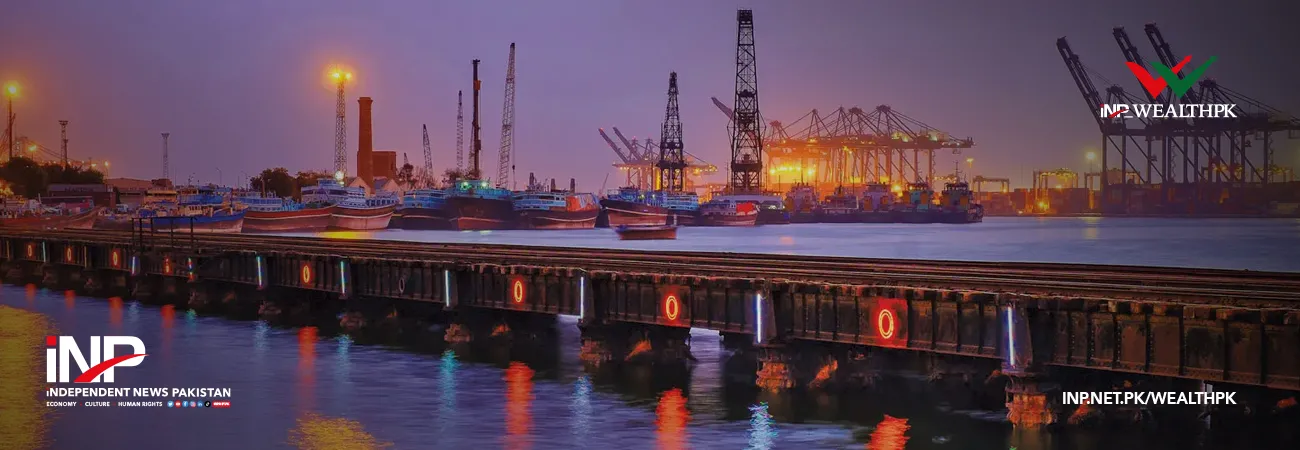
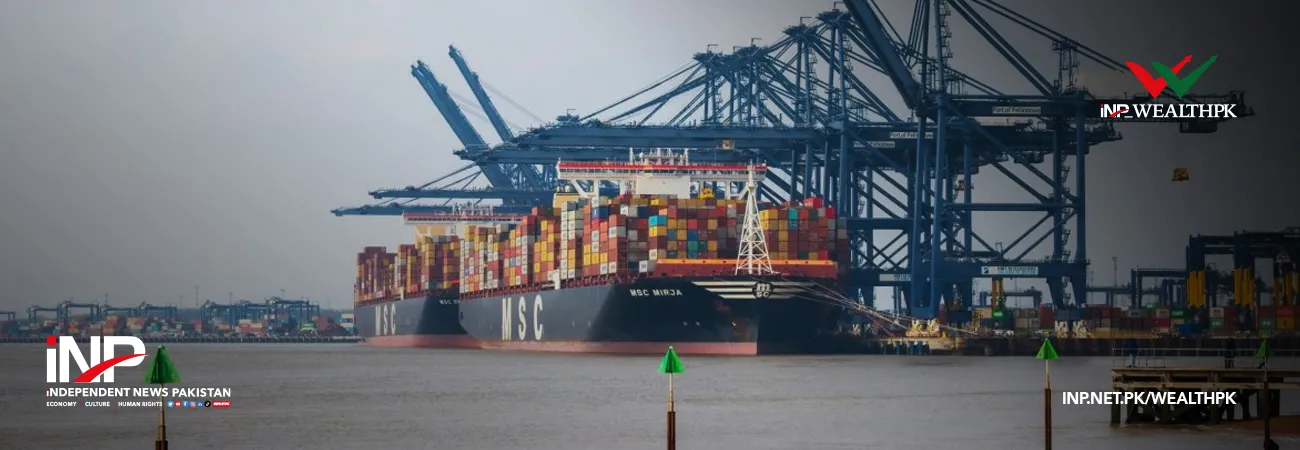
In addition to these sectors, improvements in port efficiency, coastal tourism, and offshore resource development are expected to support broader economic gains, although their contributions are not directly quantified within the overall $4 billion projection.
The document emphasises that achieving these targets will depend on coordinated implementation across federal and provincial levels, along with active participation from the private sector. It highlights the importance of developing enabling infrastructure, strengthening regulatory frameworks, and ensuring policy consistency to attract investment.
The report also underscores that the blue economy can serve as a stabilising factor for Pakistan’s balance of payments by reducing import dependence and increasing export revenues.
It concludes that with appropriate policy support and sustained investment, the maritime sector can evolve into a key pillar of Pakistan’s economic strategy, contributing not only to growth but also to long-term external sector stability.
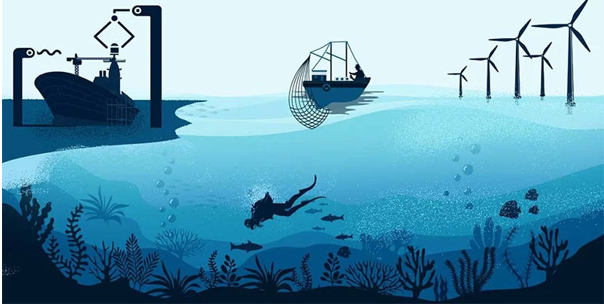
Credit: INP-WealthPk
Related Articles